
Space
NASA Will Continue to Be a Partner Aboard the ISS Through 2030
Bill Nelson made the announcement.

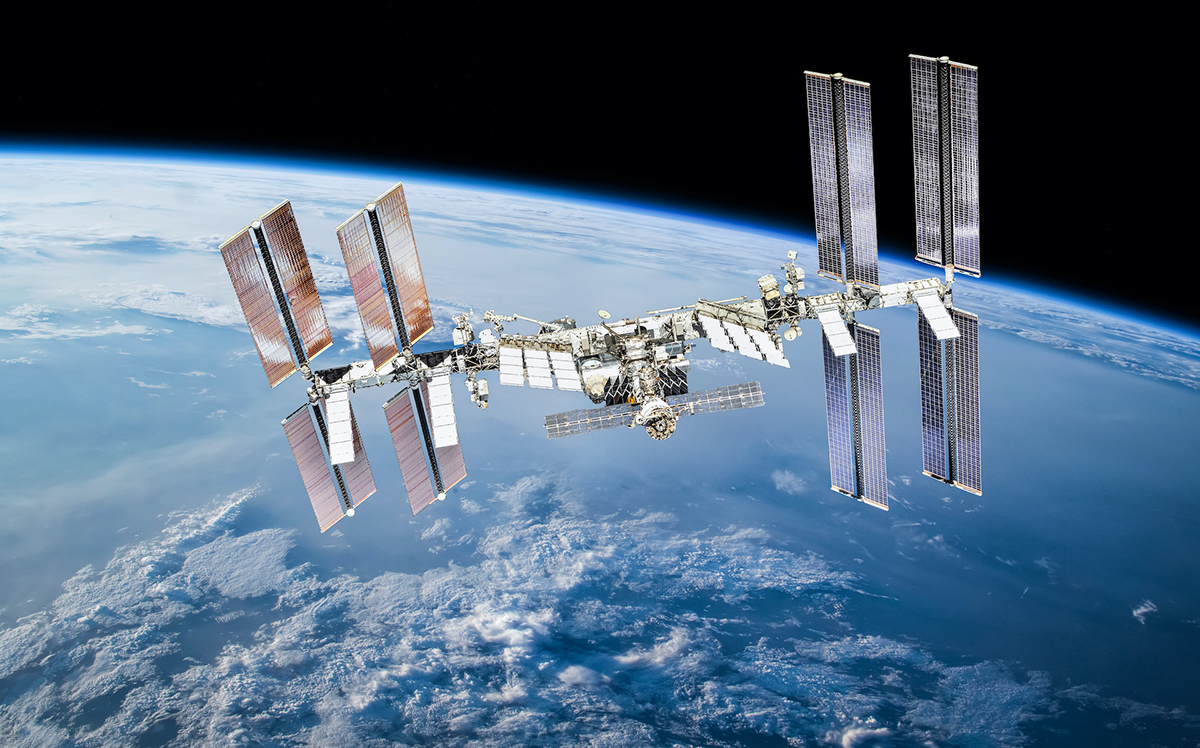
The US President Joe Biden has committed to extend his country’s partnership aboard the International Space Station through 2030, announced NASA.
“The International Space Station is a beacon of peaceful international scientific collaboration and for more than 20 years has returned enormous scientific, educational, and technological developments to benefit humanity,” said NASA Administrator Bill Nelson. “I’m pleased that the Biden-Harris Administration has committed to continuing station operations through 2030.”
The ISS has recently come to the fore after reports about worsening leak problems on the station. Russia decided to pull out from the space station, referring to frequent technical malfunctions. The country is planning to carry out an inspection of the station. “They [partners] should be fairly notified about the withdrawal from the ISS since 2025,” according to TASS citing Deputy Prime Minister Yuri Borisov’s administration.
Lunar space station by Russia and China
Previously, Russia and China unveiled a plan to build a lunar space station, in which various scientific research will be conducted. Russia’s Roscosmos and China National Space Administration intend to construct the International Scientific Lunar Station on the surface of the Moon or in lunar orbit.
NASA’s announcement to extend the ISS operations
The decision to extend the ISS operations comes after NASA awarded Blue Origin, Northrop Grumman, and Nanoracks to develop private space stations.
“Extending operations through 2030 will continue another productive decade of research advancement and enable a seamless transition of capabilities in low-Earth orbit to one or more commercially owned and operated destinations in the late 2020s,” NASA’s statement reads. “The decision to extend operations and NASA’s recent awards to develop commercial space stations together ensure uninterrupted, continuous human presence and capabilities; both are critical facets of NASA’s International Space Station transition plan.”
The space-based laboratory operating some 250 miles above Earth’s surface is supported by the European Space Agency, Japan Aerospace Exploration Agency, Canadian Space Agency, Russia’s Roscosmos, and NASA.

Mariana Trench: 8 Fascinating Facts About the Earth’s Deepest Place
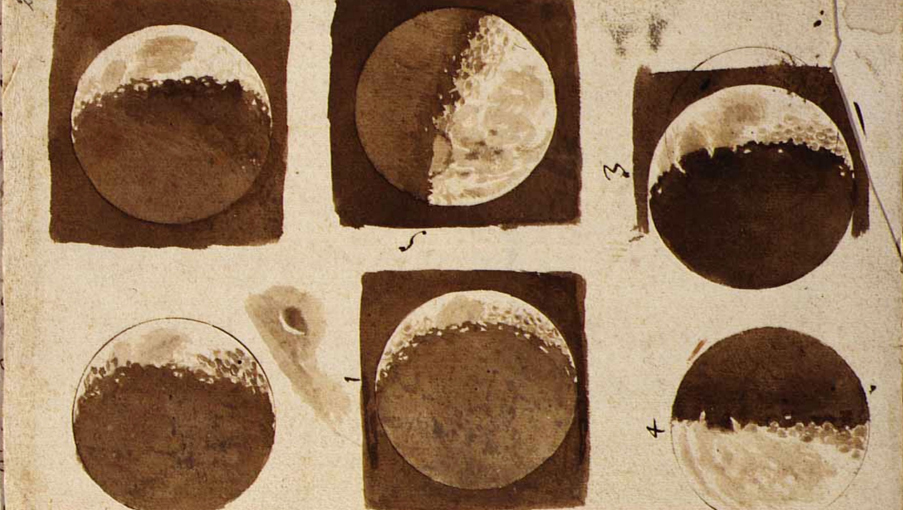
10 most famous scientists who contributed to astronomy and space

Top 25 extremely stunning photos of Northern Lights of 2020 revealed

Meteorite makes Indonesian man a millionaire as piece crashes through his roof

It’s Now Possible to Predict Blood Cancer With Ten-Second Videos

This Inexpensive Method Speeds up Analysis of 3D Printed Metal Parts

SpaceX Dragon: A Game Changer for NASA
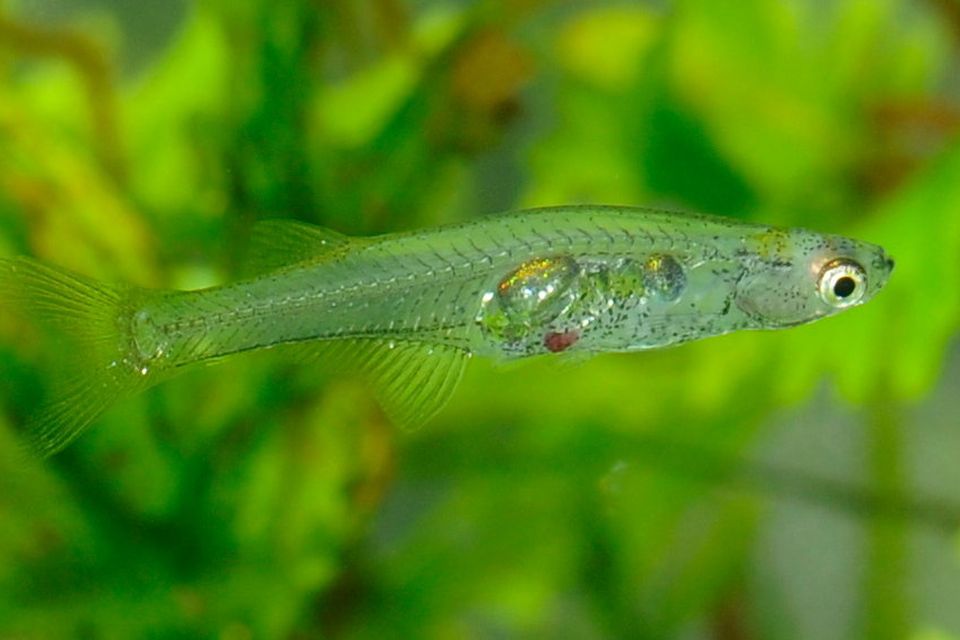
Tiny fish, big boom: This small fish found to roar like a gunshot

Turkish city unveils design of Mars Colony project for tourists

Researchers Reveal the Source of the Electron Rain Phenomenon
A New Study Reveals How Climate Change Will Affect Sound Travels Underwater
Here Are 6 Space Technologies We Can Benefit to Improve Life on Earth
SpaceX Announced Crew Dragon Will No Longer Be Produced
Russia Warns Sanctions on Moscow Could Endanger the ISS
A New Study Reveals How to Make Walking Easier

Remote-control cars to race on the Moon in 2021
Space Debris Problem Is Getting Worse: Causes and Removal Efforts of Rambling Junk

Microplastic Pollution Detected in Human Blood for the First Time

Nvidia CEO declares coding’s end in AI era
Here Is Blue Origin’s Touristic Rocket: The New Shepard Design
The Fastest Manned Plane in the World: Here’s The Insane Engineering of the X-15
Here Are 6 Space Technologies We Can Benefit to Improve Life on Earth
Pentagon Formed A New Group To Investigate UFO Reports
Space Debris Problem Is Getting Worse: Causes and Removal Efforts of Rambling Junk
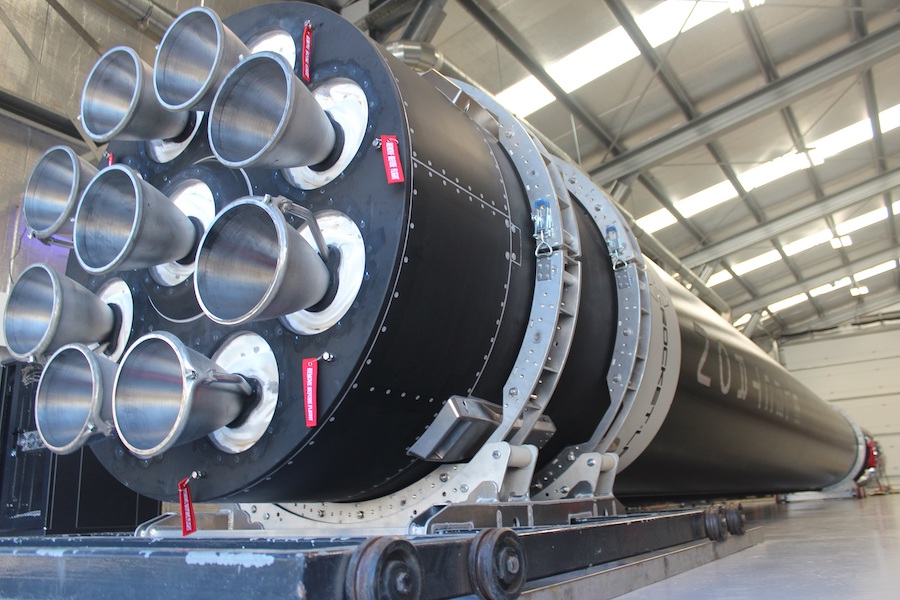
From New Zealand to the US: The Rocket Lab Story
Here Is Blue Origin’s Touristic Rocket: The New Shepard Design

Take a Look at Earth From Space: Glasgow, Scotland
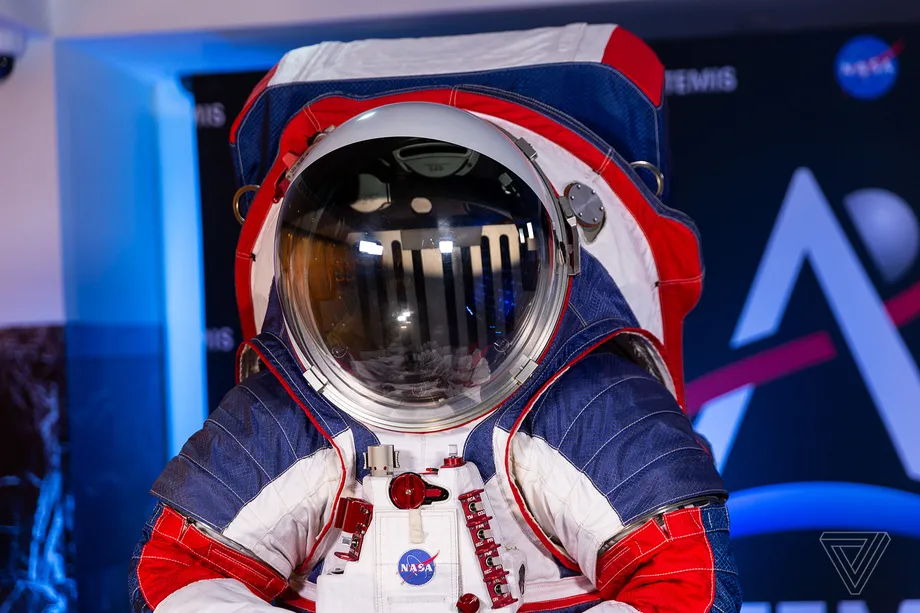
NASA Is Preparing Next Generation Spacesuits for Moon Mission and Beyond
Remote-control cars to race on the Moon in 2021
Meteorite makes Indonesian man a millionaire as piece crashes through his roof
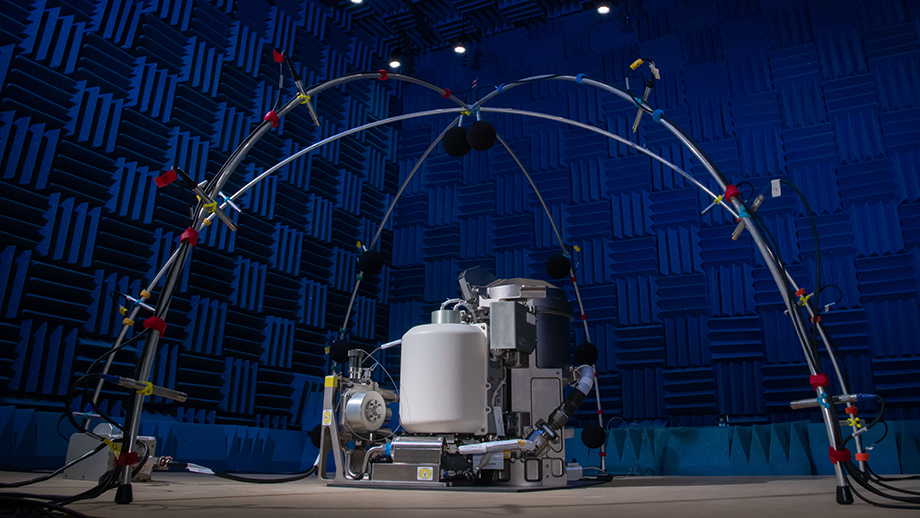
NASA sends a new Space toilet for astronauts to ISS

 Earth & Energy5 years ago
Mariana Trench: 8 Fascinating Facts About the Earth’s Deepest Place

 Space6 years ago
10 most famous scientists who contributed to astronomy and space
- Skywatching6 years ago
Top 25 extremely stunning photos of Northern Lights of 2020 revealed
- Engineering6 years ago
Meteorite makes Indonesian man a millionaire as piece crashes through his roof

 Science5 years ago
It’s Now Possible to Predict Blood Cancer With Ten-Second Videos
 Engineering5 years ago
This Inexpensive Method Speeds up Analysis of 3D Printed Metal Parts
- Infographic6 years ago
SpaceX Dragon: A Game Changer for NASA

 Earth & Energy3 years ago
Tiny fish, big boom: This small fish found to roar like a gunshot