
Write to Cahid Atik at cahid.atik@orbitinside.com
Space
10 most famous scientists who contributed to astronomy and space
If you are related to the history of science, you can take a look at this list.

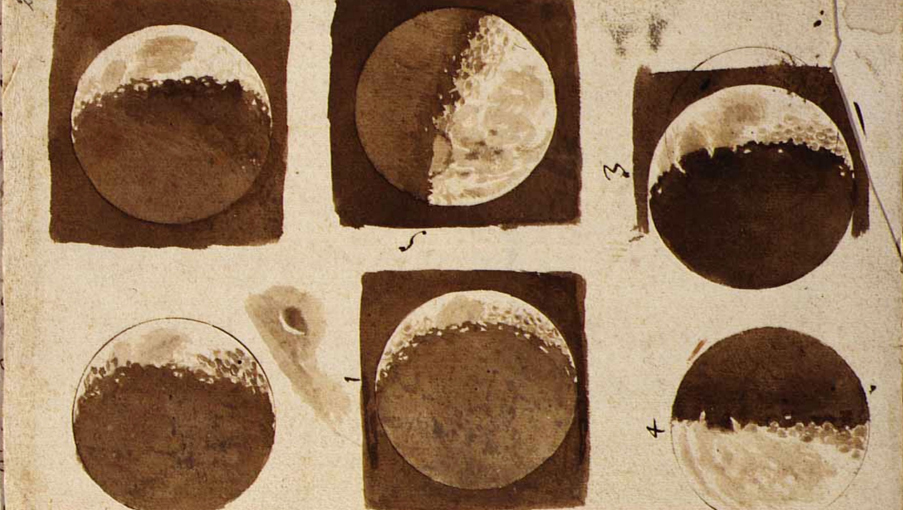
Astronomy is considered the oldest of the natural sciences, with the first observations made by an unaided eye. As time progressed, human ancestors from the Chinese, Babylonians, Greeks, and others sought to explain the meaning of whatever they saw in the sky. It would be appropriate to say that the famous space scientists who lived in the past have made important contributions to the formation of today’s space science.
When the scientists in astronomy and space took to the stage with their inventions, science started to shape. Here are some famous astronomers and rocket developers who have changed our perception of the universe and opened the doors to improvement.
1. Claudius Ptolemy (85-165)
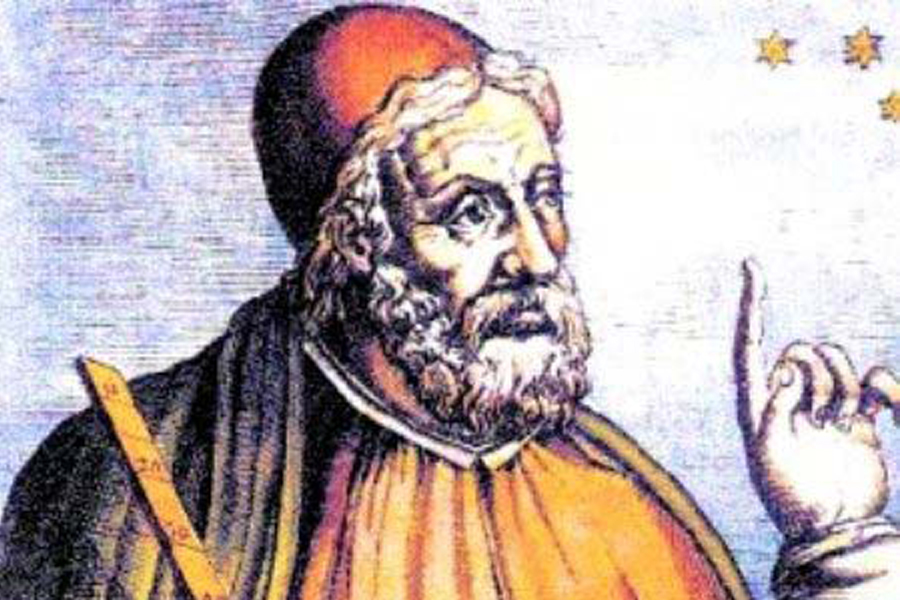
Astronomer Claudius Ptolemy is most known for his geocentric theory of the universe prevailed for 1400 years, claiming Earth was at the center of the Universe. The Sun, Moon, stars, and planets orbited Earth, according to his geocentric model which Galileo Galilei and Isaac Newton eventually refuted.
Ptolemy made observations about planets from Alexandria in Egypt. He made his most original contribution by presenting details of the motions of each of the planets. Newton, however, threw Ptolemy’s works into question, saying: “We can say that all of Ptolemy’s observations that can be tested are fabricated.”
2. Nicolaus Copernicus (1473-1543)

Contrary to Ptolemy, Nicolaus Copernicus proposed that the Sun was at the center of the Universe, in which planets revolved around the Sun. He wrote the Commentariolus, or Little Commentary, a short outline of his revolutionary heliocentric theory.
In the treatise, he correctly postulated the order of the planets from the Sun. He estimated their sidereal periods: Mercury (88 days), Venus (225 days), Earth (1 year), Mars (1.9 years), Jupiter (12 years), and Saturn (30 years).
3. Galileo Galilei (1564-1642)

Galileo Galilei is credited as the father of modern science and made major contributions to astronomy and cosmology. His invention of an improved telescope paved the way for observing the moons of Jupiter, the phases of Venus, the rings of Saturn sunspots, and the rough lunar surface.
Galileo also discovered new stars through his telescope. Following the discoveries, he created a book Sidereus Nuncius, or The Starry Messenger, in which his earth-shattering findings are described. The telescopes and microscopes invented by him marked an era in astronomy and biology.
4. Tycho Brahe (1546-1601):

Another famous astronomer Tycho Brahe worked for developing astronomical instruments. He built an observatory on Sweden’s Ven island, in which he made astronomical observations. His observations through a compass and a sextant supported the heliocentric theory suggested earlier by Copernicus.
Cataloged over 1000 stars, he also demonstrated irregularities in the Moon’s orbit. In 1600, Tyco Brahe hired Johannes Kepler as his assistant.
5. Johannes Kepler (1571-1630):

When talking about Johannes Kepler, another leading figure among the most famous astronomers, the three laws of planetary motion come to mind. The discovery is remembered by his name: Kepler’s law.
The first law says planets move in ellipses with the Sun at one focus. The radius vector sweeps equal areas at equal times, per the second law. The last one says the squares of the periodic times are to each other as the cubes of the mean distances.
Kepler first explained the principles of how a telescope works. He suggested that the Moon’s gravitational attraction causes the tides, which Galileo dismissed. Moreover, he said the Sun rotates on its axis and coined the word “satellite.”
6. Isaac Newton (1643-1727):
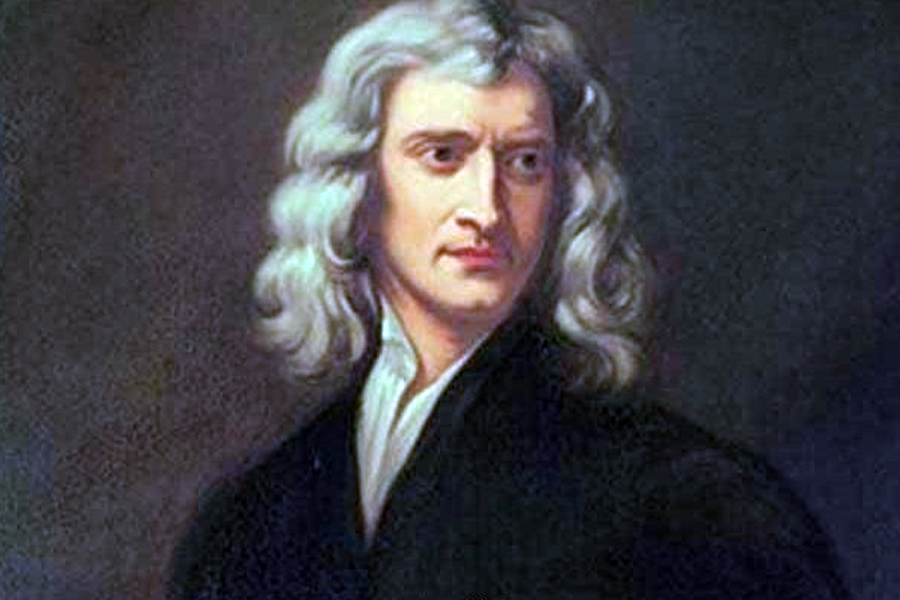
Isaac Newton is best known for his three laws of motion, which he established with the publication of Principia. In 1668, he built the first reflecting telescope. Newton’s three laws of motion are as follows:
(1) Every object in a state of uniform motion will remain in that state of motion unless an external force acts on it; (2) Force equals mass times acceleration: F=ma; (3) For every action there is an equal and opposite reaction.
He is considered a big part of the European Enlightenment.
7. William Herschel (1738-1822):

William Herschel is credited as the founder of sidereal astronomy. He discovered the planet Uranus, the seventh planet from the Sun, and its moons. He suggested that nebulae are composed of stars, and formulated a theory of stellar evolution.
Built a forty-foot reflector, the largest one thenadays, he was observing the sky. Following the discovery of several moons, Herschel cataloged double stars, which were orbiting pairs.
8. Robert Hutchings Goddard (1882-1945):
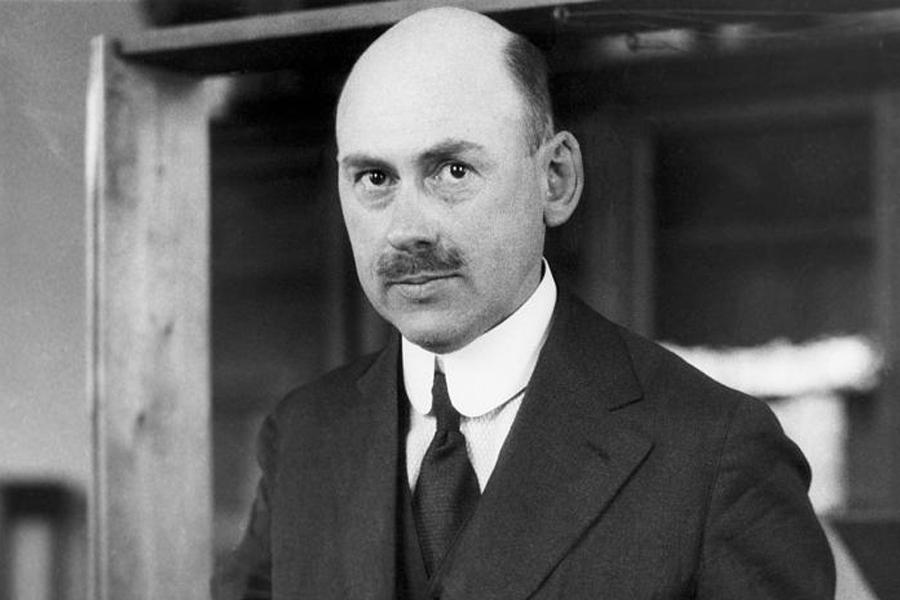
Robert Hutchings Goddard is referred to as the father of modern rocket propulsion who conducted research on a multi-stage rocket and rocket fueled with gasoline and liquid nitrous oxide. These attempts contributed to the further development of rocketry.
He achieved 63 percent efficiency in powder rockets converting their fuel into thrust. In 1920, he delineated the probability of a rocket reaching the Moon.
9. Edwin Powell Hubble (1889-1953):
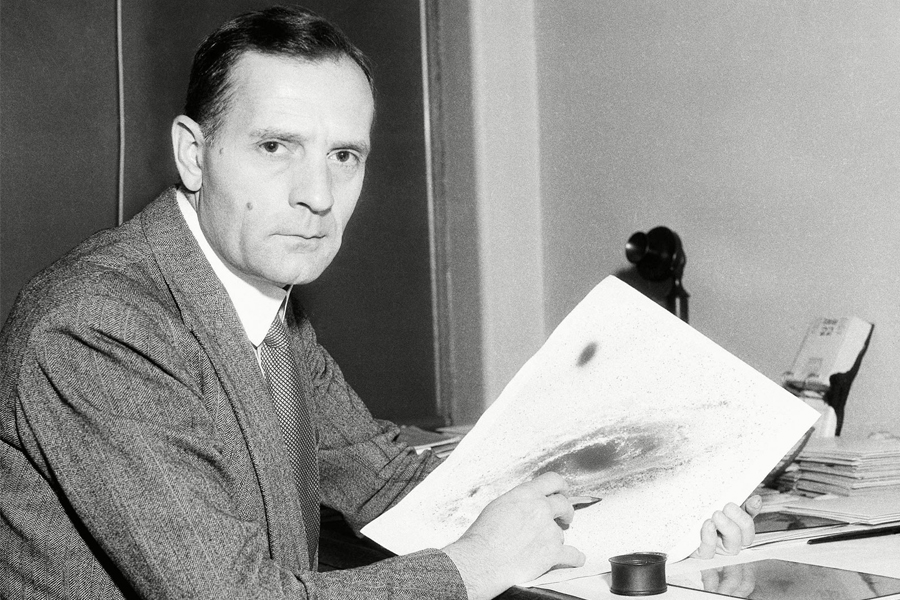
In the 1920s, he discovered numerous galaxies exist beyond our spiral Milky Way galaxy. This advancement revolutionized our understanding of the universe as well as our place within the immense site.
Cepheids in astronomy are used for precise measurements of distance due to their pulsation. As he noticed a Cepheid variable, also known as a pulsating star, inside each nebula of NGC 6822, M33, and M31, he calculated the distance of each Cepheid, thus how far each nebula lay.
Hubble’s law, which was actually proposed by Georges Lemaitre in 1927, is used to determine the rate at which the universe is expanding.
The universe is expanding at a constant rate known as the Hubble constant: 67.4 km/s/Mpc, per the calculation.
The last one in the famous space scientists list: Wernher von Braun (1912-1977):

Wernher von Braun received his doctorate in Physics in 1934 and is one of the most important rocket developers. In 1932, he worked for the German army to develop liquid-fuel rockets.
Because of World War II, a group of about 125 and Braun were sent to America, where they worked on rockets for the US Army, and assisted in V-2, the world’s first long-range ballistic missile.
In 1950, his team designed Army’s Redstone and Jupiter ballistic missiles, in addition to the Jupiter C, Juno II, and Saturn I launch vehicles.

Earth & Energy5 years ago
Mariana Trench: 8 Fascinating Facts About the Earth’s Deepest Place
Space6 years ago
10 most famous scientists who contributed to astronomy and space

Skywatching6 years ago
Top 25 extremely stunning photos of Northern Lights of 2020 revealed

Engineering6 years ago
Meteorite makes Indonesian man a millionaire as piece crashes through his roof
Science4 years ago
It’s Now Possible to Predict Blood Cancer With Ten-Second Videos

Engineering5 years ago
This Inexpensive Method Speeds up Analysis of 3D Printed Metal Parts

Infographic6 years ago
SpaceX Dragon: A Game Changer for NASA

Earth & Energy3 years ago
Tiny fish, big boom: This small fish found to roar like a gunshot

Engineering6 years ago
Turkish city unveils design of Mars Colony project for tourists

Science4 years ago
Researchers Reveal the Source of the Electron Rain Phenomenon

Earth & Energy4 years ago
A New Study Reveals How Climate Change Will Affect Sound Travels Underwater
Tech5 years ago
Here Are 6 Space Technologies We Can Benefit to Improve Life on Earth
Space4 years ago
SpaceX Announced Crew Dragon Will No Longer Be Produced
Space4 years ago
Russia Warns Sanctions on Moscow Could Endanger the ISS
Engineering4 years ago
A New Study Reveals How to Make Walking Easier

Engineering6 years ago
Remote-control cars to race on the Moon in 2021
Space5 years ago
Space Debris Problem Is Getting Worse: Causes and Removal Efforts of Rambling Junk

Science4 years ago
Microplastic Pollution Detected in Human Blood for the First Time

Tech3 years ago
Nvidia CEO declares coding’s end in AI era
Space5 years ago
Here Is Blue Origin’s Touristic Rocket: The New Shepard Design
Engineering5 years ago
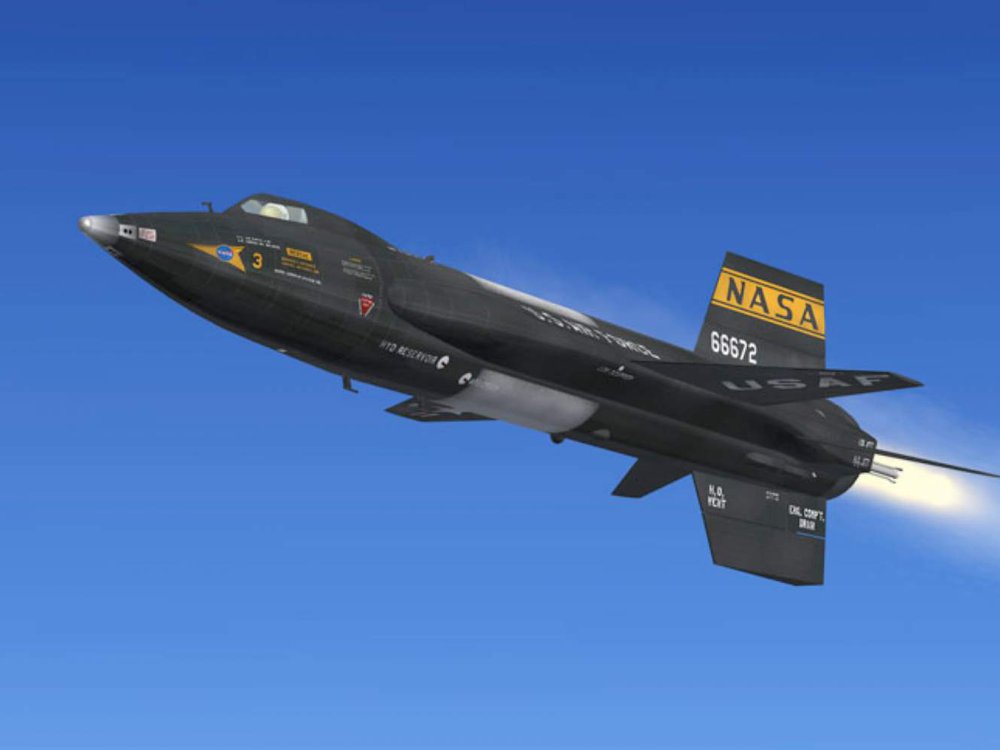
The Fastest Manned Plane in the World: Here’s The Insane Engineering of the X-15
Tech5 years ago
Here Are 6 Space Technologies We Can Benefit to Improve Life on Earth
Space5 years ago
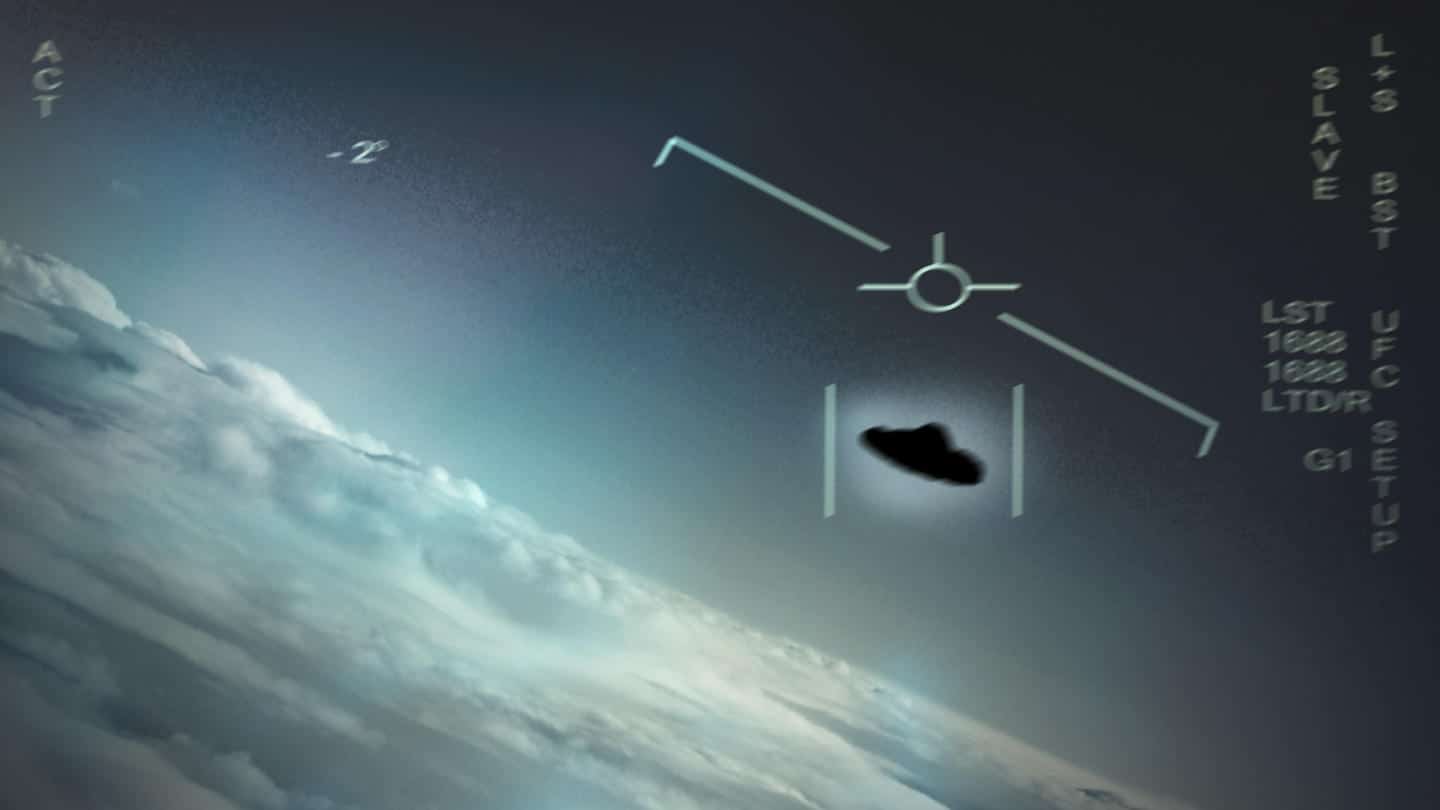
Pentagon Formed A New Group To Investigate UFO Reports
Space5 years ago
Space Debris Problem Is Getting Worse: Causes and Removal Efforts of Rambling Junk
Space5 years ago
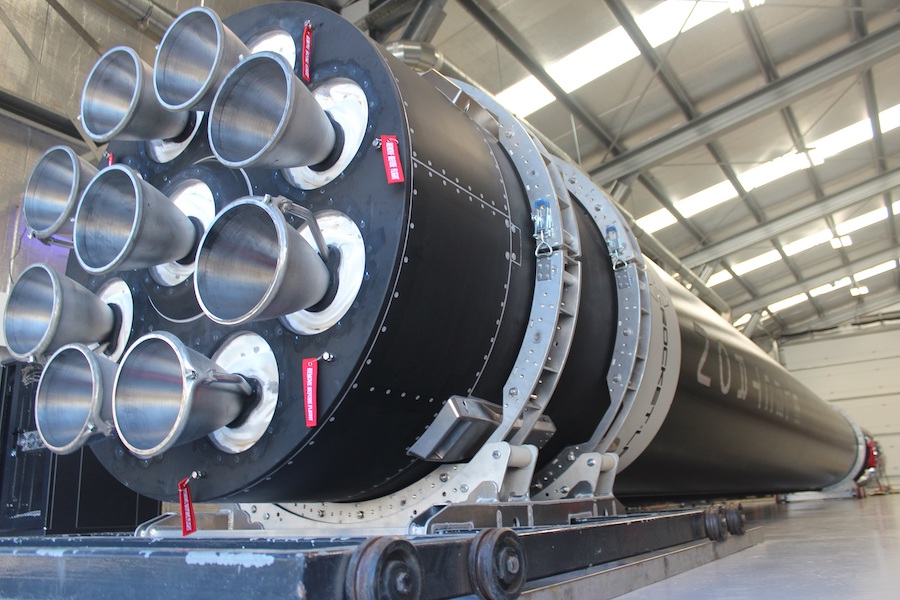
From New Zealand to the US: The Rocket Lab Story
Space5 years ago
Here Is Blue Origin’s Touristic Rocket: The New Shepard Design
Space5 years ago
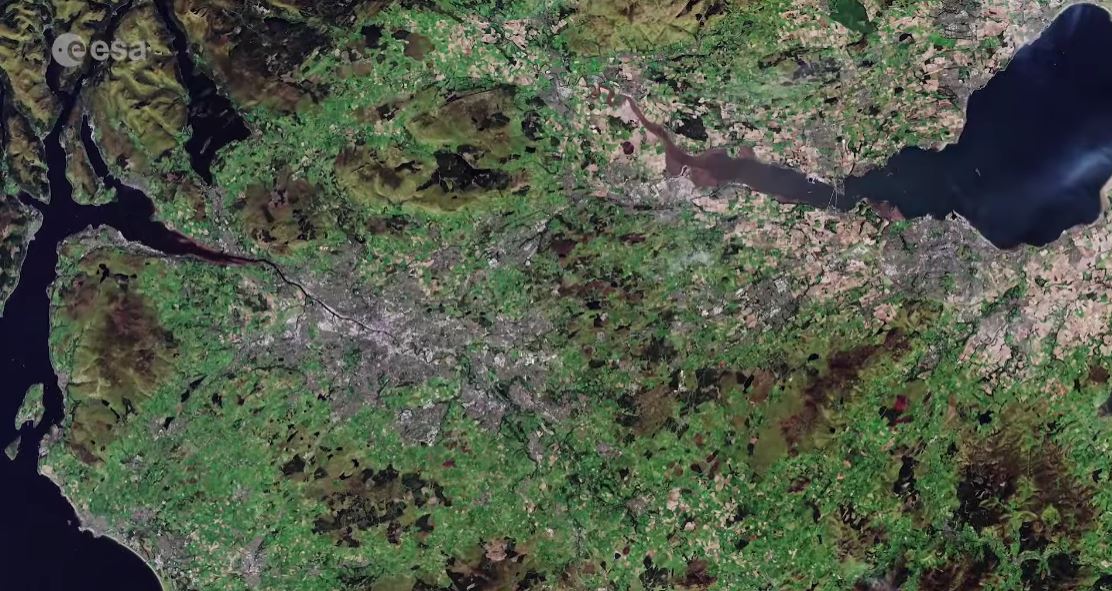
Take a Look at Earth From Space: Glasgow, Scotland
Engineering5 years ago
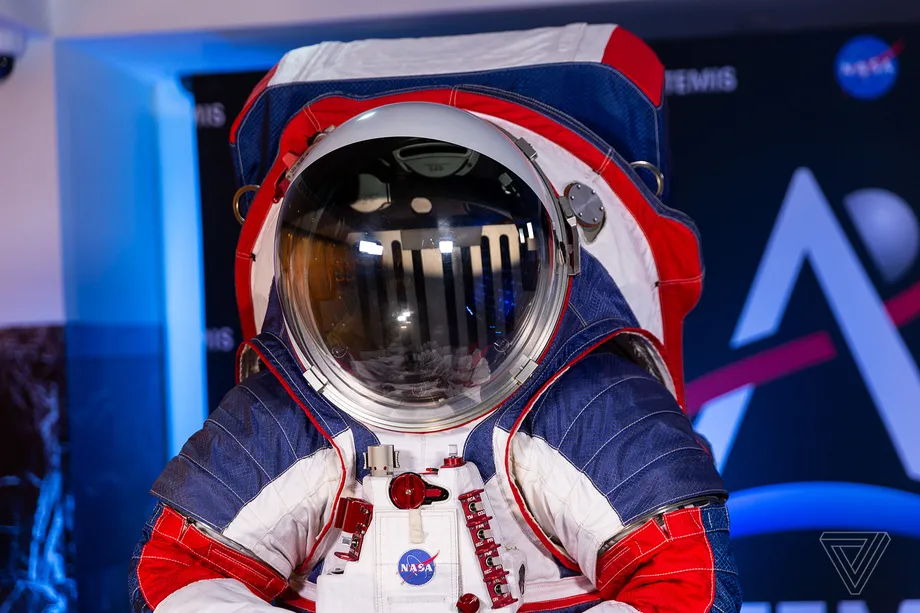
NASA Is Preparing Next Generation Spacesuits for Moon Mission and Beyond
Engineering6 years ago
Remote-control cars to race on the Moon in 2021
Engineering6 years ago
Meteorite makes Indonesian man a millionaire as piece crashes through his roof
Engineering6 years ago
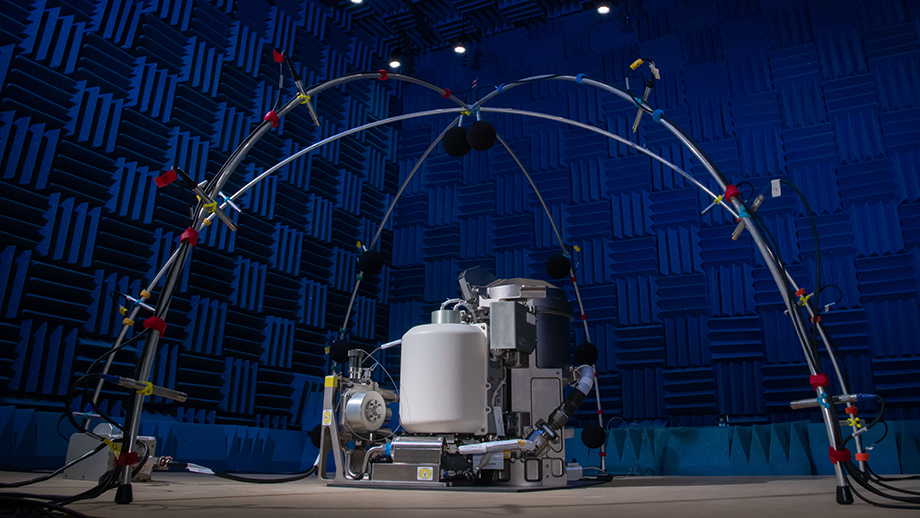
NASA sends a new Space toilet for astronauts to ISS

 Earth & Energy5 years ago
Mariana Trench: 8 Fascinating Facts About the Earth’s Deepest Place

 Skywatching6 years ago
Top 25 extremely stunning photos of Northern Lights of 2020 revealed
- Engineering6 years ago
Meteorite makes Indonesian man a millionaire as piece crashes through his roof

 Science4 years ago
It’s Now Possible to Predict Blood Cancer With Ten-Second Videos
 Engineering5 years ago
This Inexpensive Method Speeds up Analysis of 3D Printed Metal Parts
- Infographic6 years ago
SpaceX Dragon: A Game Changer for NASA

 Earth & Energy3 years ago
Tiny fish, big boom: This small fish found to roar like a gunshot
- Engineering6 years ago
Turkish city unveils design of Mars Colony project for tourists