
Space
NASA is launching its first cosmic gas station demo this summer to transform deep space travel
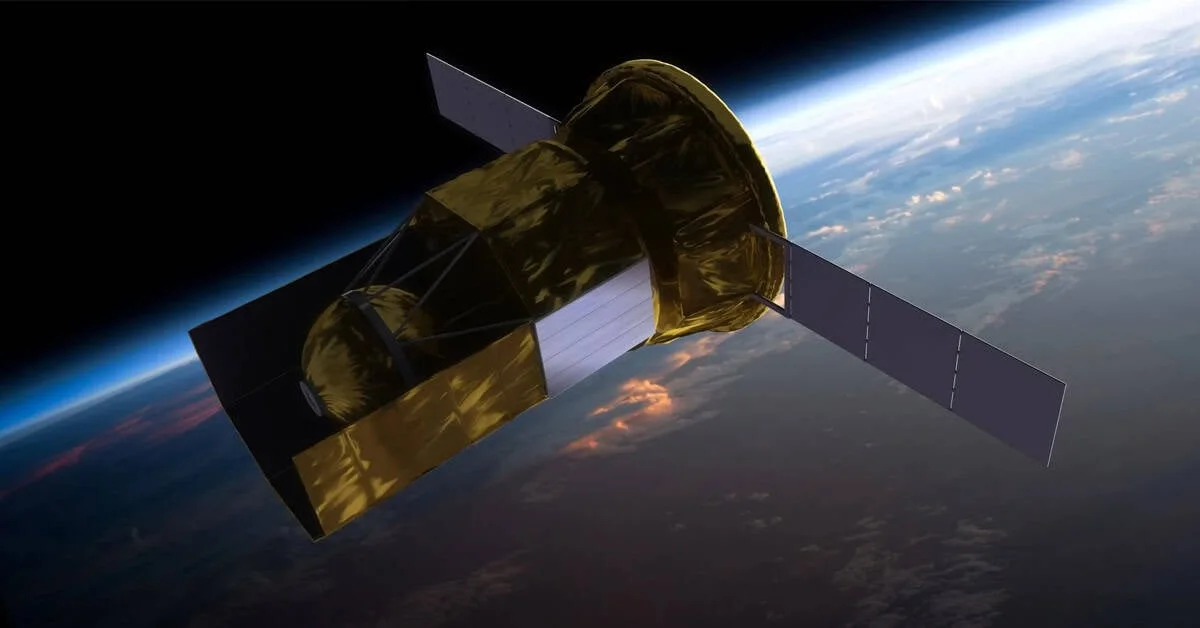
The American space agency prepares to deploy the pioneering LOXSAT satellite to test super-chilled propellant storage and transfer technologies directly within Earth’s orbit.

Keypoints
- NASA will launch a specialized mission to test orbital fuel depots for sustainable deep-space exploration.
- The demonstration satellite will launch from New Zealand aboard a Rocket Lab Electron rocket this July.
- Successful cryogenic storage is vital for refueling the next generation of lunar landers from private companies.
Spacecraft traveling to distant destinations currently face the daunting challenge of embarking on long journeys without any refueling infrastructure along their celestial routes. NASA intends to address this critical limitation by launching a specialized demonstration mission designed to establish orbital fuel depots.
This upcoming initiative will evaluate cutting-edge technologies that could allow future spaceships to top off their tanks mid-journey. The primary goal centers on facilitating sustainable deep-space exploration to the Moon, Mars, and beyond.
THE CRITICAL CHALLENGE OF CRYOGENIC STORAGE IN MICROGRAVITY
The Liquid Oxygen Flight Demonstration satellite will head into orbit to confront the messy complexities of managing cryogenic liquids in zero gravity. These specialized propellants require strict and extremely freezing temperature controls to remain completely usable for propulsion systems.
If these highly sensitive liquids experience even a minor temperature increase, they quickly boil away into useless gas. Maintaining long-term thermal stability in the void of microgravity represents a significant engineering hurdle that has never been solved before.
MISSION TIMELINE AND ROCKET LAB LAUNCH DETAILS
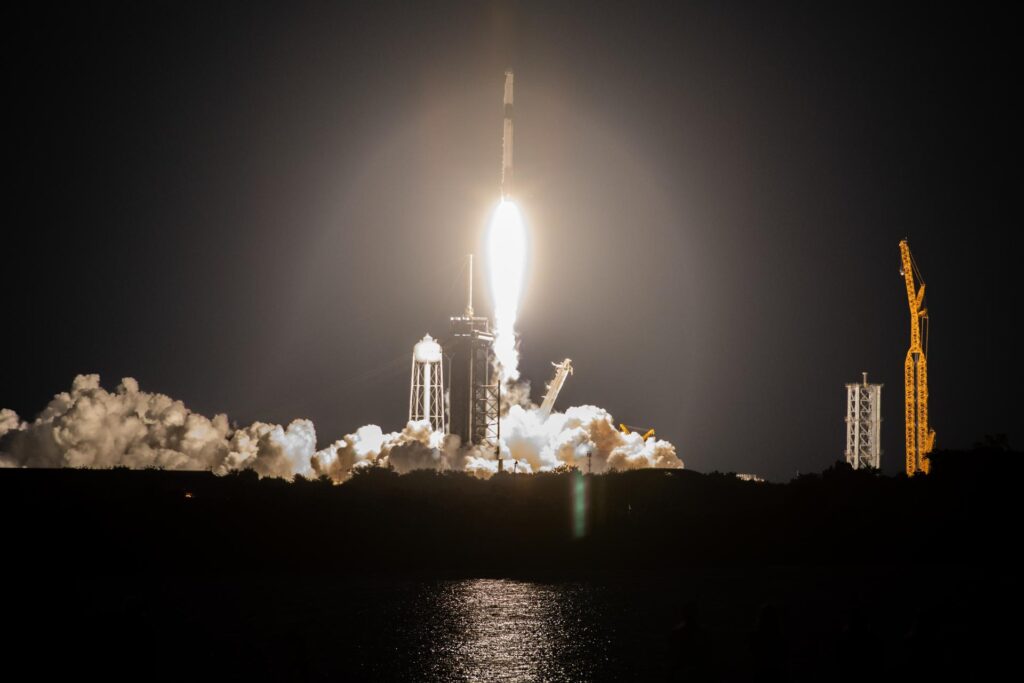
The groundbreaking tech demonstration is scheduled to blast off no earlier than July 17 from New Zealand. The satellite payload will ride into space aboard an Electron rocket managed by commercial provider Rocket Lab.
This comprehensive orbital mission is slated to last for a total duration of nine months. Engineers will utilize this timeframe to put eleven distinct high-tech hardware components through rigorous environmental testing.
STRATEGIC PARTNERSHIPS POWERING COSMIC PLUMBING
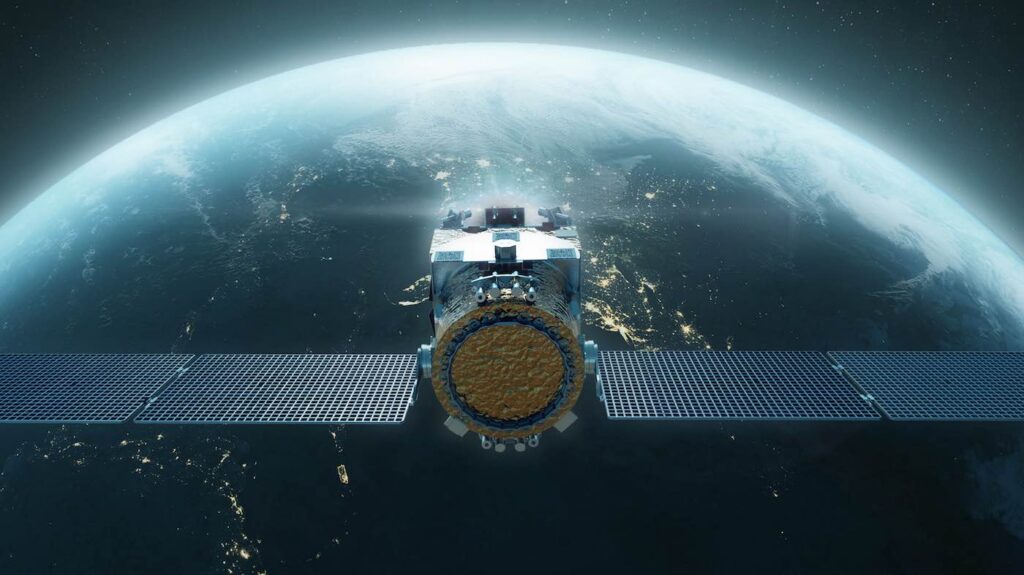
NASA collaborated with Florida-based company Eta Space to develop this vital orbital fluid management technology. Financial backing for the joint project comes directly from the public agency’s commercial Tipping Point initiative.
The project brings together top technical minds from the Marshall, Glenn, and Kennedy space centers. This collaborative effort operates under the specialized umbrella of the Cryogenic Fluid Management Portfolio.
IMPACT ON SPACEX AND BLUE ORIGIN LUNAR LANDERS
The success of this plumbing demonstration remains vital for the next generation of human-rated lunar landing vehicles. Both SpaceX’s Starship and Blue Origin’s Blue Moon landers rely heavily on these temperamental cryogenic fuels.
Starship utilizes a specific propellant mixture of liquid oxygen and liquid methane for its operations. Meanwhile, the Blue Moon vehicle design requires a combination of liquid oxygen and liquid hydrogen to function.
Both competing spacecraft designs demand continuous high-tech refrigeration to keep their respective propellants in a liquid state. Furthermore, both vehicles must undergo successful orbital refueling to land astronauts safely and return them to Earth.
No spacecraft in history has successfully stored these super-chilled fuels long-term or transferred them between vehicles in space. The LOXSAT mission aims to become the very first project to prove this capability is actually possible.
PROVIDING THE COMPREHENSIVE BLUEPRINT FOR ARTEMIS THREE
The clock is actively ticking for the space agency as it targets late 2027 for the historic Artemis 3 mission. This future voyage will send a crew of four astronauts into orbit to practice critical docking maneuvers.
NASA intends to fly with whichever commercial lander achieves operational readiness first, even if that means leaving the other option behind. The nine-month satellite test run will fully conclude before those astronauts launch from Earth.
The data gathered during the orbital demonstration will provide the exact technological blueprint needed by private partners to handle fuel in zero gravity. This achievement will ultimately pave the way for cosmic gas stations that can propel humanity deeper into the unknown.

Mariana Trench: 8 Fascinating Facts About the Earth’s Deepest Place
10 most famous scientists who contributed to astronomy and space

Top 25 extremely stunning photos of Northern Lights of 2020 revealed

Meteorite makes Indonesian man a millionaire as piece crashes through his roof

It’s Now Possible to Predict Blood Cancer With Ten-Second Videos
This Inexpensive Method Speeds up Analysis of 3D Printed Metal Parts

SpaceX Dragon: A Game Changer for NASA

Tiny fish, big boom: This small fish found to roar like a gunshot

Turkish city unveils design of Mars Colony project for tourists

Researchers Reveal the Source of the Electron Rain Phenomenon

A New Study Reveals How Climate Change Will Affect Sound Travels Underwater
Here Are 6 Space Technologies We Can Benefit to Improve Life on Earth
SpaceX Announced Crew Dragon Will No Longer Be Produced
Russia Warns Sanctions on Moscow Could Endanger the ISS
A New Study Reveals How to Make Walking Easier

Remote-control cars to race on the Moon in 2021

Space Debris Problem Is Getting Worse: Causes and Removal Efforts of Rambling Junk

Microplastic Pollution Detected in Human Blood for the First Time

Nvidia CEO declares coding’s end in AI era
Here Is Blue Origin’s Touristic Rocket: The New Shepard Design
The Fastest Manned Plane in the World: Here’s The Insane Engineering of the X-15
Here Are 6 Space Technologies We Can Benefit to Improve Life on Earth
Pentagon Formed A New Group To Investigate UFO Reports
Space Debris Problem Is Getting Worse: Causes and Removal Efforts of Rambling Junk
From New Zealand to the US: The Rocket Lab Story
Here Is Blue Origin’s Touristic Rocket: The New Shepard Design

Take a Look at Earth From Space: Glasgow, Scotland
NASA Is Preparing Next Generation Spacesuits for Moon Mission and Beyond
Remote-control cars to race on the Moon in 2021
Meteorite makes Indonesian man a millionaire as piece crashes through his roof
NASA sends a new Space toilet for astronauts to ISS

 Earth & Energy5 years ago
Mariana Trench: 8 Fascinating Facts About the Earth’s Deepest Place

 Space6 years ago
10 most famous scientists who contributed to astronomy and space
- Skywatching6 years ago
Top 25 extremely stunning photos of Northern Lights of 2020 revealed
- Engineering6 years ago
Meteorite makes Indonesian man a millionaire as piece crashes through his roof

 Science4 years ago
It’s Now Possible to Predict Blood Cancer With Ten-Second Videos
 Engineering5 years ago
This Inexpensive Method Speeds up Analysis of 3D Printed Metal Parts
- Infographic6 years ago
SpaceX Dragon: A Game Changer for NASA

 Earth & Energy3 years ago
Tiny fish, big boom: This small fish found to roar like a gunshot