
Tech
Why AI electricity consumption could soon rival entire nations
AI could drain 3% of global power and spark an environmental crisis by 2030.

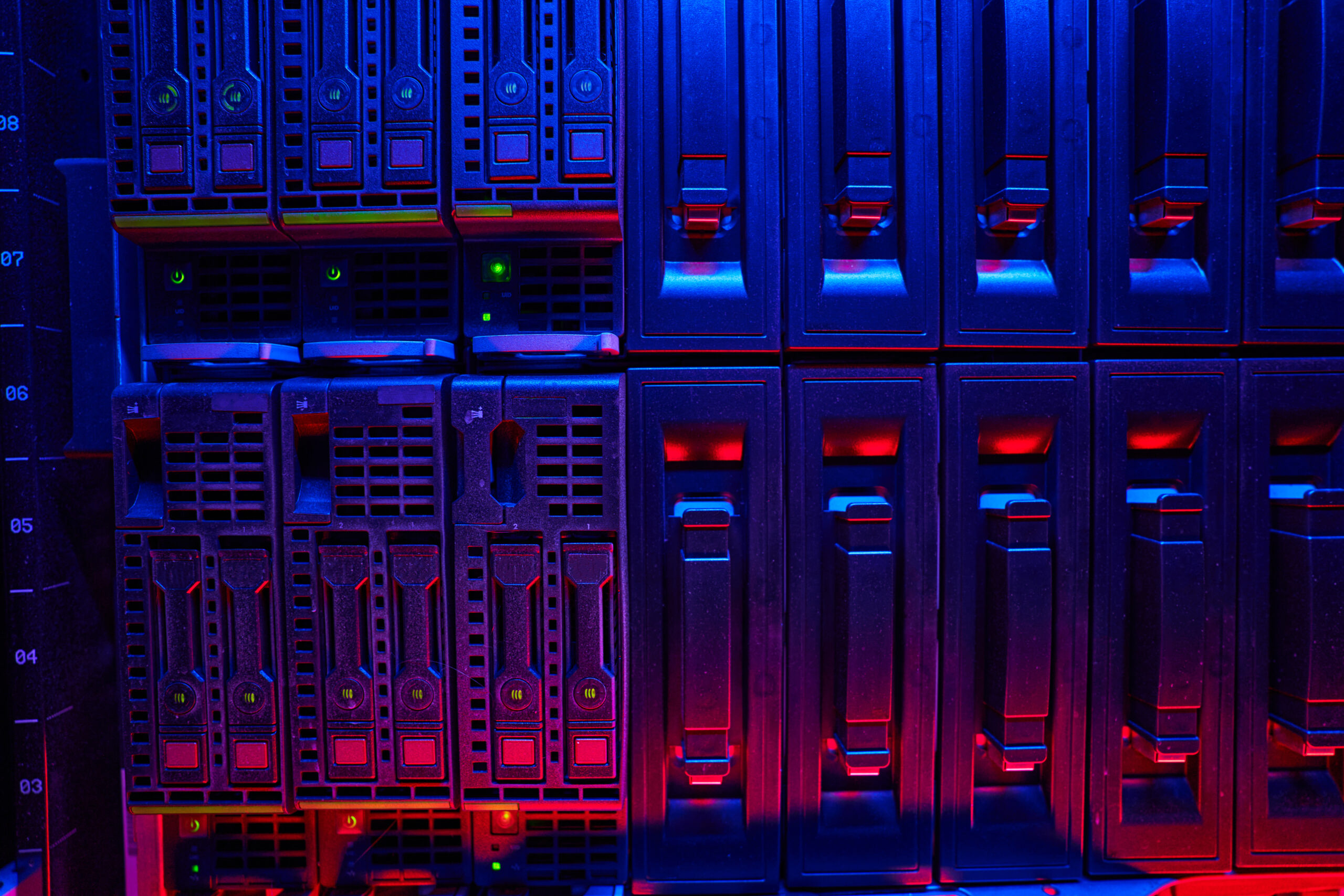
Keypoints
- A new United Nations report warns that AI electricity consumption will double by 2030 despite technological optimizations.
- Data centers could consume trillions of liters of water and require billions of trees to offset carbon emissions.
- Experts call for mandatory environmental disclosures and global regulations to manage the growing resource demands of AI.
The tech industry frequently defends the resource demands of modern data centers by arguing that artificial intelligence will naturally require less power as models become highly optimized. But a stark new United Nations report exposes the flaw in this logic, warning that AI electricity consumption is poised to double by 2030. Instead of reducing the strain on our power grids, technological improvements are actually expected to drive a massive surge in adoption, pushing the environmental cost of these systems to unprecedented heights.
The Paradox Fueling AI Electricity Consumption
Economists call it the “Jevons paradox”—a phenomenon first observed in 19th-century coal usage where increasing efficiency actually leads to greater total resource demand.
As AI models become cheaper and more capable, they are integrated into far more applications and used at much higher volumes. This explosive growth effectively erases any energy savings gained from hardware or software efficiency.
Emissions, Water, Land
By 2030, the UN estimates that the energy required to power these models could account for up to 3% of the world’s total electricity. The physical footprint is equally alarming:
Offsetting the resulting carbon footprint would require growing 6.7 billion trees over ten years. Cooling these sprawling data centers could devour 9.3 trillion liters of water—more than the annual drinking water requirements of the entire human population.
Future data centers could occupy a landmass nearly ten times the size of Mexico City.
The Widening Environmental Divide
Beyond the staggering resource drain, the AI boom is deeply inequitable. Currently, just 32 nations host specialized AI cloud infrastructure, with a massive 90% of that capacity concentrated in the United States and China.
This creates a stark divide: a handful of nations build, control, and profit from the technology, while developing countries often shoulder the environmental burdens of the raw mineral extraction and eventual e-waste disposal required to sustain it.
A Roadmap for Sustainable Tech
To prevent this looming crisis, experts argue that we can no longer rely on a “light touch” regulatory approach. The UN report calls for comprehensive value-chain governance, moving from ethical sourcing of materials to safe disposal.
Moving forward, true innovation must pair technological capability with environmental stewardship. This means making environmental disclosures a mandatory part of AI development and factoring the colossal resource demands of data centers into global climate planning before the hidden costs of our digital future become an irreversible physical reality.

Mariana Trench: 8 Fascinating Facts About the Earth’s Deepest Place
10 most famous scientists who contributed to astronomy and space

Top 25 extremely stunning photos of Northern Lights of 2020 revealed

Meteorite makes Indonesian man a millionaire as piece crashes through his roof
It’s Now Possible to Predict Blood Cancer With Ten-Second Videos

This Inexpensive Method Speeds up Analysis of 3D Printed Metal Parts

SpaceX Dragon: A Game Changer for NASA
Tiny fish, big boom: This small fish found to roar like a gunshot

Turkish city unveils design of Mars Colony project for tourists

Researchers Reveal the Source of the Electron Rain Phenomenon
A New Study Reveals How Climate Change Will Affect Sound Travels Underwater
Here Are 6 Space Technologies We Can Benefit to Improve Life on Earth
SpaceX Announced Crew Dragon Will No Longer Be Produced
Russia Warns Sanctions on Moscow Could Endanger the ISS
A New Study Reveals How to Make Walking Easier

Remote-control cars to race on the Moon in 2021
Space Debris Problem Is Getting Worse: Causes and Removal Efforts of Rambling Junk

Microplastic Pollution Detected in Human Blood for the First Time
Nvidia CEO declares coding’s end in AI era
Here Is Blue Origin’s Touristic Rocket: The New Shepard Design
The Fastest Manned Plane in the World: Here’s The Insane Engineering of the X-15
Here Are 6 Space Technologies We Can Benefit to Improve Life on Earth
Pentagon Formed A New Group To Investigate UFO Reports
Space Debris Problem Is Getting Worse: Causes and Removal Efforts of Rambling Junk
From New Zealand to the US: The Rocket Lab Story
Here Is Blue Origin’s Touristic Rocket: The New Shepard Design
Take a Look at Earth From Space: Glasgow, Scotland
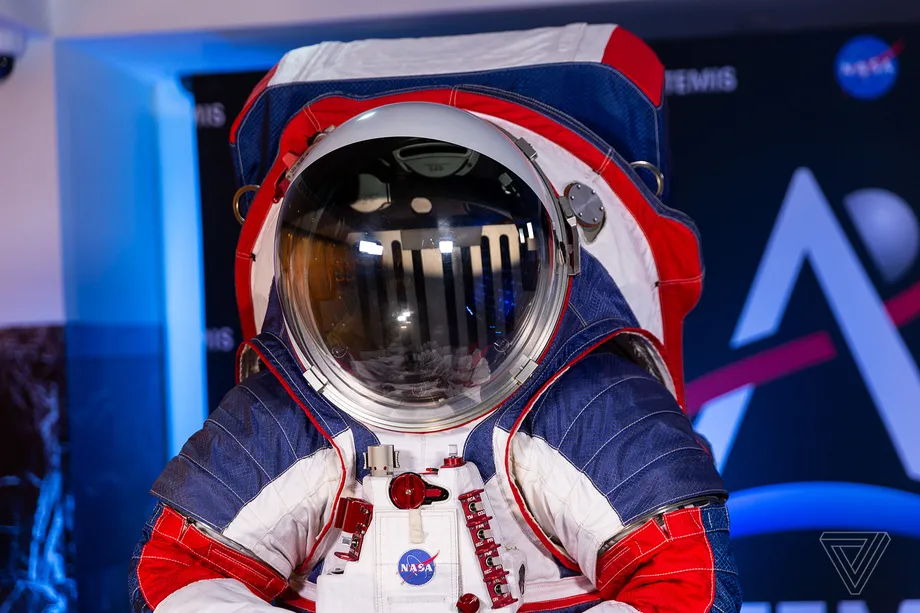
NASA Is Preparing Next Generation Spacesuits for Moon Mission and Beyond
Remote-control cars to race on the Moon in 2021
Meteorite makes Indonesian man a millionaire as piece crashes through his roof
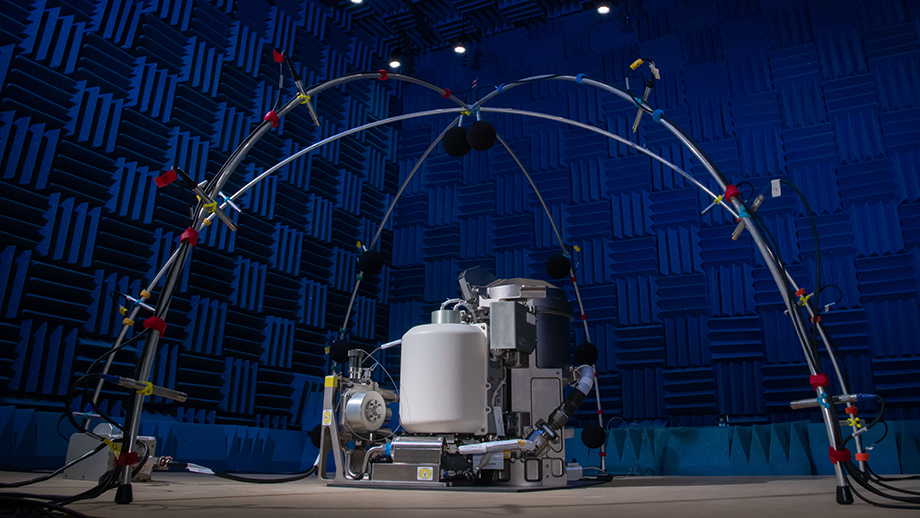
NASA sends a new Space toilet for astronauts to ISS

 Earth & Energy5 years ago
Mariana Trench: 8 Fascinating Facts About the Earth’s Deepest Place

 Space6 years ago
10 most famous scientists who contributed to astronomy and space
- Skywatching6 years ago
Top 25 extremely stunning photos of Northern Lights of 2020 revealed
- Engineering6 years ago
Meteorite makes Indonesian man a millionaire as piece crashes through his roof

 Science5 years ago
It’s Now Possible to Predict Blood Cancer With Ten-Second Videos
 Engineering5 years ago
This Inexpensive Method Speeds up Analysis of 3D Printed Metal Parts
- Infographic6 years ago
SpaceX Dragon: A Game Changer for NASA

 Earth & Energy3 years ago
Tiny fish, big boom: This small fish found to roar like a gunshot