
Science
Harvard scientists uncover the secret map behind the sense of smell
Researchers at Harvard Medical School have discovered a highly organized hidden structure of smell receptors in the nose that challenges previous scientific beliefs.

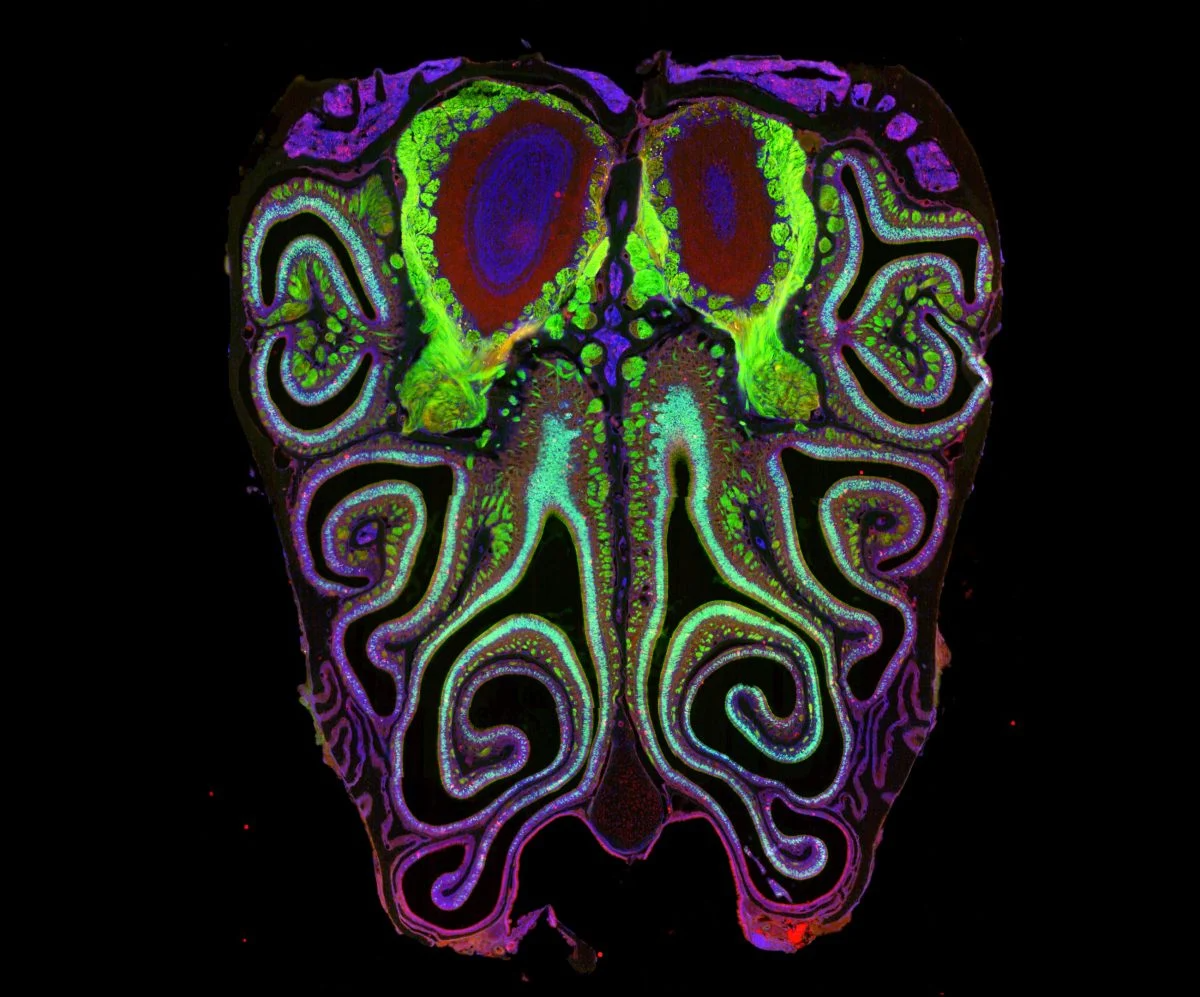
Keypoints
- Harvard researchers created the first detailed map of over a thousand smell receptors using mice.
- The study reveals that smell receptors are organized in horizontal stripes rather than being randomly distributed.
- This physical layout in the nose aligns perfectly with corresponding maps located in the brain's olfactory bulb.
The sense of smell remains one of the most mysterious biological functions in the human body despite its critical role in daily life. It serves as a vital tool for detecting danger and enriching the flavors of food while maintaining deep connections to memory and emotion.
Sandeep Robert Datta explains that the science behind smell has historically lagged behind other senses like sight and hearing. The professor of neurobiology notes that olfaction is incredibly complex and has been difficult to map at a basic level.
CHALLENGING TRADITIONAL SCIENTIFIC ASSUMPTIONS
A team of researchers at Harvard Medical School recently used mice to produce the first detailed map of over a thousand smell receptors. This groundbreaking study reveals that these receptors are not randomly distributed throughout the nose as previously assumed by the scientific community.
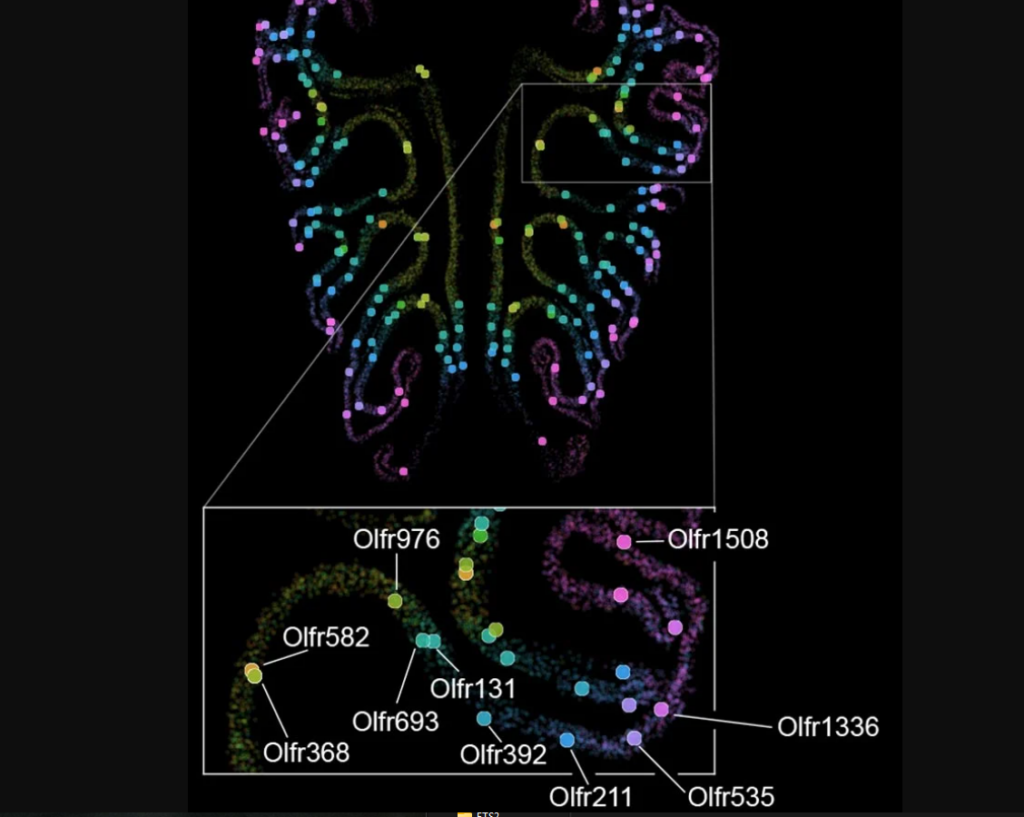
The neurons carrying these receptors actually form organized horizontal stripes that extend from the top of the nose to the bottom. These results bring a sense of order to a biological system that experts once thought completely lacked a structured arrangement.
ALIGNMENT BETWEEN THE NOSE AND THE BRAIN
The team discovered that the physical layout in the nose aligns perfectly with corresponding maps located in the olfactory bulb of the brain. This specific connection provides essential new clues about how scent signals travel from the nose into the human brain.
The findings were published in the journal Cell on April 28 to share this new understanding with the global scientific community. This discovery marks a significant shift in how researchers conceptually think about the mechanics of smelling.
THE COMPLEXITY OF MAPPING SMELL
Scientists have understood the arrangement of sensory receptors in the eyes and ears for a very long time. However, the sense of smell has been the lone exception that lacked a comprehensive map for decades.
The sheer complexity of the system created a massive challenge for researchers trying to track millions of neurons. Mice possess approximately 20 million olfactory neurons that express more than a thousand different types of smell receptors.
ADVANCING BEYOND EARLY OBSERVATIONS
In contrast to the vast variety of smell receptors, color vision depends on only three main receptor types. Each individual smell receptor is specifically tuned to detect a particular group of odor molecules in the environment.
Researchers first began identifying these smell receptors in 1991 but struggled to find a definitive map for 35 years. Early studies suggested that receptors were limited to broad zones which led to the belief that their distribution was mostly random.
MODERN TOOLS REVEAL HIDDEN ORDER
Datta and his colleagues decided to revisit the mystery of smell using modern genetic tools and more powerful analytical techniques. The researchers examined approximately 5.5 million neurons from more than 300 different mice to gather enough data.
The team combined single-cell sequencing with spatial transcriptomics to identify where specific neurons are located within the tissue. This scale of data was necessary to finally understand the intricate system and reveal the clear patterns hidden within.
DISCOVERING THE ROLE OF RETINOIC ACID
The analysis confirmed that neurons are arranged in tightly packed and overlapping horizontal stripes based on their receptor type. This structure remained consistent across different animals and matched the organization of information found in the brain.
The researchers also identified a molecule called retinoic acid as a key factor in shaping this precise sensory map. This molecule regulates gene activity and acts as a guide for neurons during their development in the nose.
A gradient of retinoic acid determines which receptor each neuron expresses based on its specific physical position. When the researchers altered the levels of this molecule, the entire receptor map shifted either up or down accordingly.
This proves that biological development can organize a thousand different receptors into an incredibly precise and consistent map. A separate study led by Catherine Dulac at Harvard University also produced consistent findings regarding this organized structure.
MEDICAL IMPLICATIONS FOR SMELL LOSS
This discovery provides a much-needed foundation for understanding how smell works and offers hope for future medical treatments. Loss of smell currently has very limited treatment options despite its profound impact on human nutrition and safety.
Robert Datta emphasizes that it is impossible to fix the sense of smell without first understanding its basic biological functions. The research highlights the importance of restoring this sense for both physical safety and psychological well-being.
FUTURE DIRECTIONS FOR RESEARCH
Scientists are now investigating why these receptor stripes appear in a specific order and if humans share the same pattern. This work could eventually guide the development of stem cell therapies or brain-computer interfaces to restore lost senses.
Understanding this map is a crucial step toward preventing the psychological issues like depression that often follow a loss of smell. The study was supported by various institutions including the National Institutes of Health and the National Science Foundation.

Mariana Trench: 8 Fascinating Facts About the Earth’s Deepest Place
10 most famous scientists who contributed to astronomy and space

Top 25 extremely stunning photos of Northern Lights of 2020 revealed

Meteorite makes Indonesian man a millionaire as piece crashes through his roof

It’s Now Possible to Predict Blood Cancer With Ten-Second Videos
This Inexpensive Method Speeds up Analysis of 3D Printed Metal Parts

SpaceX Dragon: A Game Changer for NASA
Tiny fish, big boom: This small fish found to roar like a gunshot

Turkish city unveils design of Mars Colony project for tourists

Researchers Reveal the Source of the Electron Rain Phenomenon

A New Study Reveals How Climate Change Will Affect Sound Travels Underwater
Here Are 6 Space Technologies We Can Benefit to Improve Life on Earth

SpaceX Announced Crew Dragon Will No Longer Be Produced
Russia Warns Sanctions on Moscow Could Endanger the ISS
A New Study Reveals How to Make Walking Easier

Remote-control cars to race on the Moon in 2021

Space Debris Problem Is Getting Worse: Causes and Removal Efforts of Rambling Junk
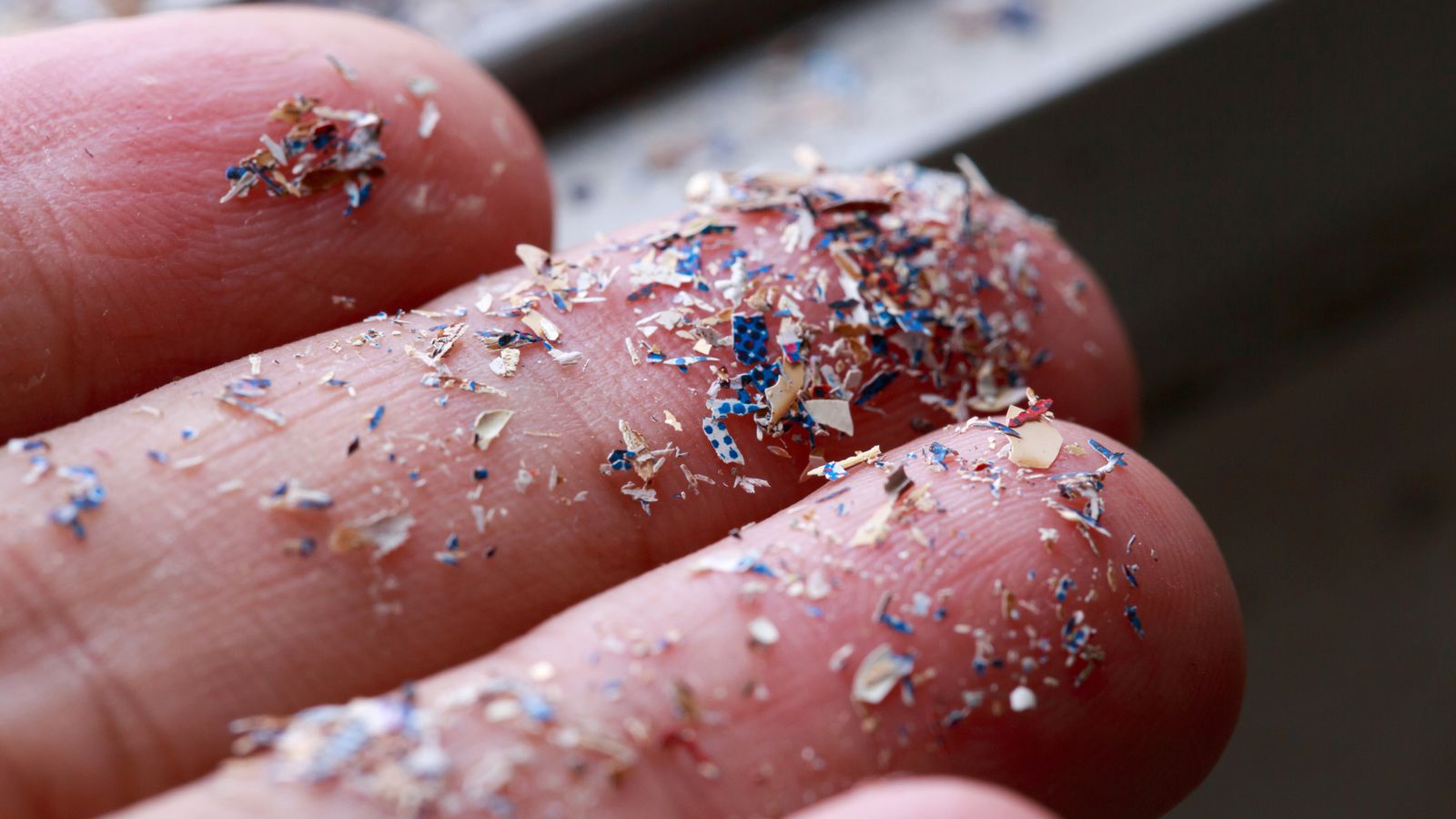
Microplastic Pollution Detected in Human Blood for the First Time

Nvidia CEO declares coding’s end in AI era

Here Is Blue Origin’s Touristic Rocket: The New Shepard Design

The Fastest Manned Plane in the World: Here’s The Insane Engineering of the X-15
Here Are 6 Space Technologies We Can Benefit to Improve Life on Earth
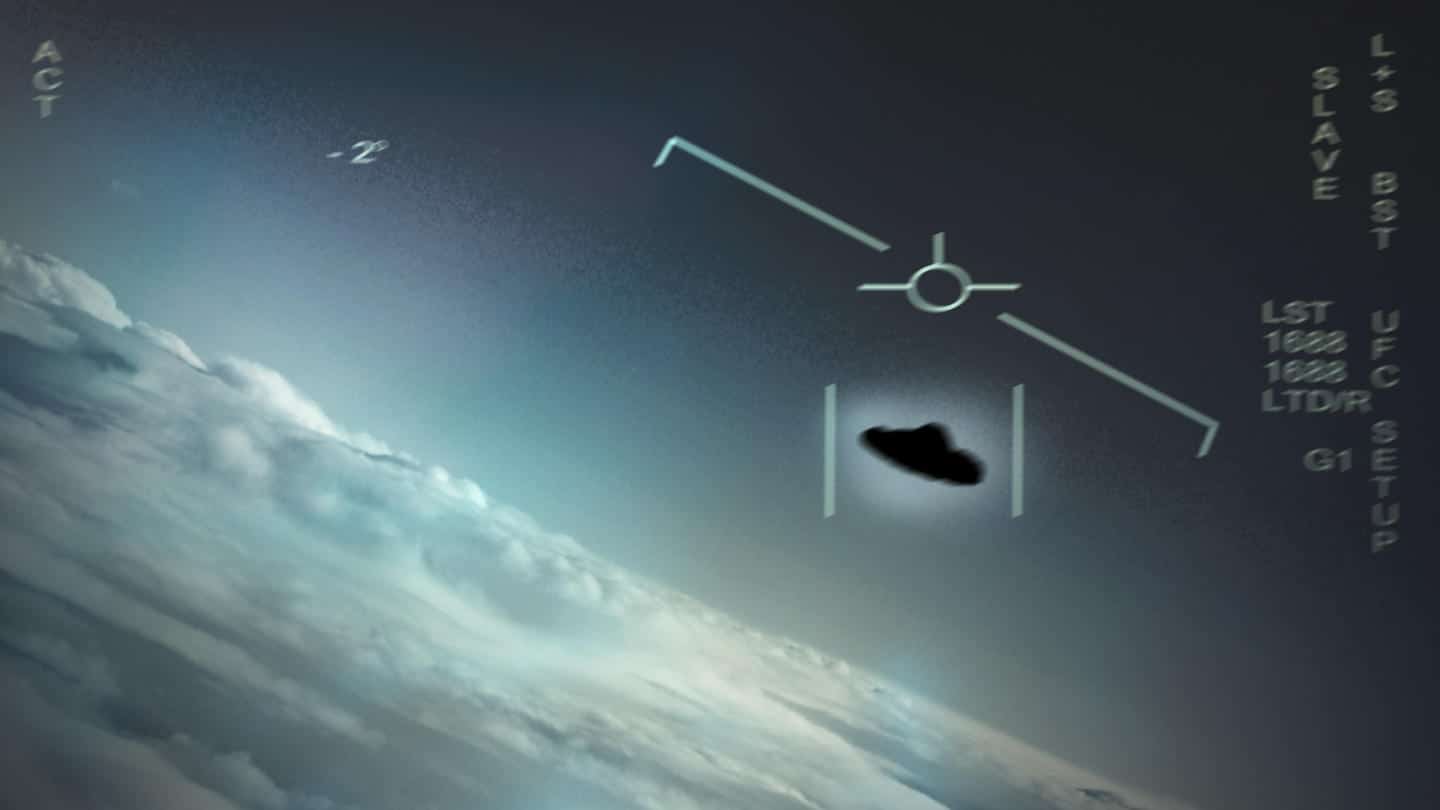
Pentagon Formed A New Group To Investigate UFO Reports
Space Debris Problem Is Getting Worse: Causes and Removal Efforts of Rambling Junk

From New Zealand to the US: The Rocket Lab Story
Here Is Blue Origin’s Touristic Rocket: The New Shepard Design

Take a Look at Earth From Space: Glasgow, Scotland

NASA Is Preparing Next Generation Spacesuits for Moon Mission and Beyond
Remote-control cars to race on the Moon in 2021
Meteorite makes Indonesian man a millionaire as piece crashes through his roof
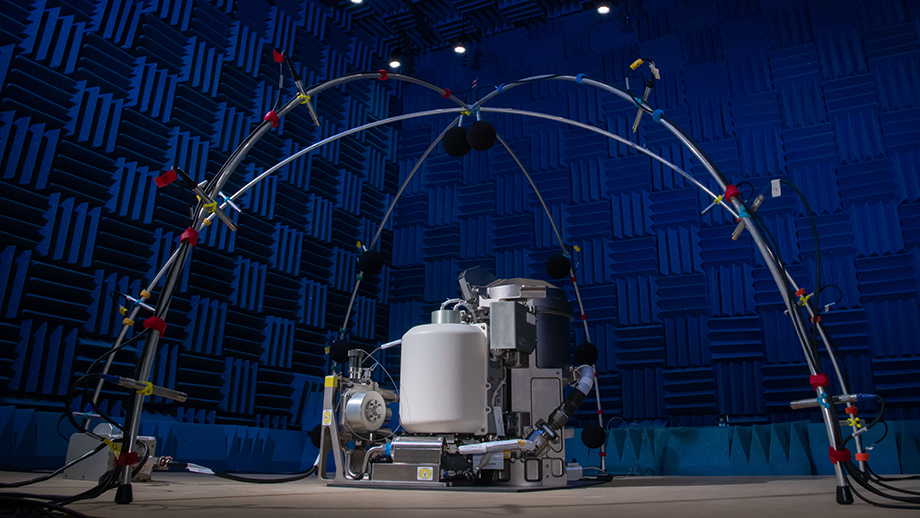
NASA sends a new Space toilet for astronauts to ISS

 Earth & Energy5 years ago
Mariana Trench: 8 Fascinating Facts About the Earth’s Deepest Place

 Space6 years ago
10 most famous scientists who contributed to astronomy and space
- Skywatching6 years ago
Top 25 extremely stunning photos of Northern Lights of 2020 revealed
- Engineering6 years ago
Meteorite makes Indonesian man a millionaire as piece crashes through his roof

 Science5 years ago
It’s Now Possible to Predict Blood Cancer With Ten-Second Videos
 Engineering5 years ago
This Inexpensive Method Speeds up Analysis of 3D Printed Metal Parts
- Infographic6 years ago
SpaceX Dragon: A Game Changer for NASA

 Earth & Energy3 years ago
Tiny fish, big boom: This small fish found to roar like a gunshot