
Science
Time Travel: Dream or Reality? Exploring the Possibilities and Paradoxes


The concept of time travel has captivated humanity for centuries, fueling countless science fiction stories and intriguing physicists alike. From the iconic TV show Doctor Who to classic films like Back to the Future, the allure of traversing time has sparked our imaginations and raised profound questions about the nature of time itself. But is time travel truly possible? Can we ever hope to build a machine that allows us to visit the past or leap into the future?
To answer these questions, we must delve into the intricate workings of time, a concept that physicists are still striving to fully comprehend. Based on our current understanding, it appears that traveling to the future is within the realm of possibility, while venturing into the past remains a formidable challenge, if not an outright impossibility.
Einstein’s Relativity and the Nature of Time
Albert Einstein’s theories of relativity revolutionized our understanding of space, time, mass, and gravity. One of the key takeaways from relativity is that time is not a constant, immutable entity. Instead, it can speed up or slow down depending on various factors.
“This is where time travel can come in, and it is scientifically accurate, with real-world repercussions,” explains Emma Osborne, an astrophysicist at the University of York, UK.
One way time can be manipulated is through speed. As an object approaches the speed of light, time slows down for that object relative to a stationary observer. This phenomenon, known as time dilation, is illustrated by the famous twin paradox. If one twin embarks on a high-speed space journey while the other remains on Earth, the traveling twin will age slower than their Earthbound sibling. Upon returning to Earth, the spacefaring twin would be younger than their twin.
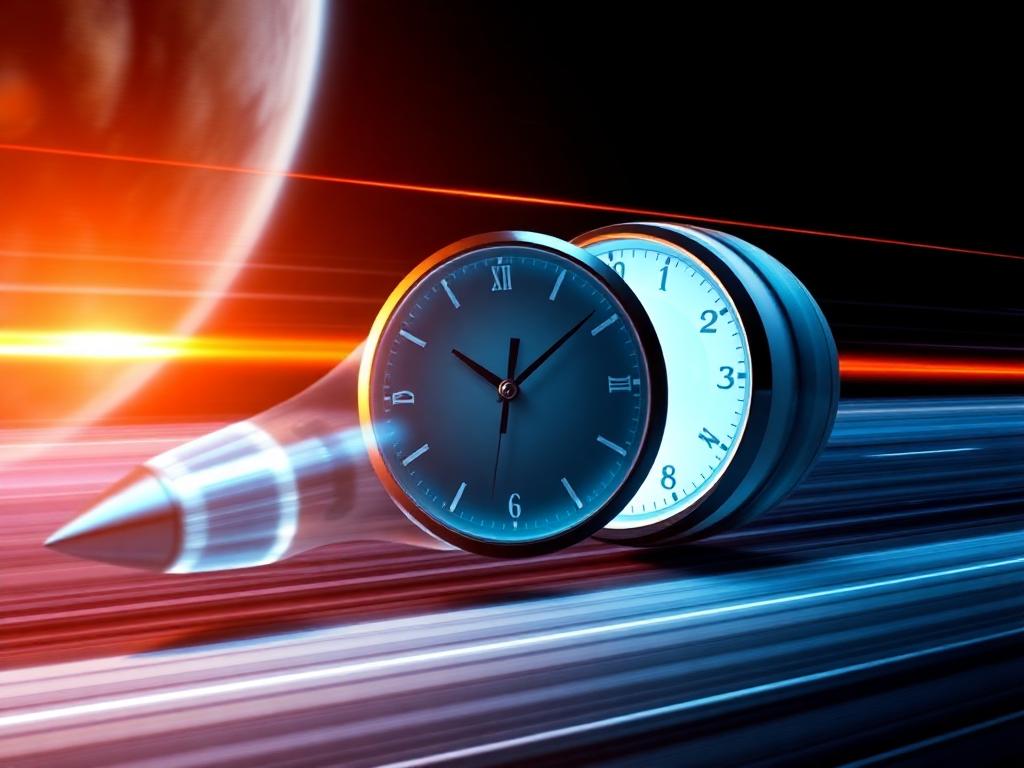
Gravity also plays a role in time dilation. The stronger the gravitational field, the slower time passes. This effect is noticeable even on Earth, albeit on a minuscule scale. “Your head is aging quicker than your feet because Earth’s gravity is stronger at your feet,” Osborne points out.
While these relativistic effects are generally too small to be noticed in everyday life, they have practical implications for technologies like GPS. The atomic clocks on GPS satellites, orbiting high above Earth, experience time slightly faster than clocks on the ground. To maintain accuracy, these clocks must be continuously adjusted. “If we didn’t, Google Maps would be wrong about 10km (six miles) a day,” Osborne notes.
Traveling to the Future: A Real Possibility
According to relativity, time travel to the future is achievable, albeit not in the way often depicted in science fiction. We don’t necessarily need a DeLorean or a TARDIS; instead, we need to harness the power of speed or gravity.
By traveling at speeds approaching the speed of light or venturing into an intense gravitational field, such as that of a black hole, we can experience time dilation. While we would only experience a short amount of subjective time, decades or even centuries could pass in the rest of the universe. This offers a potential pathway to witness the distant future.

Journeying to the Past: A Thorny Challenge
In stark contrast to the feasibility of future time travel, traveling to the past presents a far more daunting challenge. “It may or may not be possible,” says Barak Shoshany, a theoretical physicist at Brock University in Canada. “What we have right now is just insufficient knowledge, possibly insufficient theories.”
Relativity offers some theoretical avenues for backward time travel, but they are fraught with complexities and uncertainties. One such concept is the closed time-like curve, a path through spacetime that loops back on itself. In theory, someone following such a path would eventually arrive back at the same point in spacetime where they started.
However, the existence of closed time-like curves remains purely theoretical, with no observational evidence to support them. Moreover, even if they do exist, it’s unclear how we could create or harness them for time travel purposes.
Another theoretical possibility is the existence of wormholes, hypothetical tunnels connecting two distant points in spacetime. While mathematically possible within the framework of general relativity, wormholes have never been observed. Even if they do exist, they are likely to be incredibly unstable and short-lived, collapsing under their own gravity before anything could pass through them.
Quantum Mechanics and the Intricacies of Time
While relativity governs the macroscopic world, quantum mechanics delves into the realm of the very small, describing the behavior of subatomic particles. The quantum world is full of counterintuitive phenomena, and some physicists believe it might hold clues to the possibility of time travel.
One such phenomenon is non-locality, where entangled particles can instantaneously influence each other, regardless of the distance between them. This “spooky action at a distance,” as Einstein called it, has been experimentally confirmed, but it challenges our understanding of causality and the flow of time.
Some physicists have proposed alternative interpretations of non-locality that involve retrocausality, the idea that events in the future can influence the past. While this concept might seem like a potential pathway to time travel, it remains highly speculative and controversial.
Even if retrocausality is real, it’s unlikely to lead to the kind of time travel we see in science fiction. The effects observed so far have been limited to tiny particles, and scaling them up to macroscopic objects like humans seems incredibly difficult, if not impossible.
The Quest for a Unified Theory
Our current understanding of time travel is limited by the incomplete nature of our physical theories. Relativity and quantum mechanics, while successful in their respective domains, are incompatible with each other. This suggests the need for a deeper, more fundamental theory that unifies these two pillars of modern physics.
Until we have such a unified theory, the true nature of time and the possibilities of time travel will remain shrouded in mystery. “Until we have that theory, we cannot be sure,” Shoshany emphasizes.
While the dream of time travel continues to inspire and intrigue, the reality remains elusive. Based on our current knowledge, traveling to the future seems plausible, but journeying to the past remains a distant prospect, confined to the realm of science fiction for now.

Mariana Trench: 8 Fascinating Facts About the Earth’s Deepest Place
10 most famous scientists who contributed to astronomy and space

Top 25 extremely stunning photos of Northern Lights of 2020 revealed

Meteorite makes Indonesian man a millionaire as piece crashes through his roof
It’s Now Possible to Predict Blood Cancer With Ten-Second Videos
This Inexpensive Method Speeds up Analysis of 3D Printed Metal Parts

SpaceX Dragon: A Game Changer for NASA

Tiny fish, big boom: This small fish found to roar like a gunshot

Turkish city unveils design of Mars Colony project for tourists

Researchers Reveal the Source of the Electron Rain Phenomenon

A New Study Reveals How Climate Change Will Affect Sound Travels Underwater
Here Are 6 Space Technologies We Can Benefit to Improve Life on Earth
SpaceX Announced Crew Dragon Will No Longer Be Produced
Russia Warns Sanctions on Moscow Could Endanger the ISS
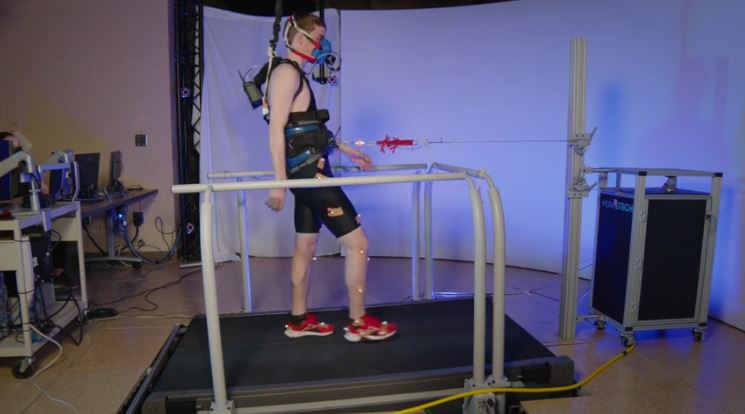
A New Study Reveals How to Make Walking Easier

Remote-control cars to race on the Moon in 2021
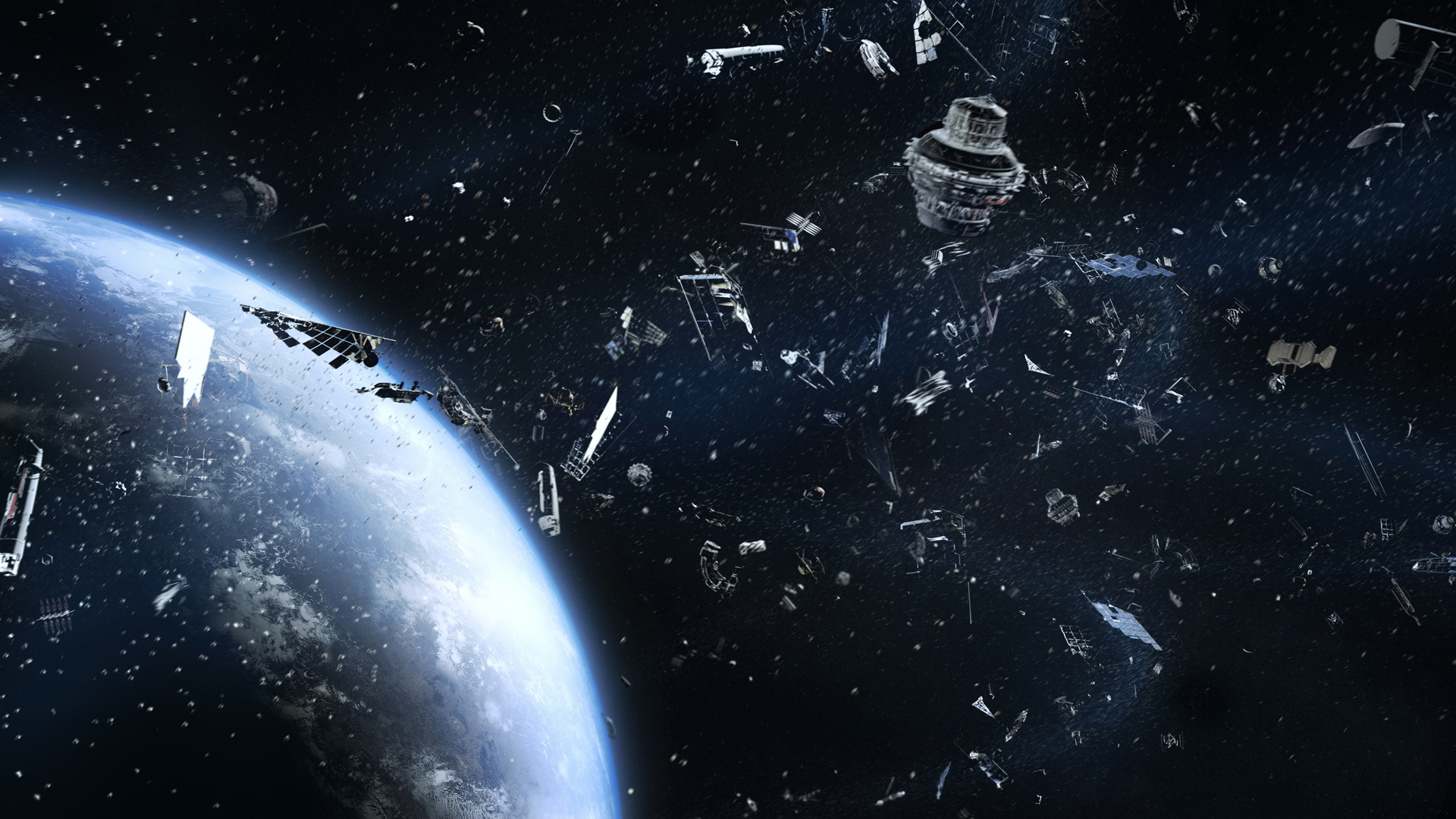
Space Debris Problem Is Getting Worse: Causes and Removal Efforts of Rambling Junk

Microplastic Pollution Detected in Human Blood for the First Time

Nvidia CEO declares coding’s end in AI era
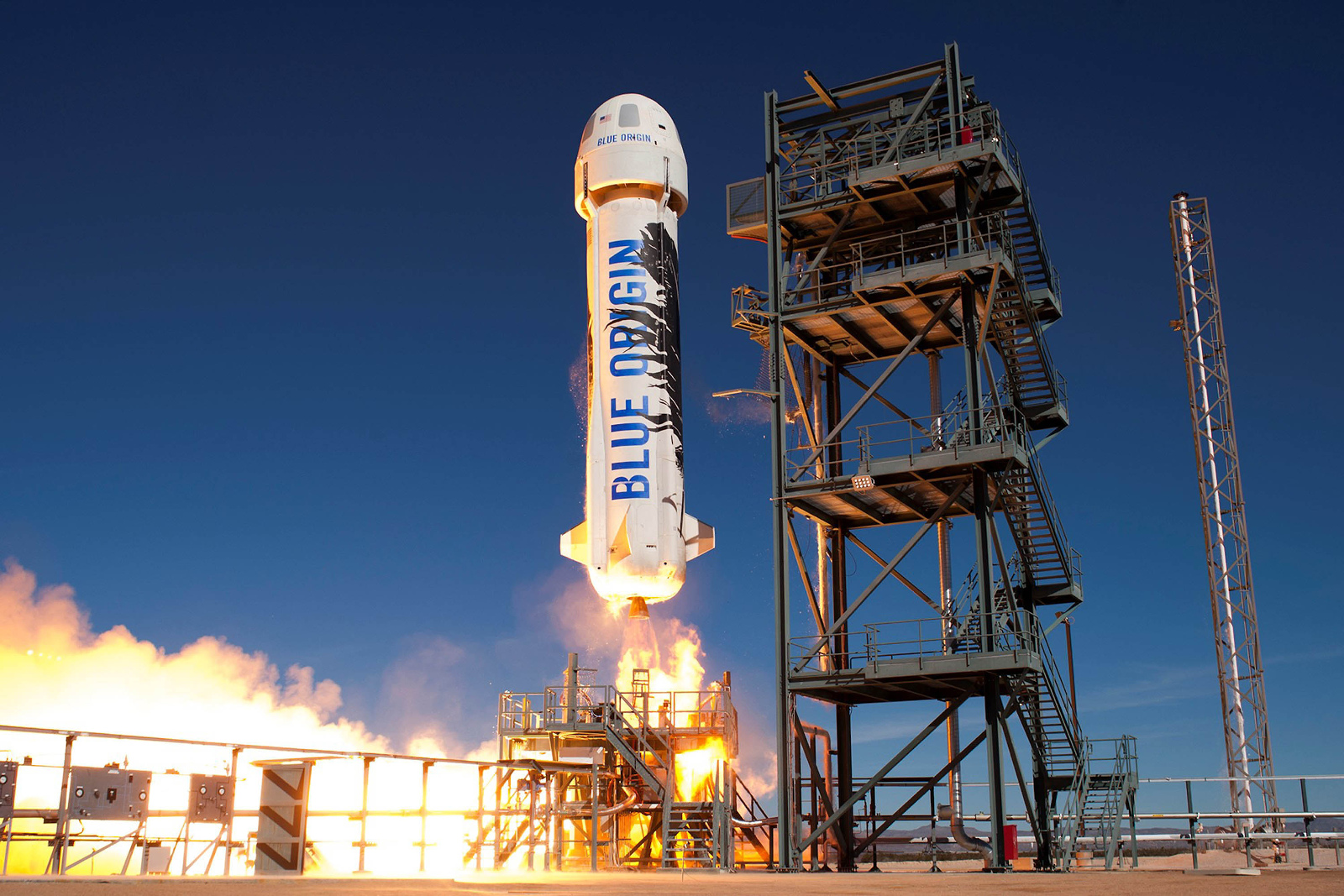
Here Is Blue Origin’s Touristic Rocket: The New Shepard Design
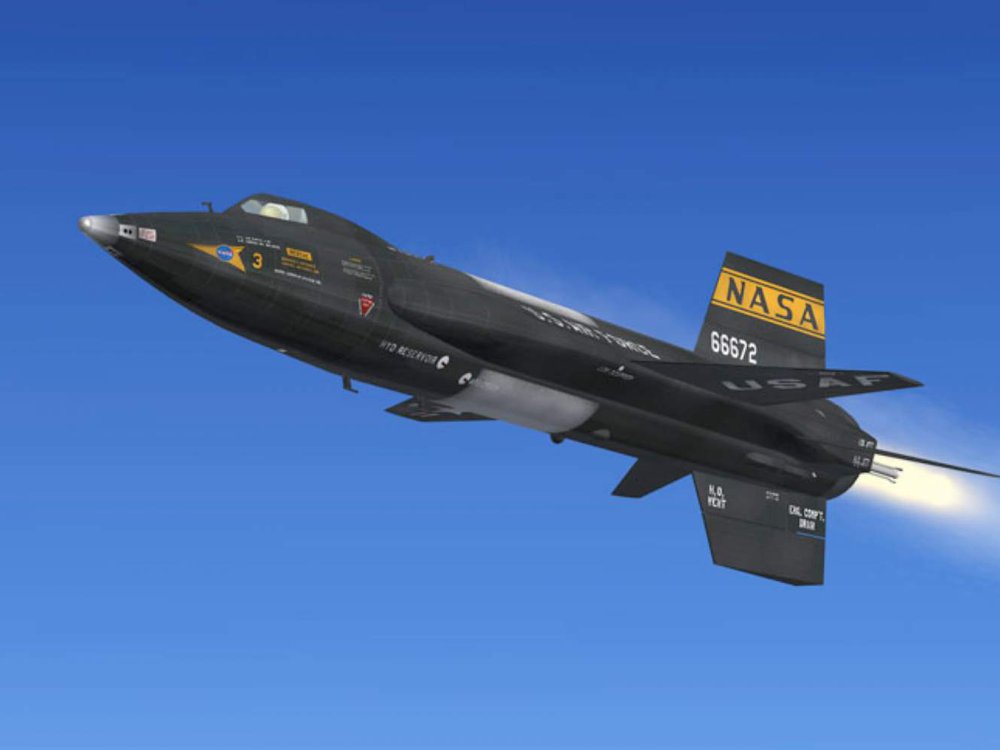
The Fastest Manned Plane in the World: Here’s The Insane Engineering of the X-15
Here Are 6 Space Technologies We Can Benefit to Improve Life on Earth
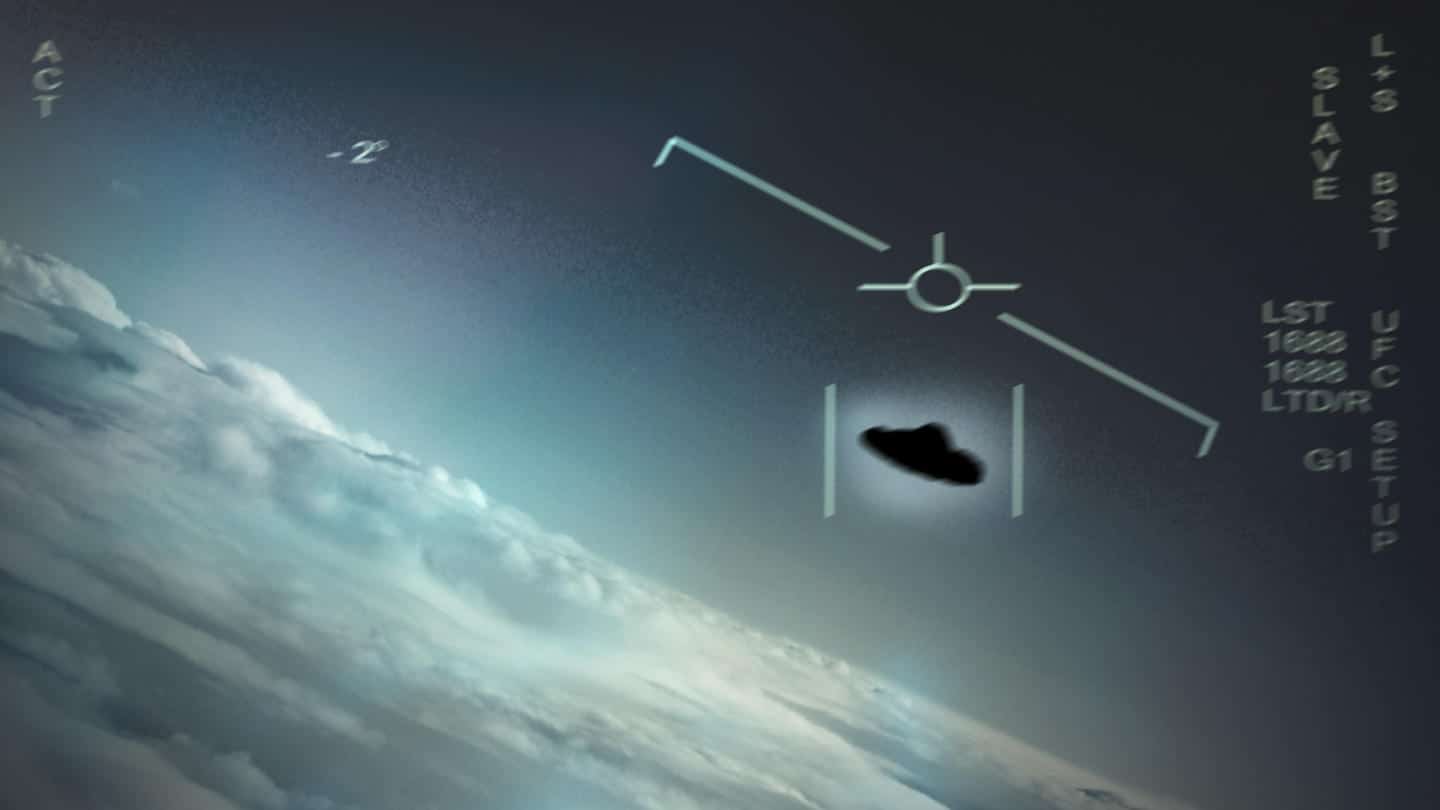
Pentagon Formed A New Group To Investigate UFO Reports
Space Debris Problem Is Getting Worse: Causes and Removal Efforts of Rambling Junk
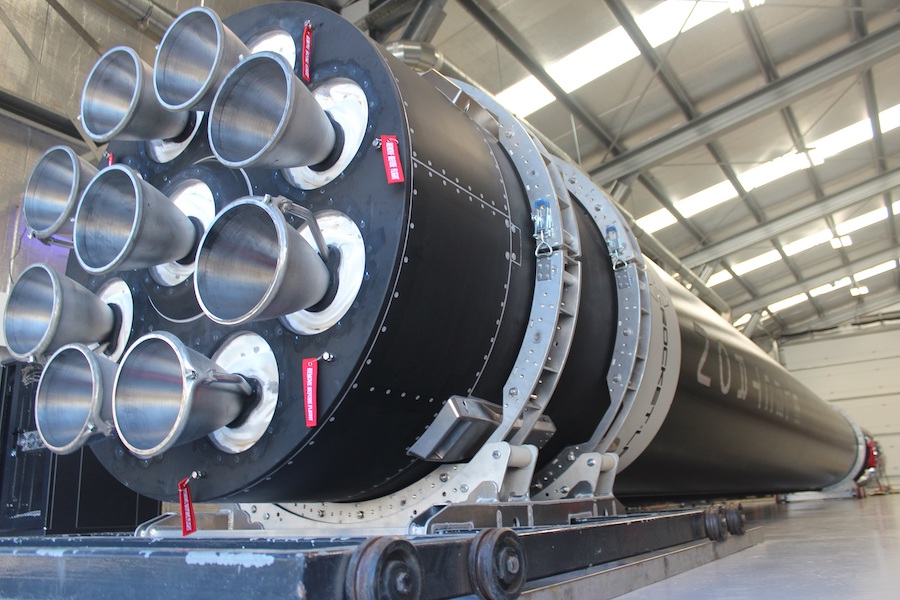
From New Zealand to the US: The Rocket Lab Story
Here Is Blue Origin’s Touristic Rocket: The New Shepard Design
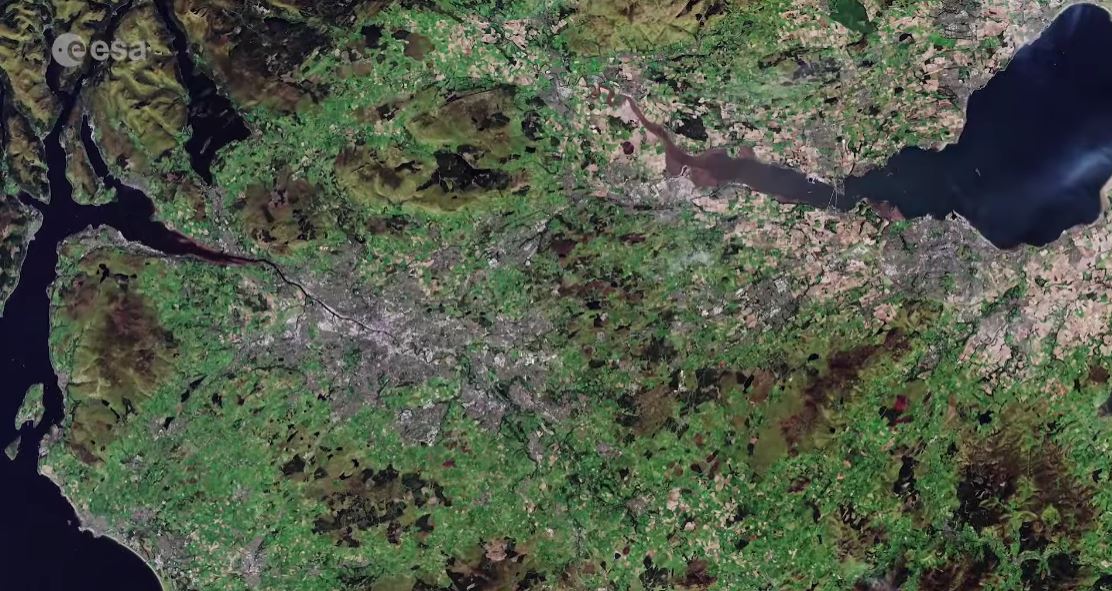
Take a Look at Earth From Space: Glasgow, Scotland
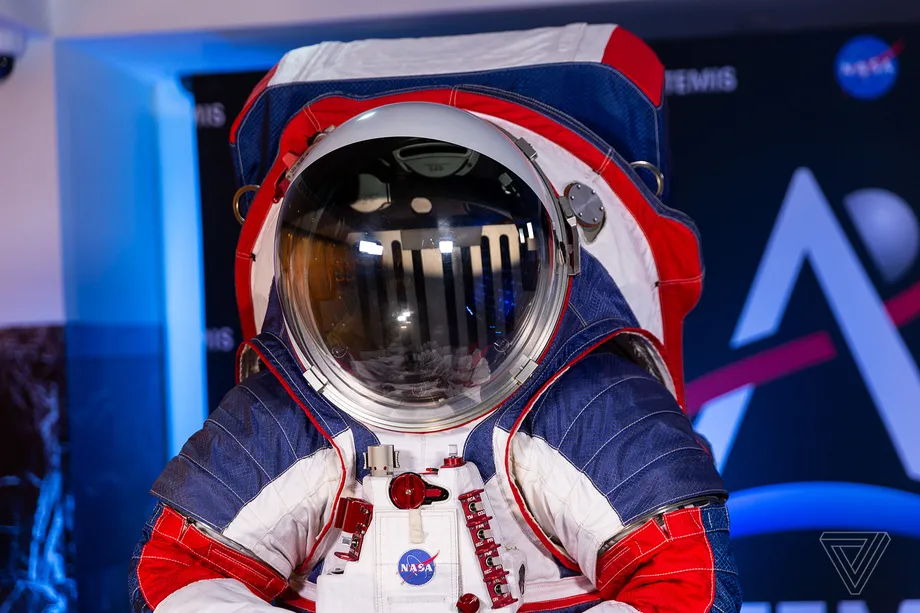
NASA Is Preparing Next Generation Spacesuits for Moon Mission and Beyond
Remote-control cars to race on the Moon in 2021
Meteorite makes Indonesian man a millionaire as piece crashes through his roof
NASA sends a new Space toilet for astronauts to ISS

 Earth & Energy5 years ago
Mariana Trench: 8 Fascinating Facts About the Earth’s Deepest Place

 Space6 years ago
10 most famous scientists who contributed to astronomy and space
- Skywatching6 years ago
Top 25 extremely stunning photos of Northern Lights of 2020 revealed
- Engineering6 years ago
Meteorite makes Indonesian man a millionaire as piece crashes through his roof

 Science5 years ago
It’s Now Possible to Predict Blood Cancer With Ten-Second Videos
 Engineering5 years ago
This Inexpensive Method Speeds up Analysis of 3D Printed Metal Parts
- Infographic6 years ago
SpaceX Dragon: A Game Changer for NASA

 Earth & Energy3 years ago
Tiny fish, big boom: This small fish found to roar like a gunshot