
Tech
Artificial intelligence in agriculture: A new age of farming
The AI technologies will be useful to predict the weather and other conditions related to agriculture.


Agriculture plays a critical role in economic sector as population growth in countries around the globe goes hand in hand with the demand of foods. Governments put big concern on the innovation in agriculture in order to secure food supplies in consideration of Artificial intelligence, or AI in agriculture that emerges a game changer in the industry.
In today’s world, social and environmental challenges such as demands for decent income and working condition from farmers, scarcity of natural resources like phosphorus in fertilizers and oil for energy, climate change, contamination or degradation of the environment have become major issues for agriculture.
Benefits of using AI in agriculture
The use of technology in agriculture offers many benefits not only for farmers but also national food security. The technologies which are AI-based have enhanced crop production and improved real-time monitoring, harvesting, processing and marketing.
AI-based equipment and machine are new tools for farmers to optimize management of resources, improve crop quality and quantity, and remain productive in climate changing. Farmers can also use big data to make more informed decision.
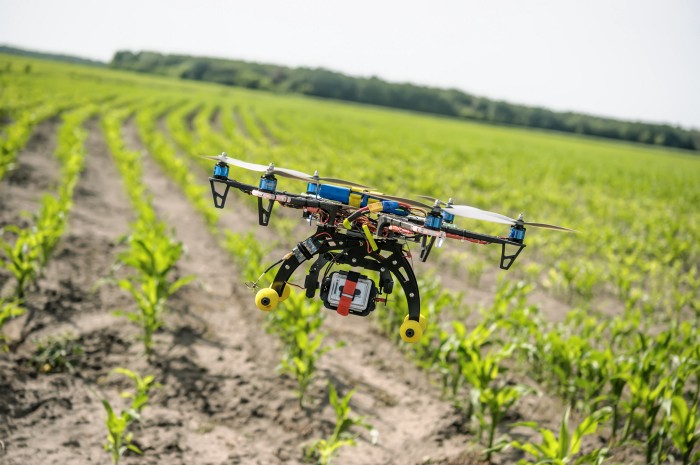
Photo: Medium
A number of traditional farmers in many countries are dependent on monsoon for their cultivation. They mainly depend on the weather forecast of a particular department. Their dependence on information from external parties will slow down the cultivation process.
The AI technologies will be useful to predict the weather and other conditions related to agriculture such as the quality of soil, groundwater level, pest attack and crop cycle. AI empowered sensors that will be useful to extract data. Data from sensors in the field that monitor crop moisture, soil composition and temperature help AI improve production and know when crops need watering.
Drones as technological advancement are also used in agriculture to monitor conditions that allow AI system to know the best time to plant, spray, harvest crops and prevent unforeseen challenges that may occur.
AI in agriculture: How Singapore farms use artificial intelligence
Farmers use a drone to capture data on crop growth and control water and energy usage. Data obtained from drone can provided accurate information for farmers to analyze large-scale farming practices and therefore labor and equipment costs can be predicted.
The agricultural industry faces various challenges such as lack of effective irrigation systems, weeds, issues with plant monitoring due to crop height and extreme weather condition. Embracing new technological ideas and concepts can be a benefit for the food supply chain in the long run.
The use of AI in agriculture, however, can be costly to some extent. Partnerships between government and agribusiness stakeholders should be built in order to optimize agricultural systems particularly to empower farmers with innovation and technology so that they can compete in the new age of farming.
Area of organic agriculture in Asia 2019, by arable crop group (in hectares) by Statista
[h5p id=”7″]

Mariana Trench: 8 Fascinating Facts About the Earth’s Deepest Place

10 most famous scientists who contributed to astronomy and space

Top 25 extremely stunning photos of Northern Lights of 2020 revealed

Meteorite makes Indonesian man a millionaire as piece crashes through his roof
It’s Now Possible to Predict Blood Cancer With Ten-Second Videos
This Inexpensive Method Speeds up Analysis of 3D Printed Metal Parts

SpaceX Dragon: A Game Changer for NASA
Tiny fish, big boom: This small fish found to roar like a gunshot

Turkish city unveils design of Mars Colony project for tourists

Researchers Reveal the Source of the Electron Rain Phenomenon

A New Study Reveals How Climate Change Will Affect Sound Travels Underwater
Here Are 6 Space Technologies We Can Benefit to Improve Life on Earth
SpaceX Announced Crew Dragon Will No Longer Be Produced
Russia Warns Sanctions on Moscow Could Endanger the ISS
A New Study Reveals How to Make Walking Easier

Remote-control cars to race on the Moon in 2021

Space Debris Problem Is Getting Worse: Causes and Removal Efforts of Rambling Junk

Microplastic Pollution Detected in Human Blood for the First Time

Nvidia CEO declares coding’s end in AI era
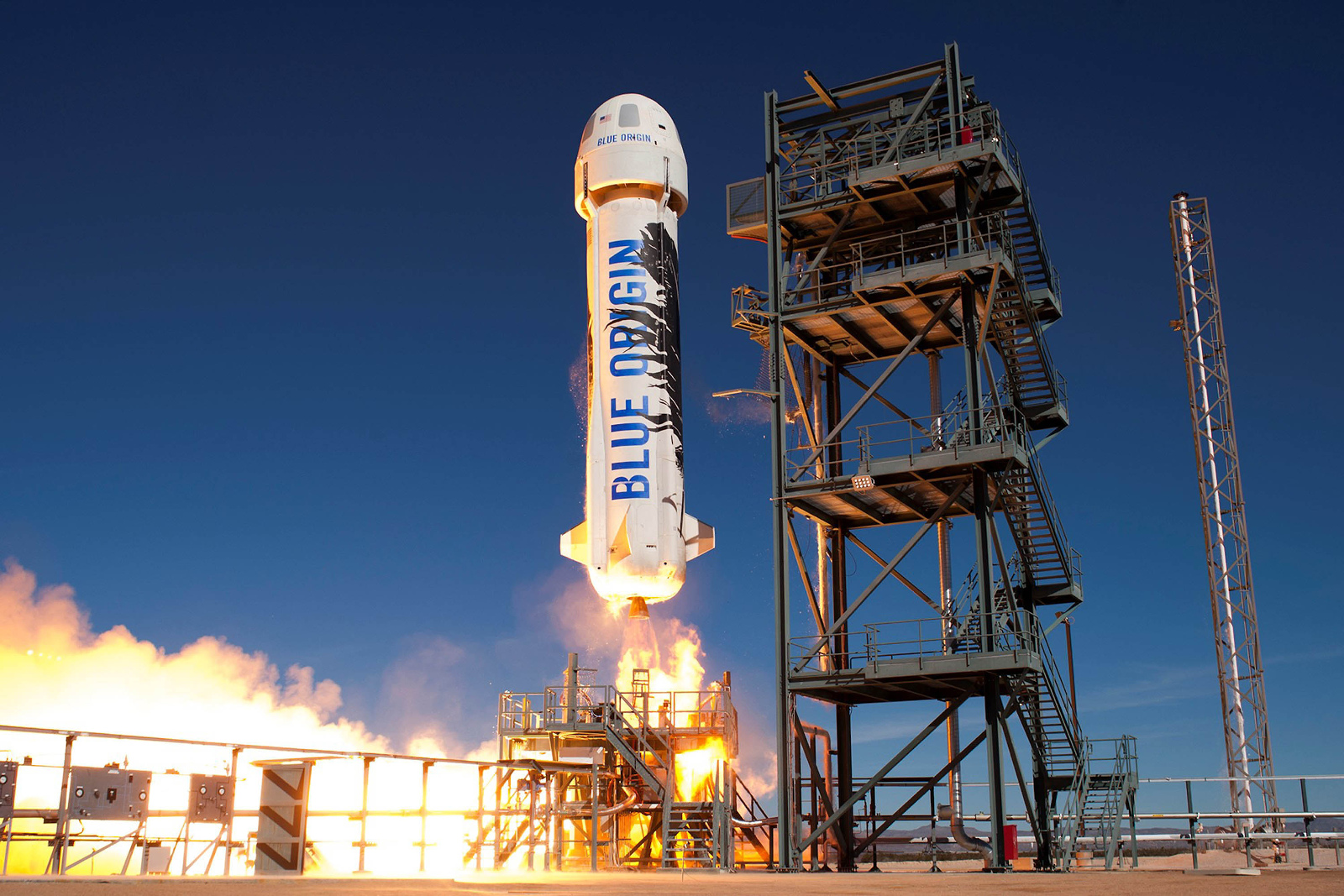
Here Is Blue Origin’s Touristic Rocket: The New Shepard Design
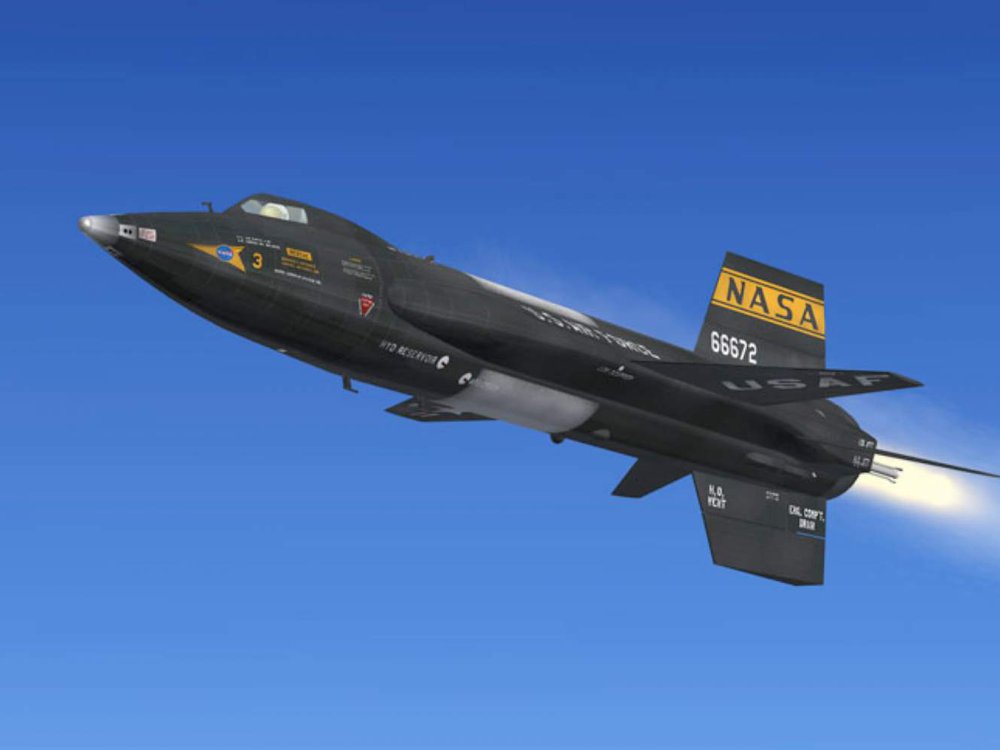
The Fastest Manned Plane in the World: Here’s The Insane Engineering of the X-15
Here Are 6 Space Technologies We Can Benefit to Improve Life on Earth

Pentagon Formed A New Group To Investigate UFO Reports
Space Debris Problem Is Getting Worse: Causes and Removal Efforts of Rambling Junk
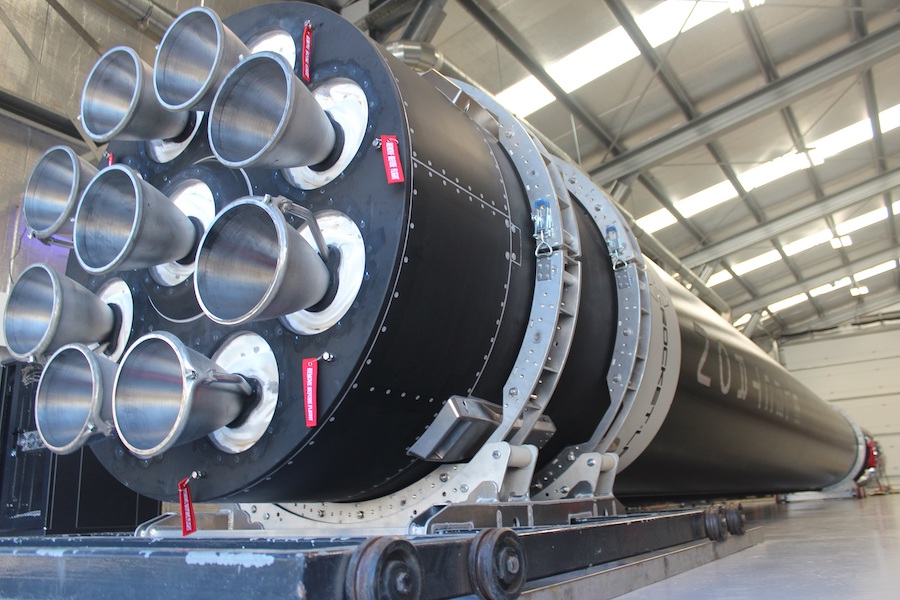
From New Zealand to the US: The Rocket Lab Story
Here Is Blue Origin’s Touristic Rocket: The New Shepard Design
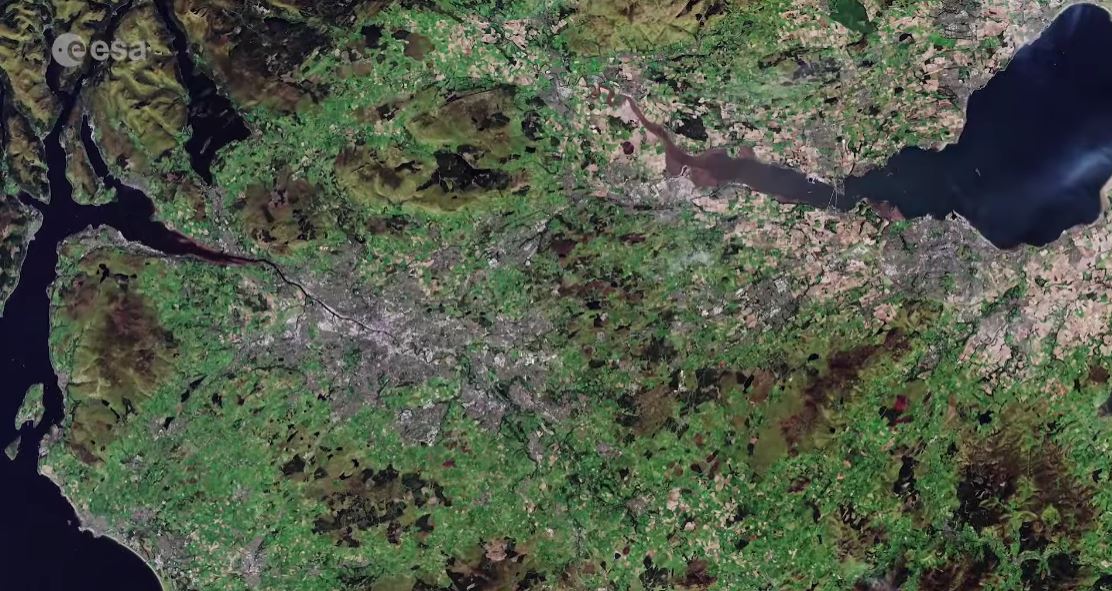
Take a Look at Earth From Space: Glasgow, Scotland

NASA Is Preparing Next Generation Spacesuits for Moon Mission and Beyond
Remote-control cars to race on the Moon in 2021
Meteorite makes Indonesian man a millionaire as piece crashes through his roof
NASA sends a new Space toilet for astronauts to ISS

 Earth & Energy5 years ago
Mariana Trench: 8 Fascinating Facts About the Earth’s Deepest Place

 Space6 years ago
10 most famous scientists who contributed to astronomy and space
- Skywatching6 years ago
Top 25 extremely stunning photos of Northern Lights of 2020 revealed
- Engineering6 years ago
Meteorite makes Indonesian man a millionaire as piece crashes through his roof

 Science5 years ago
It’s Now Possible to Predict Blood Cancer With Ten-Second Videos
 Engineering5 years ago
This Inexpensive Method Speeds up Analysis of 3D Printed Metal Parts
- Infographic6 years ago
SpaceX Dragon: A Game Changer for NASA

 Earth & Energy3 years ago
Tiny fish, big boom: This small fish found to roar like a gunshot