
Space
The Origin of Why Planets in the Solar System Orbit in a Single Plane
It started with a big swirling clump of clouds.


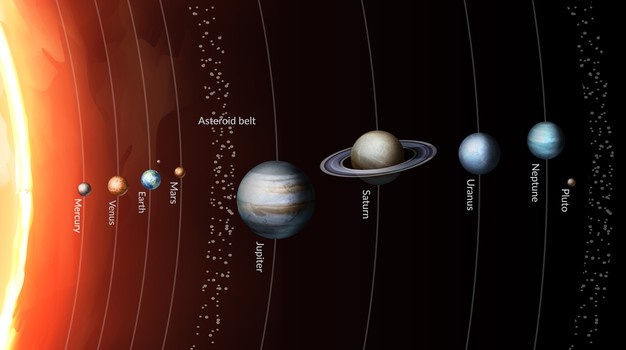
You must be familiar with the shape of our solar system. You may recall seeing your teacher demonstrate a miniature solar system when you were in elementary school. If you look closely, you’ll see our solar system is orderly arranged, with its planets constantly revolve in the same plane.
But, how did that happen? To discover out, let us journey back in time to the early formation of the solar system.
That’s when the sun was initially formed
As reported in Live Science, according to an American astronomer at the University of Hawaii, Nader Haghighipour, our solar system was simply a huge, whirling cloud of dust and gas. That cloud was 12,000 astronomical units (AU) wide, in which 1 AU is approximately 93 million miles (150 million kilometers), and that equals the average distance between the earth and the sun.
Even though the cloud was only packed with dust and gas molecules, that enormous cloud grew even bigger that it began to collapse and shrink under its own weight. The whirling cloud of dust and gas flattened as it began to collapse.
This molecular, flattened cloud then started to contract as being pulled by the gravitational force towards its center. The gravitational pressure drove the gas molecules to heat up, causing hydrogen and helium atoms to fuse and begin a nuclear reaction that lasted billions of years, forming a small star that is now our sun.
The sun continued to grow in the following 50 million years by gathering dust and gas in its surroundings. It started to release waves of tremendous heat and radiation and gradually made an empty space around it.
Freepik
The cloud of dust and gas kept transforming
The process of the solar system formation did not stop there. The sun proceeded to form itself, as the cloud would again collapse. The cloud’s materials, such as atoms, composed of nuclei and electrons, remained and interacted as they collided with other materials, resulting in an elongated disk of materials.
The gravitational force pulled most of the materials inward to the center, where the star formed, while the elongated disk became flatter and broader around the sun in the core. The flattened disk, which was formerly the cloud, transformed into what’s called a protoplanetary disk, circling the newborn star.
According to Haghighipour in Live Science, “The disk stretched hundreds of AU across and was just one-tenth of that distance thick.” In the next tens of millions of years, the dust particles in the protoplanetary disk drifted around that they collided with one another.
Some of the colliding dust particles became entangled, growing into millimeter-long grains to centimeter-long pebbles. These pebbles kept colliding and being stuck together.
Over time, the materials that became entangled in the protoplanetary disk formed large objects. The existing gravitation built those objects into spherical planets, dwarf planets, and moons, following other oddly shaped objects, like asteroids, comets, and small moons.
Since then, these objects have remained where they first emerged. Hence, the eight planets of our solar system and the other celestial objects orbit at about the same altitude until today.
RELATED VIDEO: Solar System 101

Mariana Trench: 8 Fascinating Facts About the Earth’s Deepest Place
10 most famous scientists who contributed to astronomy and space

Top 25 extremely stunning photos of Northern Lights of 2020 revealed

Meteorite makes Indonesian man a millionaire as piece crashes through his roof
It’s Now Possible to Predict Blood Cancer With Ten-Second Videos
This Inexpensive Method Speeds up Analysis of 3D Printed Metal Parts

SpaceX Dragon: A Game Changer for NASA

Tiny fish, big boom: This small fish found to roar like a gunshot

Turkish city unveils design of Mars Colony project for tourists

Researchers Reveal the Source of the Electron Rain Phenomenon

A New Study Reveals How Climate Change Will Affect Sound Travels Underwater
Here Are 6 Space Technologies We Can Benefit to Improve Life on Earth
SpaceX Announced Crew Dragon Will No Longer Be Produced
Russia Warns Sanctions on Moscow Could Endanger the ISS
A New Study Reveals How to Make Walking Easier

Remote-control cars to race on the Moon in 2021
Space Debris Problem Is Getting Worse: Causes and Removal Efforts of Rambling Junk

Microplastic Pollution Detected in Human Blood for the First Time

Nvidia CEO declares coding’s end in AI era
Here Is Blue Origin’s Touristic Rocket: The New Shepard Design
The Fastest Manned Plane in the World: Here’s The Insane Engineering of the X-15
Here Are 6 Space Technologies We Can Benefit to Improve Life on Earth
Pentagon Formed A New Group To Investigate UFO Reports
Space Debris Problem Is Getting Worse: Causes and Removal Efforts of Rambling Junk
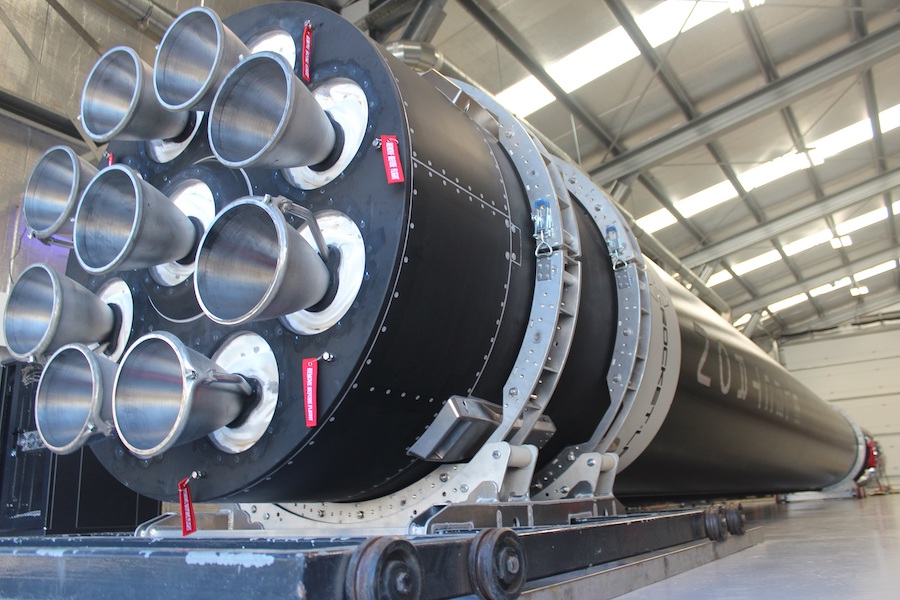
From New Zealand to the US: The Rocket Lab Story
Here Is Blue Origin’s Touristic Rocket: The New Shepard Design
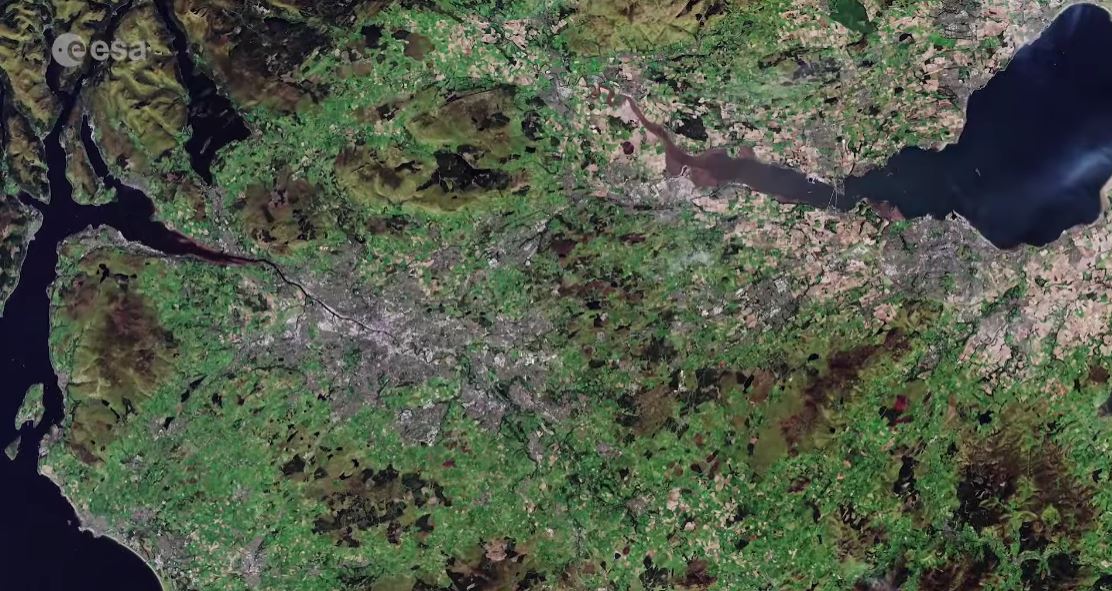
Take a Look at Earth From Space: Glasgow, Scotland
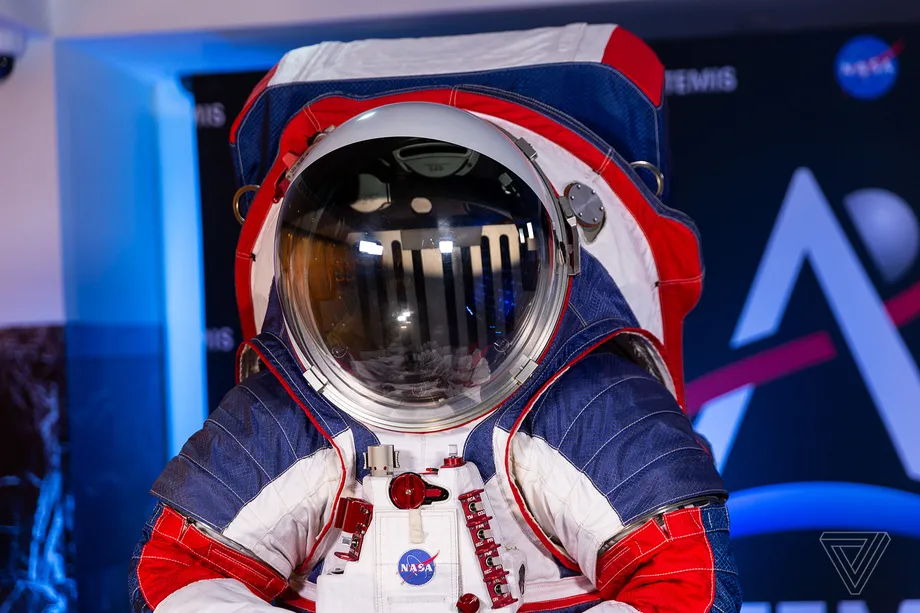
NASA Is Preparing Next Generation Spacesuits for Moon Mission and Beyond
Remote-control cars to race on the Moon in 2021
Meteorite makes Indonesian man a millionaire as piece crashes through his roof
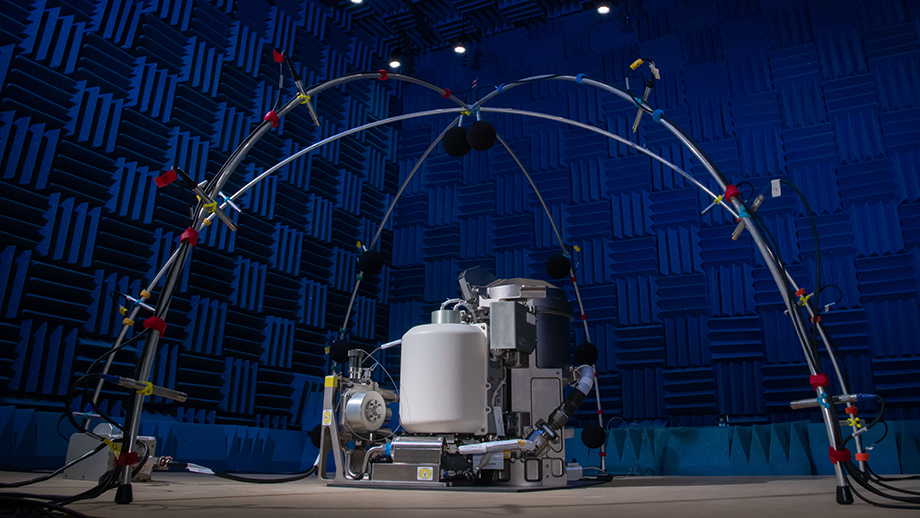
NASA sends a new Space toilet for astronauts to ISS

 Earth & Energy5 years ago
Mariana Trench: 8 Fascinating Facts About the Earth’s Deepest Place

 Space6 years ago
10 most famous scientists who contributed to astronomy and space
- Skywatching6 years ago
Top 25 extremely stunning photos of Northern Lights of 2020 revealed
- Engineering6 years ago
Meteorite makes Indonesian man a millionaire as piece crashes through his roof

 Science5 years ago
It’s Now Possible to Predict Blood Cancer With Ten-Second Videos
 Engineering5 years ago
This Inexpensive Method Speeds up Analysis of 3D Printed Metal Parts
- Infographic6 years ago
SpaceX Dragon: A Game Changer for NASA

 Earth & Energy3 years ago
Tiny fish, big boom: This small fish found to roar like a gunshot