
Tech
Can Facial Expressions Make You Trust Robots? This Question Is Answered
“Robots with a human likeness, but only up to a certain point.”

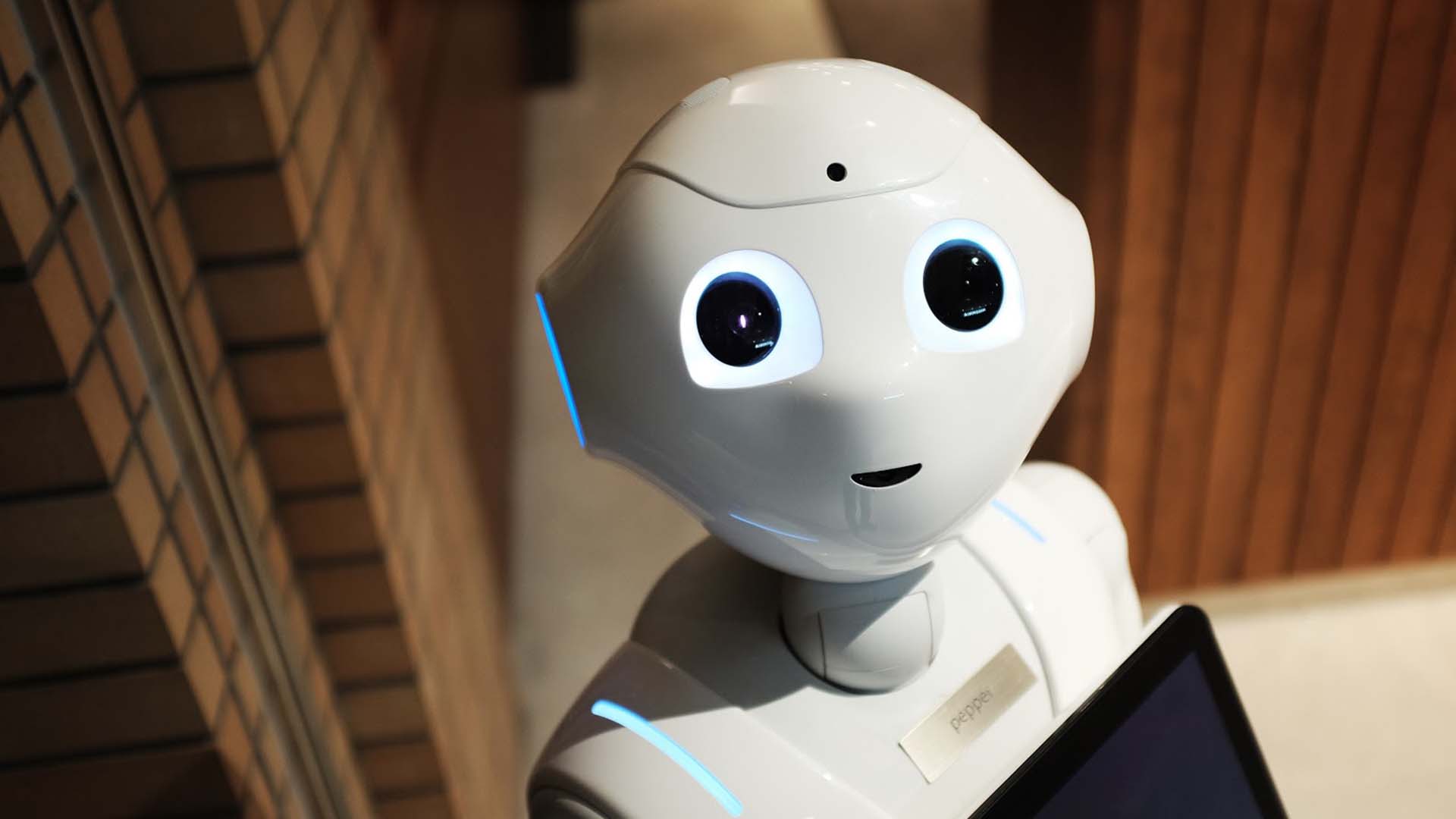
Would you believe it when you heard that you would have a robot maid at home and another robot would treat you in a hospital? Technology is advancing at a dizzying pace, and robots with facial expressions on them have already started to take place in our lives. Then, the provoking question is how we will trust them.
A robot called “Pepper” was developed by a Japanese telecommunications giant Softbank. Pepper is the first robot in the world that reads emotions, and robots are already situated in hospitals to revolutionize complex procedures with high precision and even care homes with a role to reduce the stress of loneliness, according to an article published on The Conversation.
Apparently, a period when robots will take more place in our lives is not far away. The crucial point is the matter of trust in this case. An investigation conducted by Joel Pinney, PhD candidate in data visualization, robotics, and creative computing of Cardiff Metropolitan University, revealed that only 31% of participants involved in the research said they would trust a robot doctor in daily life.
“To establish how to build a robot that exuded trustworthiness, I began to look into a range of facial expressions, designs, and modifications to the Canbot-U03 robot,” said Pinney. “Once I’d found my robot, I decided to incorporate psychological research which has suggested that facial expressions can help to determine trustworthiness. Smiling indicates a trusting nature while angry expressions are associated with dishonesty, for example.”
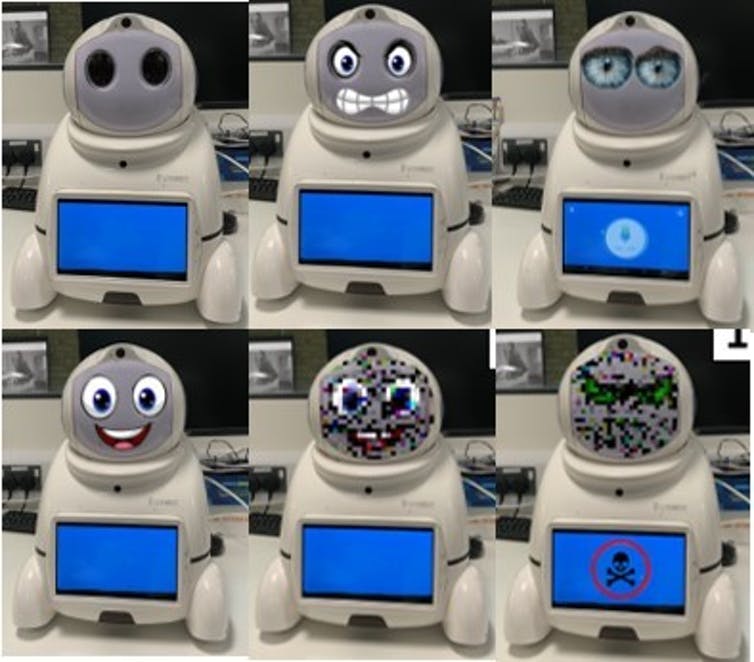
The Conversation
What the participants think of facial expressions on robots
According to the research, people said they would trust those robots with smiling faces on them while distorted and angry faces were not accepted due to their unreliability. What makes the research interesting is that 86 of the participants disliked the appearance of a robot with human eyes. Pinney pointed out that requests of the participants concerning a robot included “a face, a mouth, and eyes but – crucially – not an identical representation of human features.” That is to say, they are still in favor of a robot, but not a worrisome one.
“These findings align with a phenomenon called the ‘uncanny valley’ which states that we accept robots with a human likeness – but only up to a certain point,” according to Pinney. “Once we cross this point, and the robot looks too human, our acceptance of it can swiftly go from positive to negative.”

Mariana Trench: 8 Fascinating Facts About the Earth’s Deepest Place
10 most famous scientists who contributed to astronomy and space

Top 25 extremely stunning photos of Northern Lights of 2020 revealed

Meteorite makes Indonesian man a millionaire as piece crashes through his roof

It’s Now Possible to Predict Blood Cancer With Ten-Second Videos
This Inexpensive Method Speeds up Analysis of 3D Printed Metal Parts

SpaceX Dragon: A Game Changer for NASA

Tiny fish, big boom: This small fish found to roar like a gunshot

Turkish city unveils design of Mars Colony project for tourists

Researchers Reveal the Source of the Electron Rain Phenomenon

A New Study Reveals How Climate Change Will Affect Sound Travels Underwater
Here Are 6 Space Technologies We Can Benefit to Improve Life on Earth
SpaceX Announced Crew Dragon Will No Longer Be Produced
Russia Warns Sanctions on Moscow Could Endanger the ISS
A New Study Reveals How to Make Walking Easier

Remote-control cars to race on the Moon in 2021
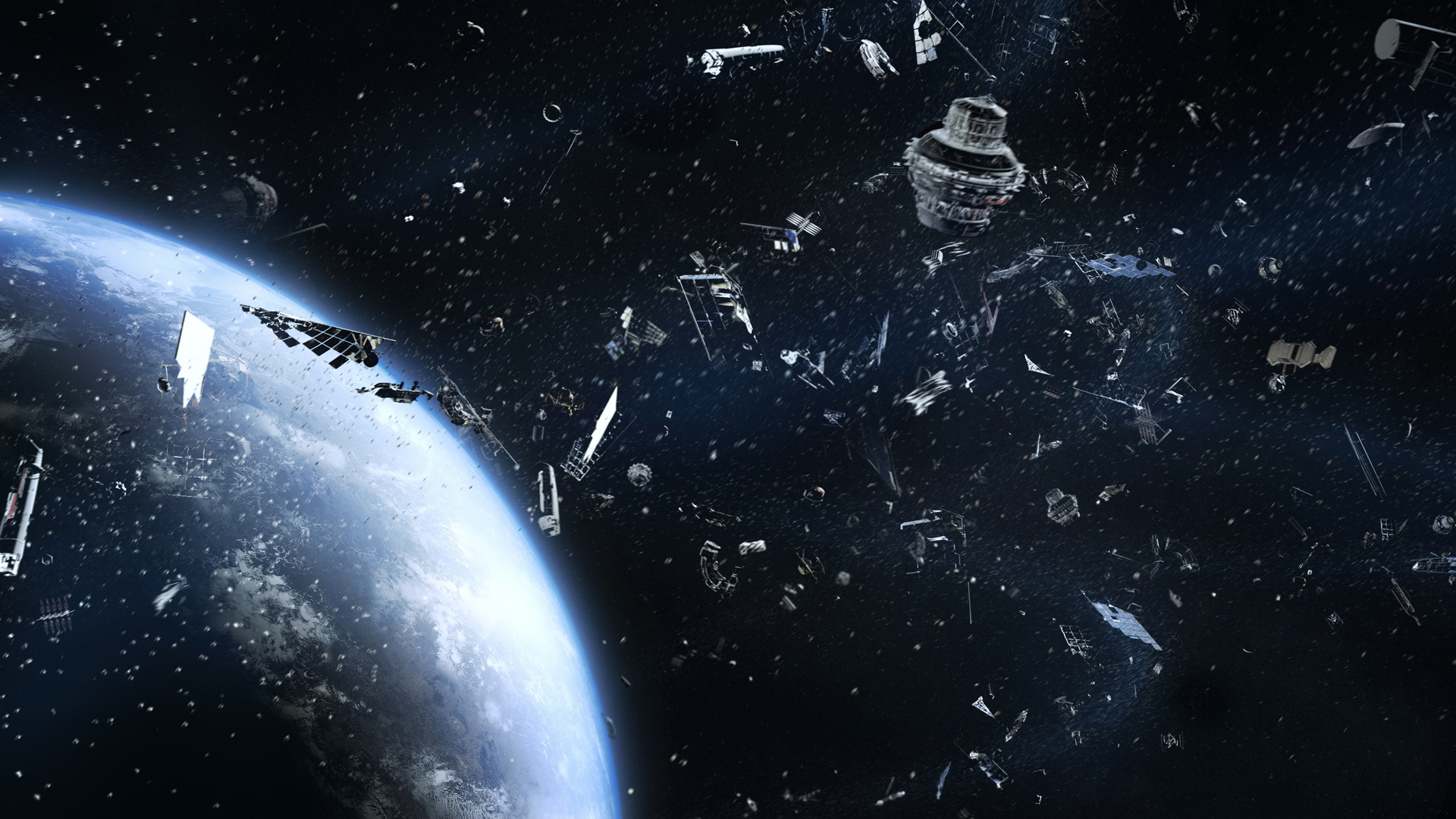
Space Debris Problem Is Getting Worse: Causes and Removal Efforts of Rambling Junk

Microplastic Pollution Detected in Human Blood for the First Time

Nvidia CEO declares coding’s end in AI era
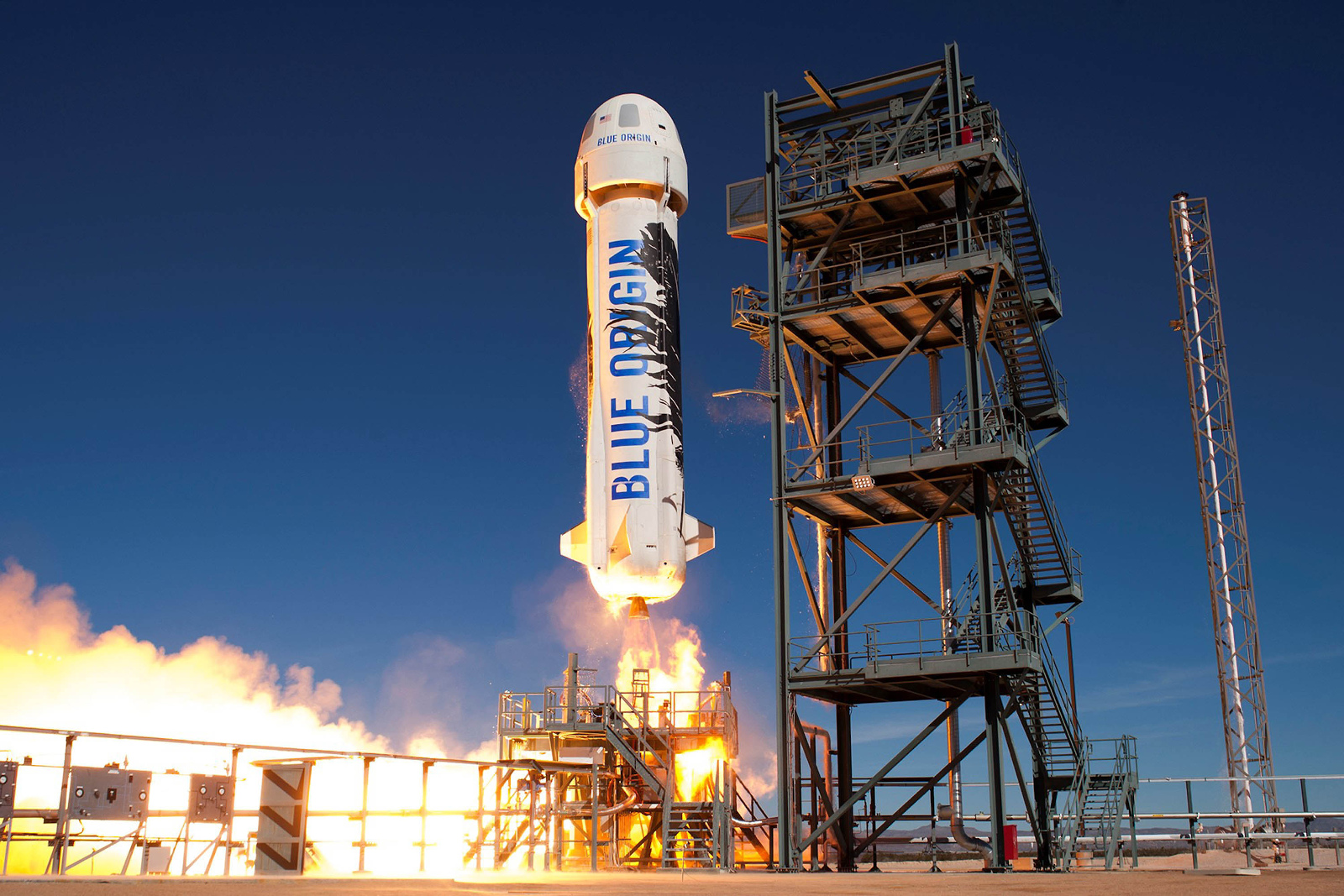
Here Is Blue Origin’s Touristic Rocket: The New Shepard Design

The Fastest Manned Plane in the World: Here’s The Insane Engineering of the X-15
Here Are 6 Space Technologies We Can Benefit to Improve Life on Earth
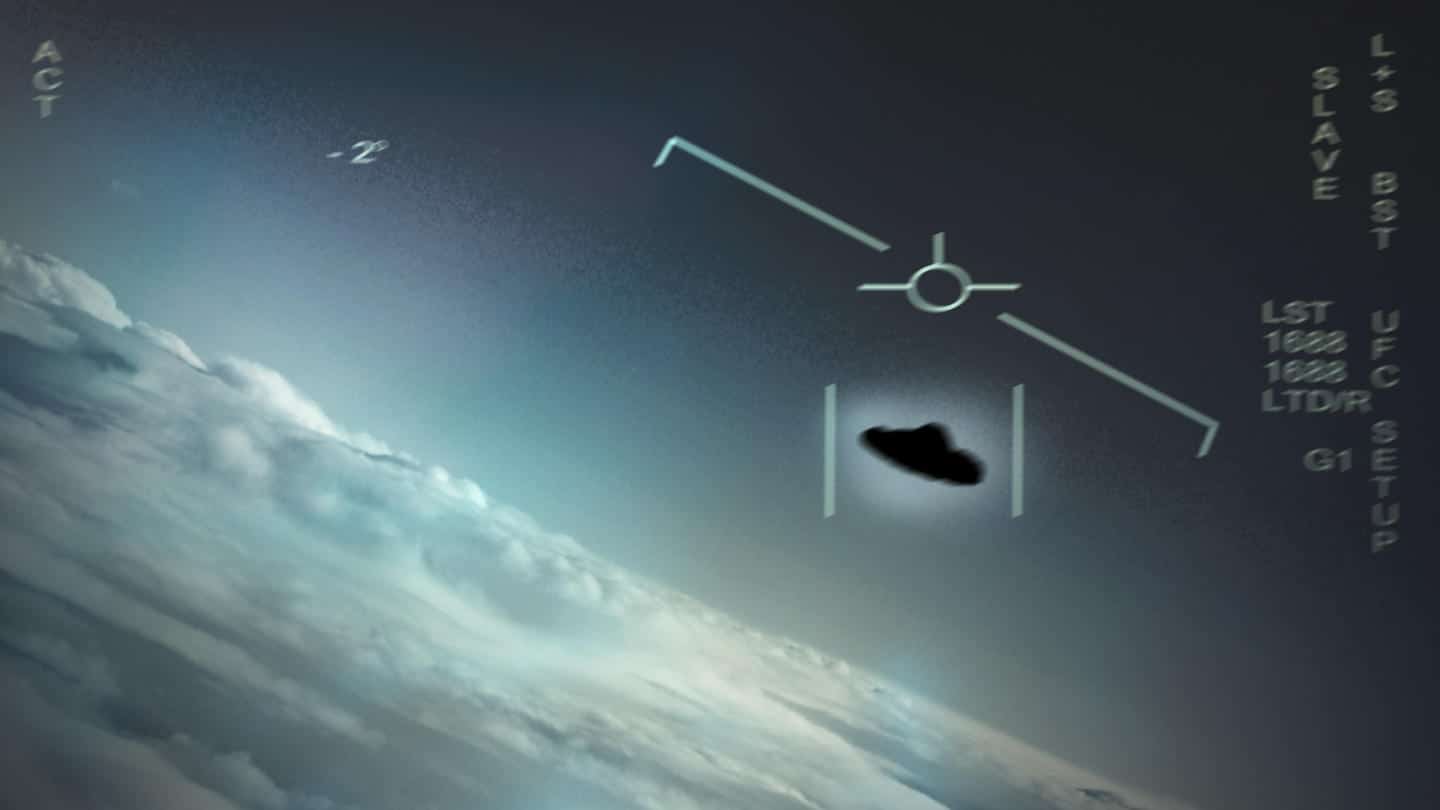
Pentagon Formed A New Group To Investigate UFO Reports
Space Debris Problem Is Getting Worse: Causes and Removal Efforts of Rambling Junk
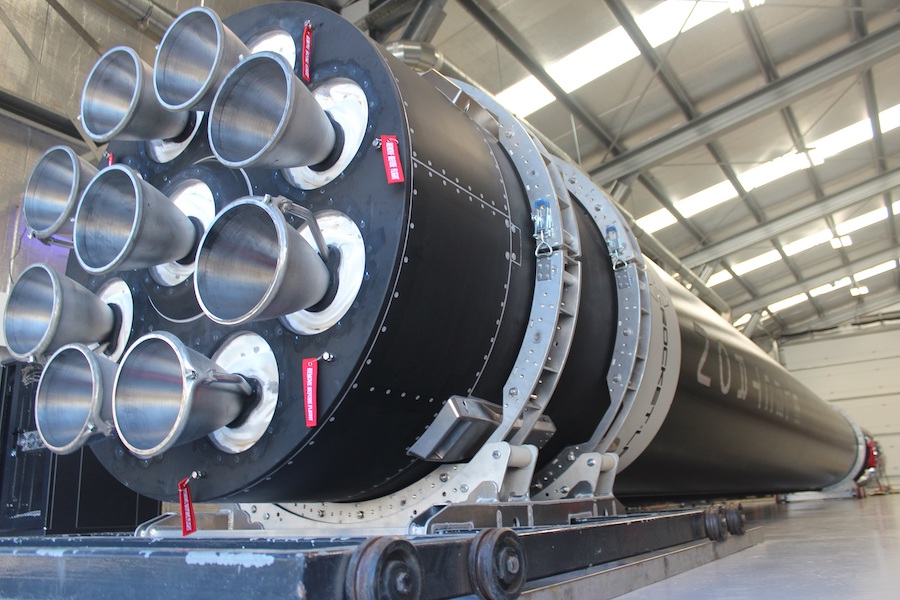
From New Zealand to the US: The Rocket Lab Story
Here Is Blue Origin’s Touristic Rocket: The New Shepard Design
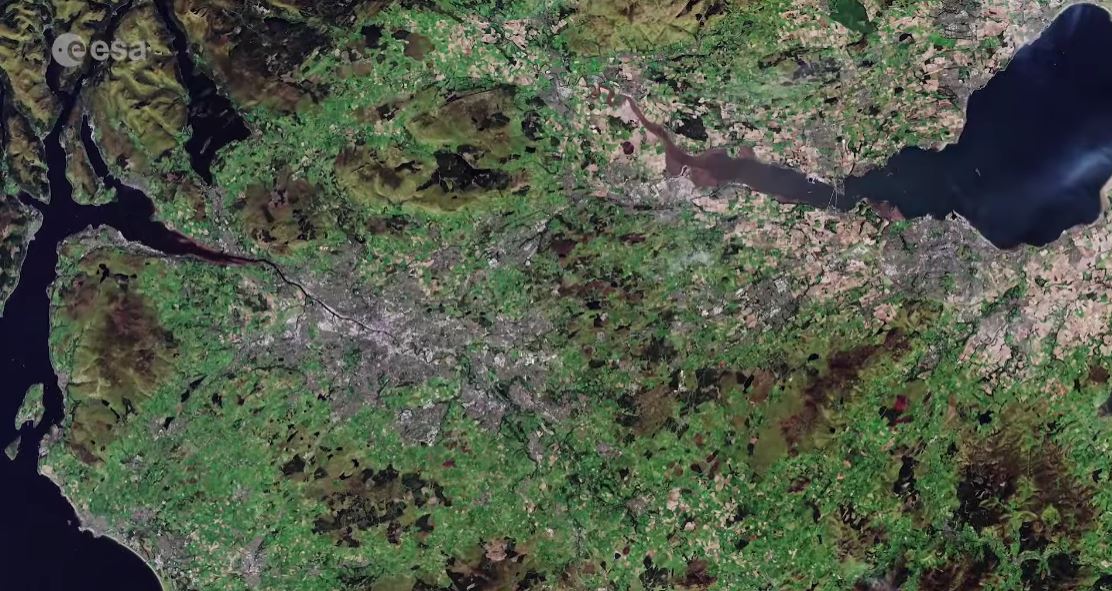
Take a Look at Earth From Space: Glasgow, Scotland
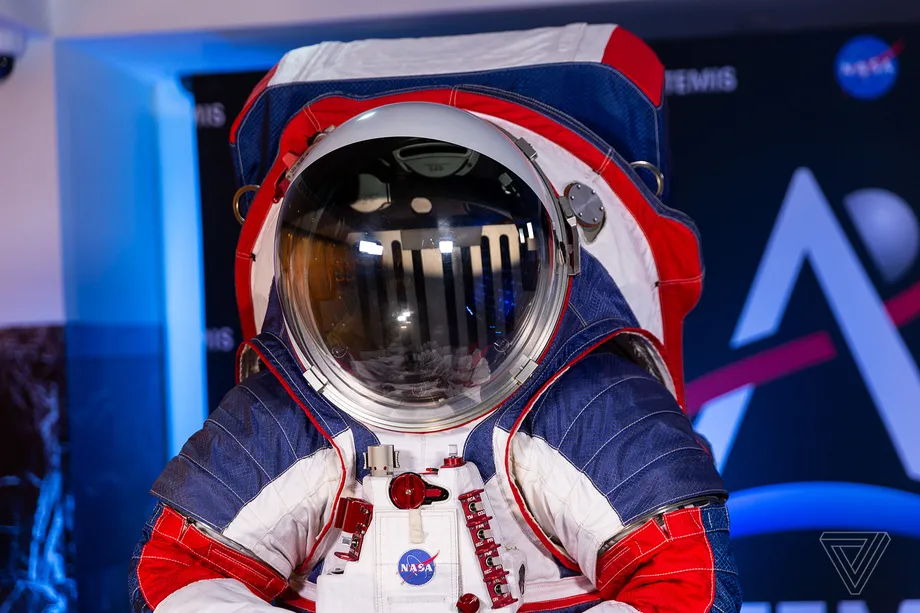
NASA Is Preparing Next Generation Spacesuits for Moon Mission and Beyond
Remote-control cars to race on the Moon in 2021
Meteorite makes Indonesian man a millionaire as piece crashes through his roof
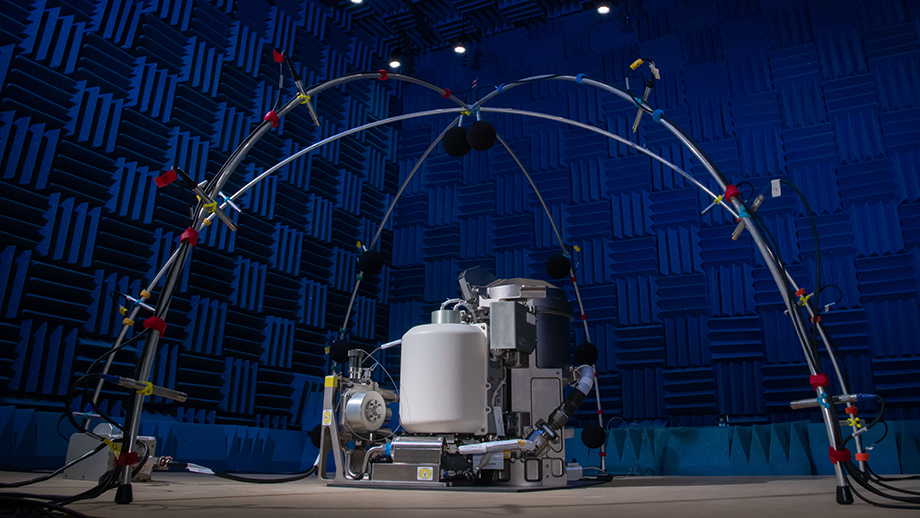
NASA sends a new Space toilet for astronauts to ISS

 Earth & Energy5 years ago
Mariana Trench: 8 Fascinating Facts About the Earth’s Deepest Place

 Space6 years ago
10 most famous scientists who contributed to astronomy and space
- Skywatching6 years ago
Top 25 extremely stunning photos of Northern Lights of 2020 revealed
- Engineering6 years ago
Meteorite makes Indonesian man a millionaire as piece crashes through his roof

 Science5 years ago
It’s Now Possible to Predict Blood Cancer With Ten-Second Videos
 Engineering5 years ago
This Inexpensive Method Speeds up Analysis of 3D Printed Metal Parts
- Infographic6 years ago
SpaceX Dragon: A Game Changer for NASA

 Earth & Energy3 years ago
Tiny fish, big boom: This small fish found to roar like a gunshot