
Space
SpaceX Suffers the Loss of 40 Starlink Satellites Due to Geomagnetic Storm
What a short trip.

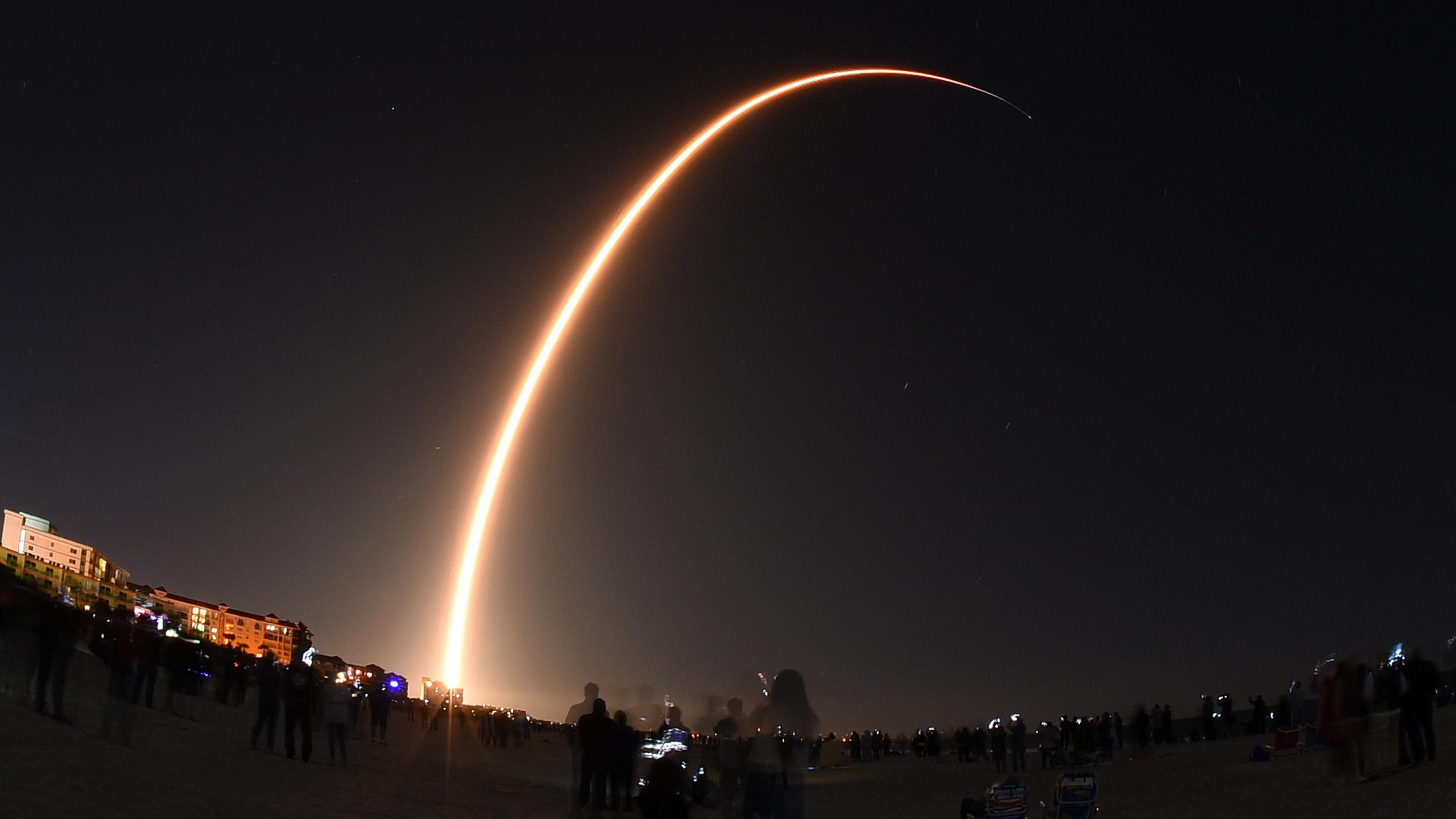
The Starlink internet satellites, which were just launched on a Falcon 9 last week, on February 3, seemed to have to stop their journey to their intended orbits. SpaceX confirmed that a geomagnetic storm that occurred a day after the launch severely impacted the Starlink satellites.
A geomagnetic storm is a solar wind shock wave and/or magnetic field cloud colliding with the Earth’s magnetic field that causes a disruption in the magnetosphere.
The storm warmed up the atmosphere and increased the atmospheric drag – the friction that acts against the movement of the satellites. Though SpaceX has tried to put the recently launched satellites into safe mode, by adjusting their movements to fly edge-on, like a sheet of paper, the increased drag thwarted it.
SpaceX convinces there will be no orbital debris of Starlink satellites
According to the company, up to 40 of the satellites will return or have already reentered the Earth’s atmosphere. However, SpaceX believes the Starlink internet satellites that fail to reach their orbits will completely burn up when they re-enter Earth’s atmosphere, so they won’t leave any orbital debris.
“This unique situation demonstrates the great lengths the Starlink team has gone to ensure the system is on the leading edge of on-orbit debris mitigation,” wrote SpaceX on its update page, Feb. 8.
“The deorbiting satellites pose zero collision risk with other satellites and by design demise upon atmospheric reentry — meaning no orbital debris is created and no satellite parts hit the ground,” the company said.
SpaceX seems to recognize that the astronomy community is starting to become concerned with space junk, especially since astronomers have raised criticisms regarding the Starlink project related to the giant constellation’s influence on astronomical observations.
Since 2019, SpaceX has launched a huge number of Starlink satellites — which worry astronomers around the globe — with the goal of one day being able to launch 40,000 internet satellites into orbit. The objective is to provide high-speed internet connections throughout the world, including underprivileged areas.
Looks like SpaceX has recently been dealing with a number of issues related to its property, like the one about its old Falcon 9 rocket, which has been reported to be colliding with the Moon within weeks.

Mariana Trench: 8 Fascinating Facts About the Earth’s Deepest Place

10 most famous scientists who contributed to astronomy and space

Top 25 extremely stunning photos of Northern Lights of 2020 revealed

Meteorite makes Indonesian man a millionaire as piece crashes through his roof

It’s Now Possible to Predict Blood Cancer With Ten-Second Videos

This Inexpensive Method Speeds up Analysis of 3D Printed Metal Parts

SpaceX Dragon: A Game Changer for NASA

Tiny fish, big boom: This small fish found to roar like a gunshot

Turkish city unveils design of Mars Colony project for tourists

Researchers Reveal the Source of the Electron Rain Phenomenon

A New Study Reveals How Climate Change Will Affect Sound Travels Underwater
Here Are 6 Space Technologies We Can Benefit to Improve Life on Earth
SpaceX Announced Crew Dragon Will No Longer Be Produced
Russia Warns Sanctions on Moscow Could Endanger the ISS

A New Study Reveals How to Make Walking Easier

Remote-control cars to race on the Moon in 2021

Space Debris Problem Is Getting Worse: Causes and Removal Efforts of Rambling Junk

Microplastic Pollution Detected in Human Blood for the First Time

Nvidia CEO declares coding’s end in AI era
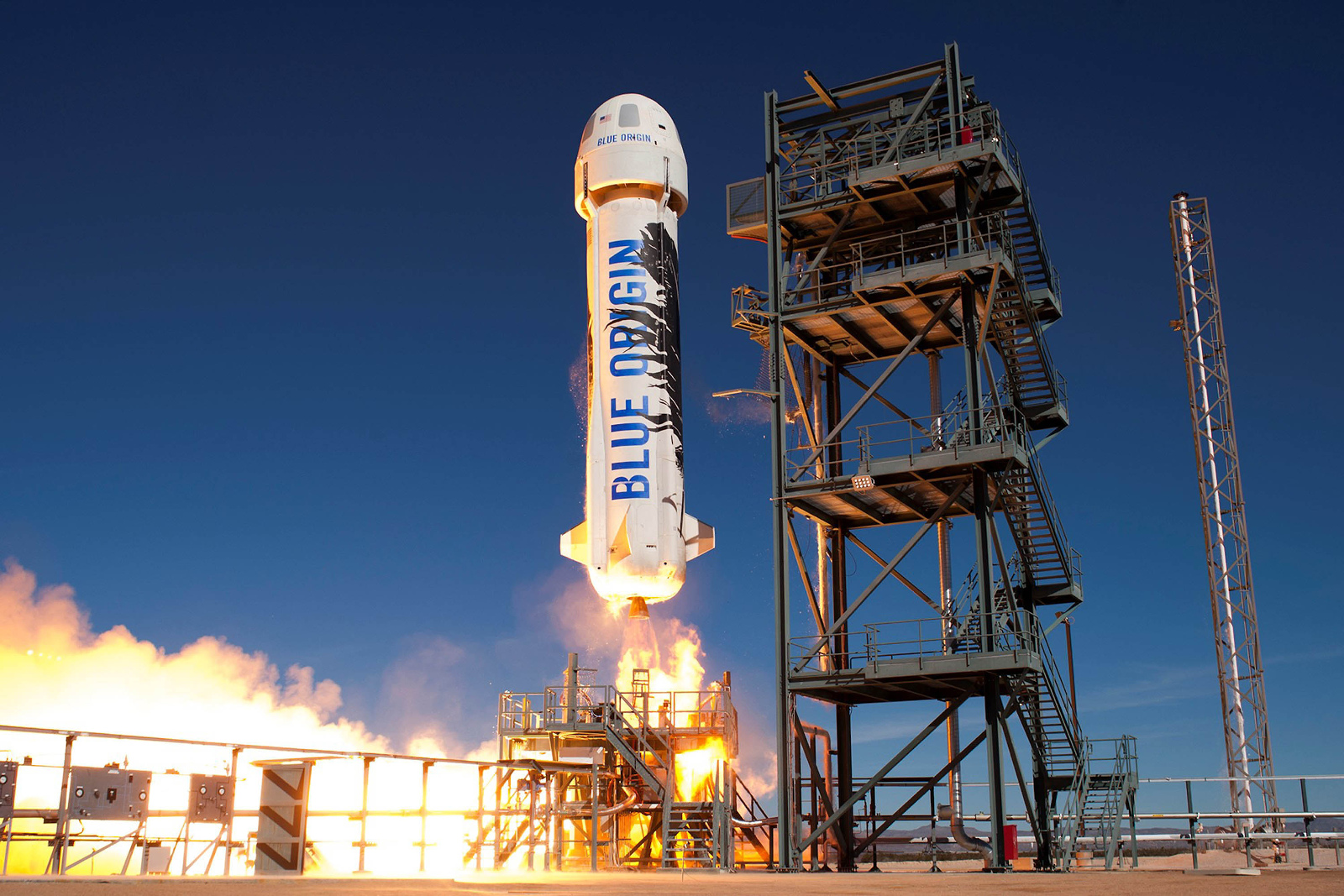
Here Is Blue Origin’s Touristic Rocket: The New Shepard Design

The Fastest Manned Plane in the World: Here’s The Insane Engineering of the X-15
Here Are 6 Space Technologies We Can Benefit to Improve Life on Earth
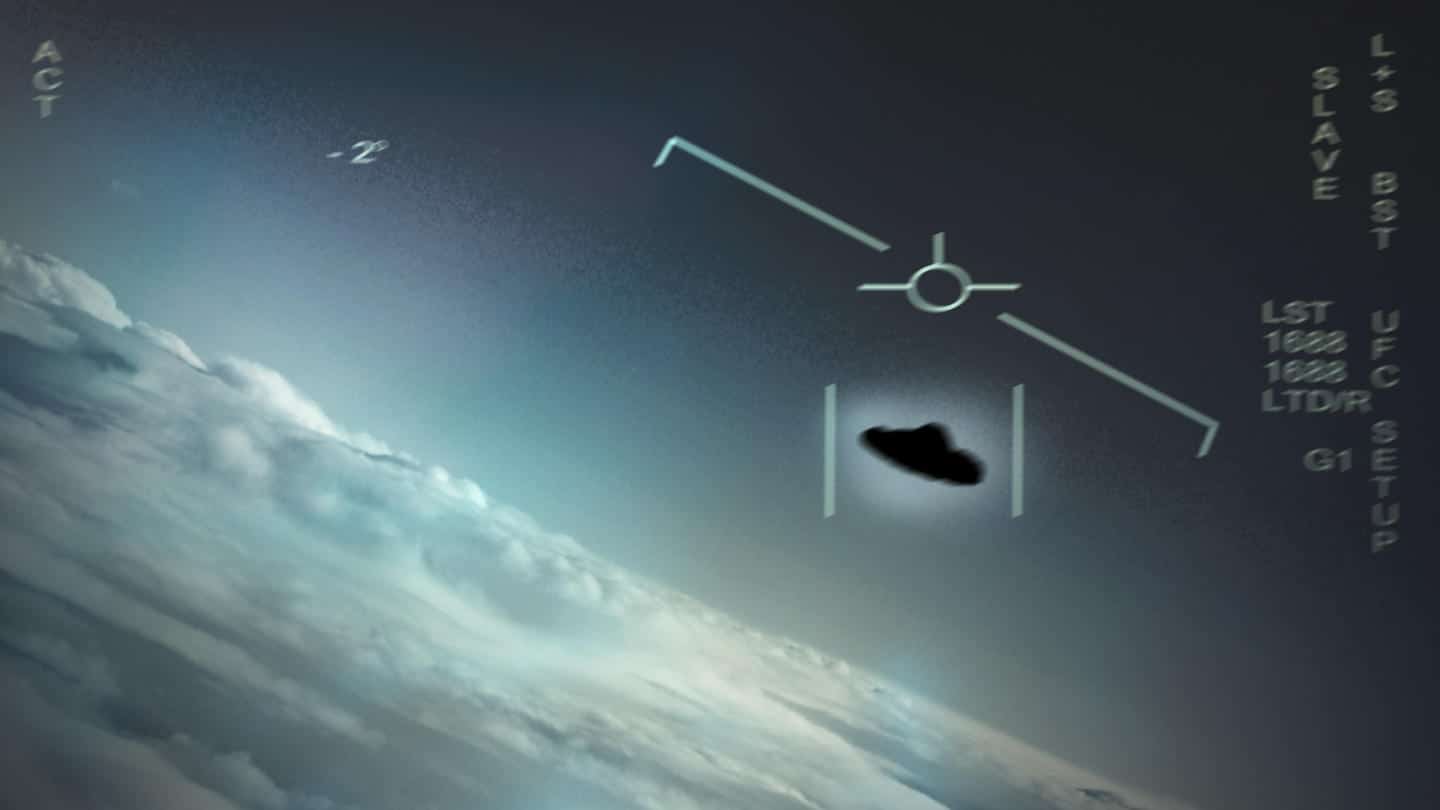
Pentagon Formed A New Group To Investigate UFO Reports
Space Debris Problem Is Getting Worse: Causes and Removal Efforts of Rambling Junk
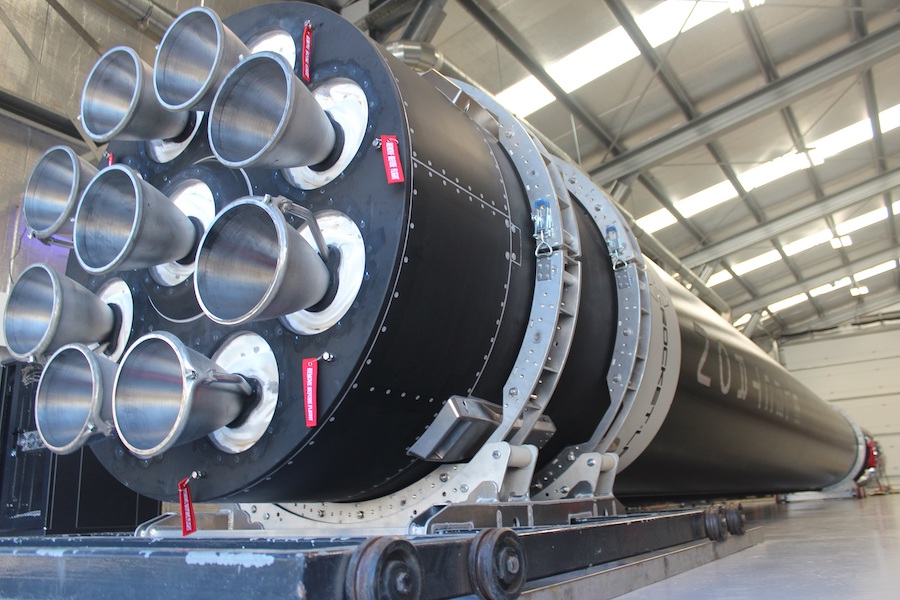
From New Zealand to the US: The Rocket Lab Story
Here Is Blue Origin’s Touristic Rocket: The New Shepard Design
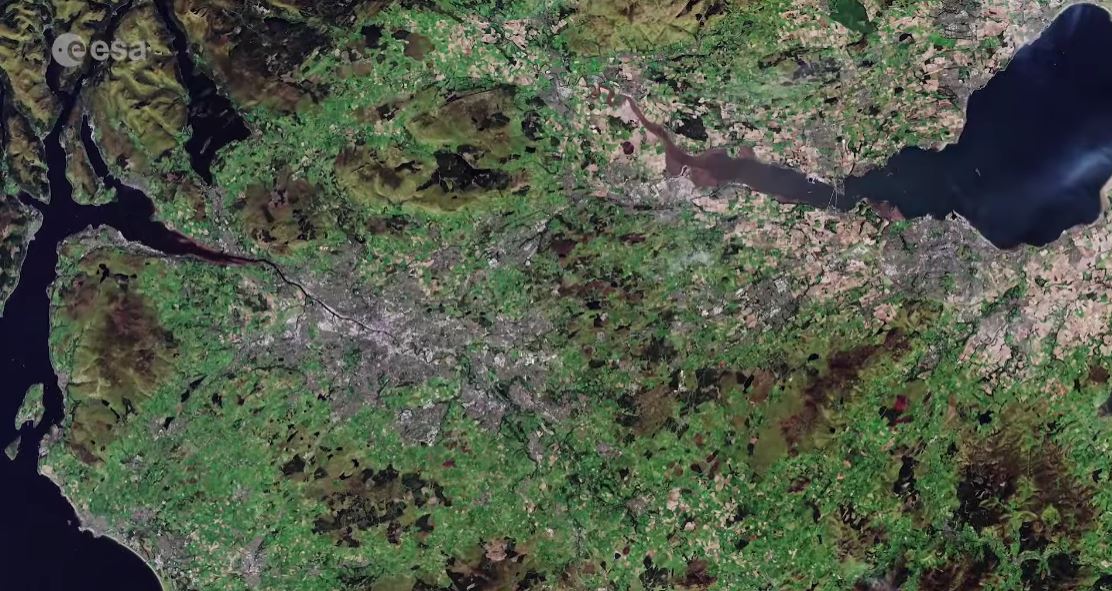
Take a Look at Earth From Space: Glasgow, Scotland
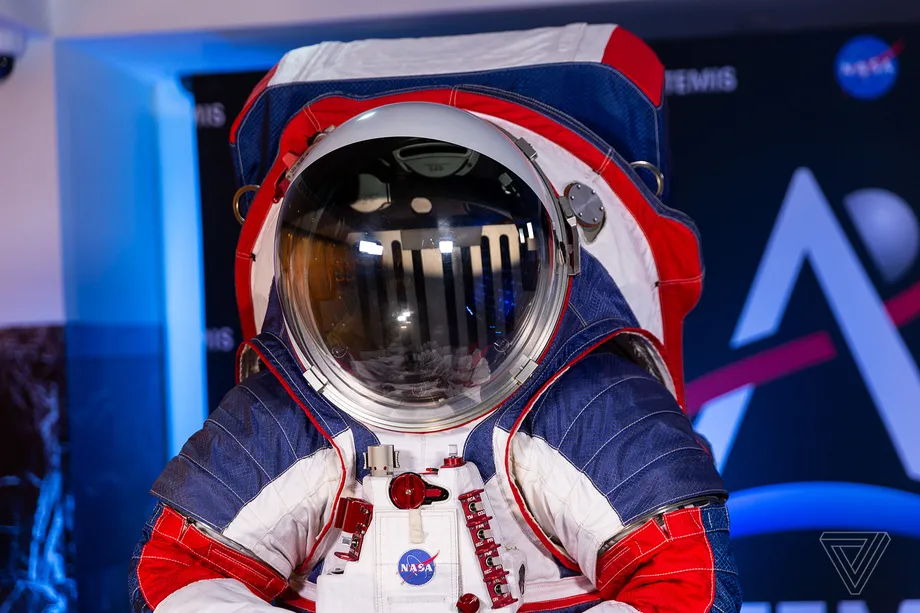
NASA Is Preparing Next Generation Spacesuits for Moon Mission and Beyond
Remote-control cars to race on the Moon in 2021
Meteorite makes Indonesian man a millionaire as piece crashes through his roof
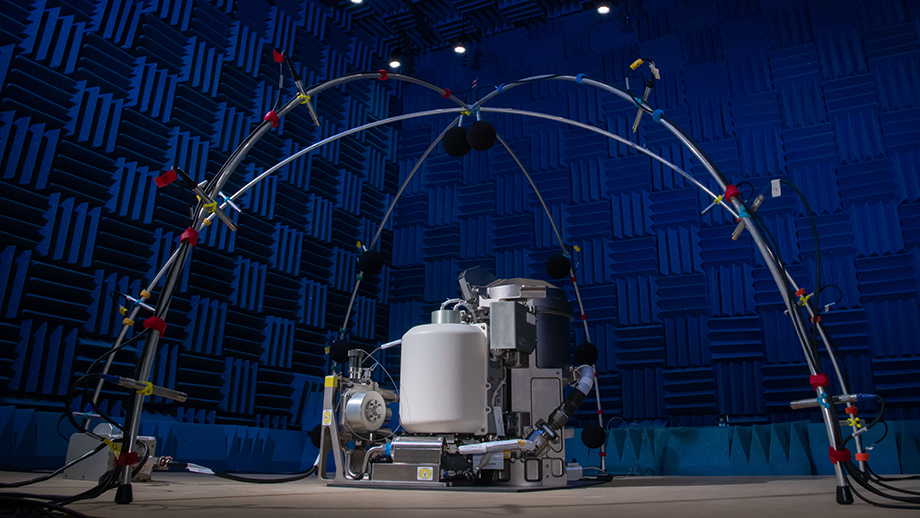
NASA sends a new Space toilet for astronauts to ISS

 Earth & Energy5 years ago
Mariana Trench: 8 Fascinating Facts About the Earth’s Deepest Place

 Space6 years ago
10 most famous scientists who contributed to astronomy and space
- Skywatching6 years ago
Top 25 extremely stunning photos of Northern Lights of 2020 revealed
- Engineering6 years ago
Meteorite makes Indonesian man a millionaire as piece crashes through his roof

 Science5 years ago
It’s Now Possible to Predict Blood Cancer With Ten-Second Videos
 Engineering5 years ago
This Inexpensive Method Speeds up Analysis of 3D Printed Metal Parts
- Infographic6 years ago
SpaceX Dragon: A Game Changer for NASA

 Earth & Energy3 years ago
Tiny fish, big boom: This small fish found to roar like a gunshot