
Earth & Energy
Scientist Is Working for Converting Wastewater Into Immensely Valuable Source
Importance of adoption of technology that reduces pollution.

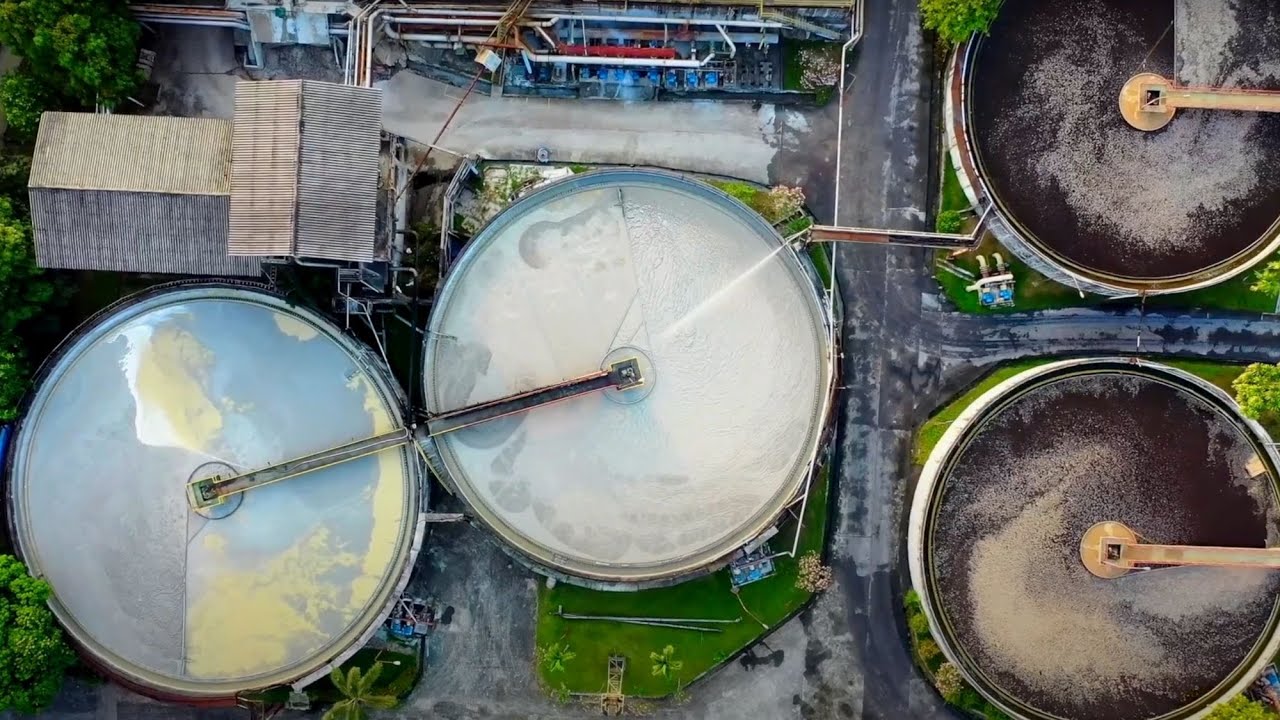
One out of every four people in the world still does not have access to a clean drinking water source. Scientists are trying to create clean water sources by looking for many ways to treat wastewater.
With the mechanism called Anaerobic Filtration, wastewater can be converted into a consumable form by consuming very little energy, but the mechanism has a dangerous problem. When cleaning water, it tends to create a highly harmful and environmentally polluting by-product called sulfite.
For example, the Centers for Disease Control and Prevention writes that inhaling hydrogen sulfide can lead to symptoms such as difficulty breathing, tremors, eye and skin irritation, unconsciousness, and even death at high concentrations. You only need to be close enough to inhale this chemical, meaning workers at wastewater treatment plants are in the full line of fire.
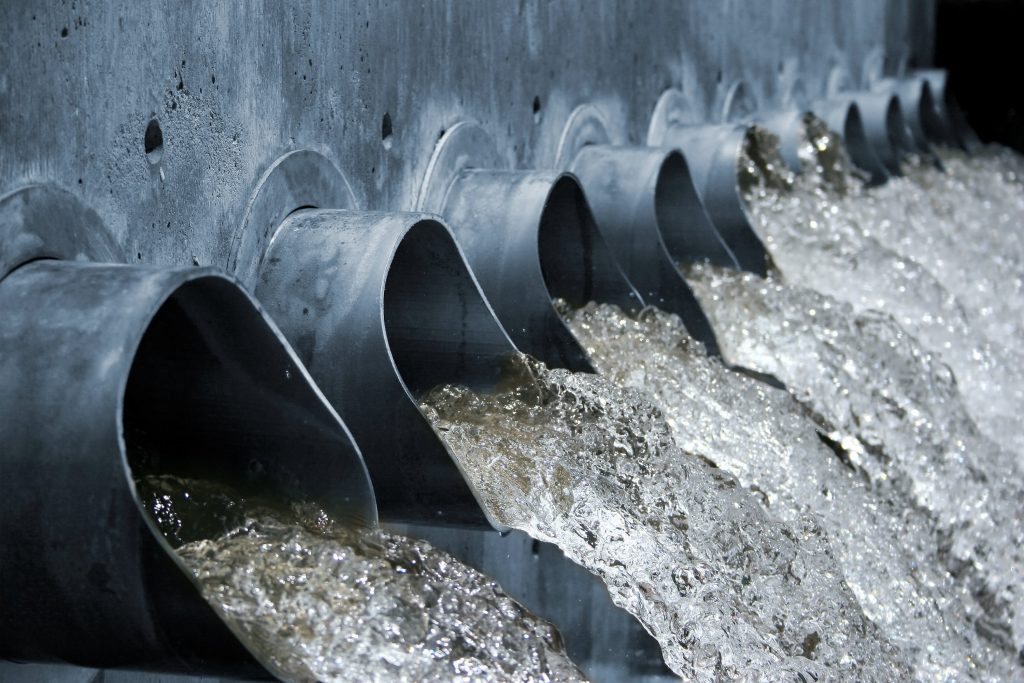
In a paper published Wednesday in the journal ES&T Engineering, Stanford researchers have worked through this dilemma to develop not only a fascinating way to convert toxic sulfides from anaerobic filtration into safe compounds but also immensely valuable resources for agricultural and rechargeable technologies. transformed.
“We’re always looking for ways to close the loop in chemical manufacturing processes,” said Will Tarpeh, assistant professor of chemical engineering at Stanford University and senior author of the study.
According to the study, scientists try to solve the sulfur problem by using certain chemicals to break down sulfur derivatives into non-toxic components. But he says this often corrodes the treatment system pipes and reduces the overall effectiveness of clean water production.
‘Converting wastewater into something more valuable’
The team behind the new study uses a mechanism called electrochemical sulfur oxidation. “The process I’m working on is to convert the sulfides in wastewater into something more valuable electrochemically, such as sulfuric acid, which can be used in many manufacturing processes and fertilizers,” said Xiaohan Shao, lead author of the study.
Basically, this electrochemical system provides the option to convert toxic sulfides into other sulfur derivatives, completely removing the threatening chemical from anaerobic filtration. According to the team, this procedure requires so little energy that it can be sourced entirely from renewable sources and can be applied to sewage sources in entire cities.
“We can integrate our process with other advanced wastewater treatment technologies to reduce the gap between wastewater and drinking water,” Shao said in the published video. said. “In terms of the chemicals we produce, we add these recovered products to the supply chain and this will help agriculture – and reduce the consumption of raw materials in manufacturing.”
“Hopefully this work will help accelerate the adoption of technology that reduces pollution, reclaims valuable resources, and creates potable water at the same time,” said Shao, one of the scientists who aim to address worldwide water shortages.

Mariana Trench: 8 Fascinating Facts About the Earth’s Deepest Place
10 most famous scientists who contributed to astronomy and space

Top 25 extremely stunning photos of Northern Lights of 2020 revealed

Meteorite makes Indonesian man a millionaire as piece crashes through his roof
It’s Now Possible to Predict Blood Cancer With Ten-Second Videos
This Inexpensive Method Speeds up Analysis of 3D Printed Metal Parts

SpaceX Dragon: A Game Changer for NASA
Tiny fish, big boom: This small fish found to roar like a gunshot

Turkish city unveils design of Mars Colony project for tourists

Researchers Reveal the Source of the Electron Rain Phenomenon
A New Study Reveals How Climate Change Will Affect Sound Travels Underwater

Here Are 6 Space Technologies We Can Benefit to Improve Life on Earth
SpaceX Announced Crew Dragon Will No Longer Be Produced
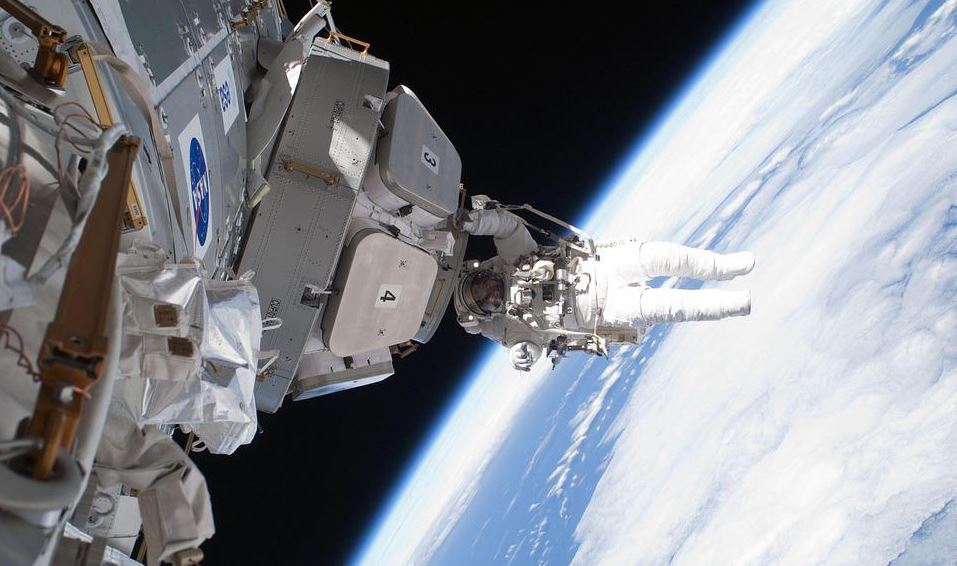
Russia Warns Sanctions on Moscow Could Endanger the ISS
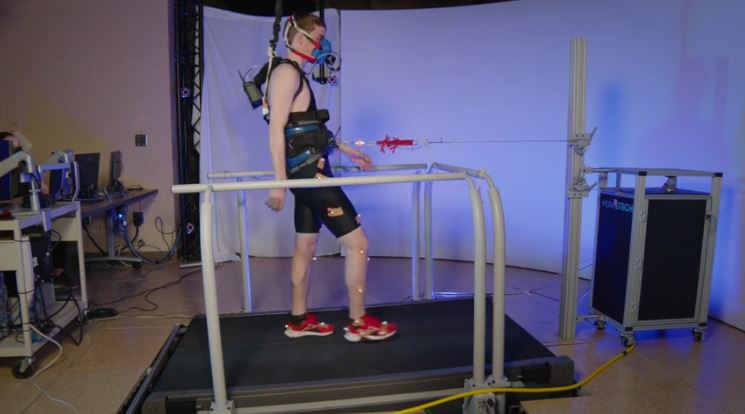
A New Study Reveals How to Make Walking Easier

Remote-control cars to race on the Moon in 2021

Space Debris Problem Is Getting Worse: Causes and Removal Efforts of Rambling Junk
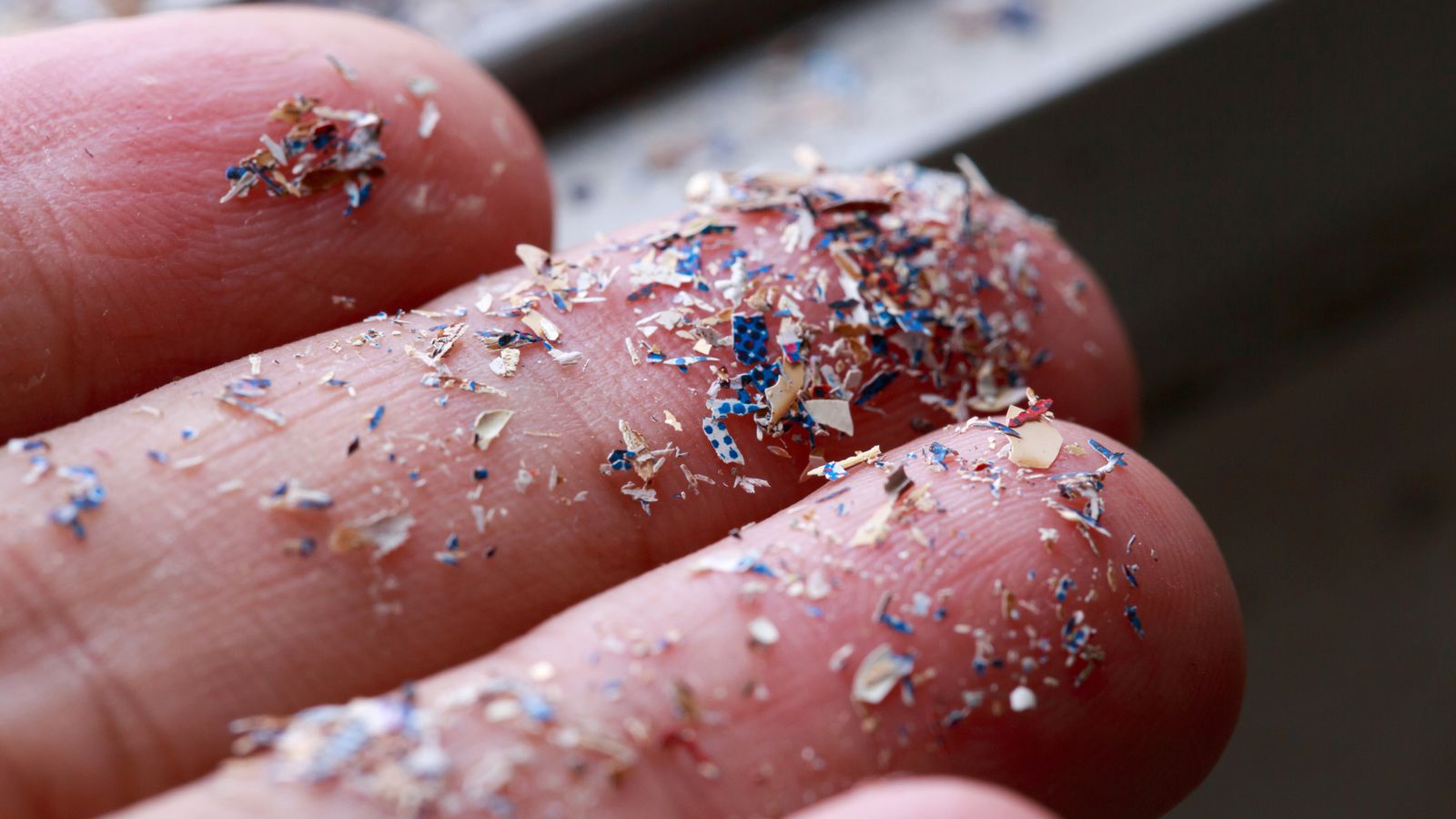
Microplastic Pollution Detected in Human Blood for the First Time

Nvidia CEO declares coding’s end in AI era
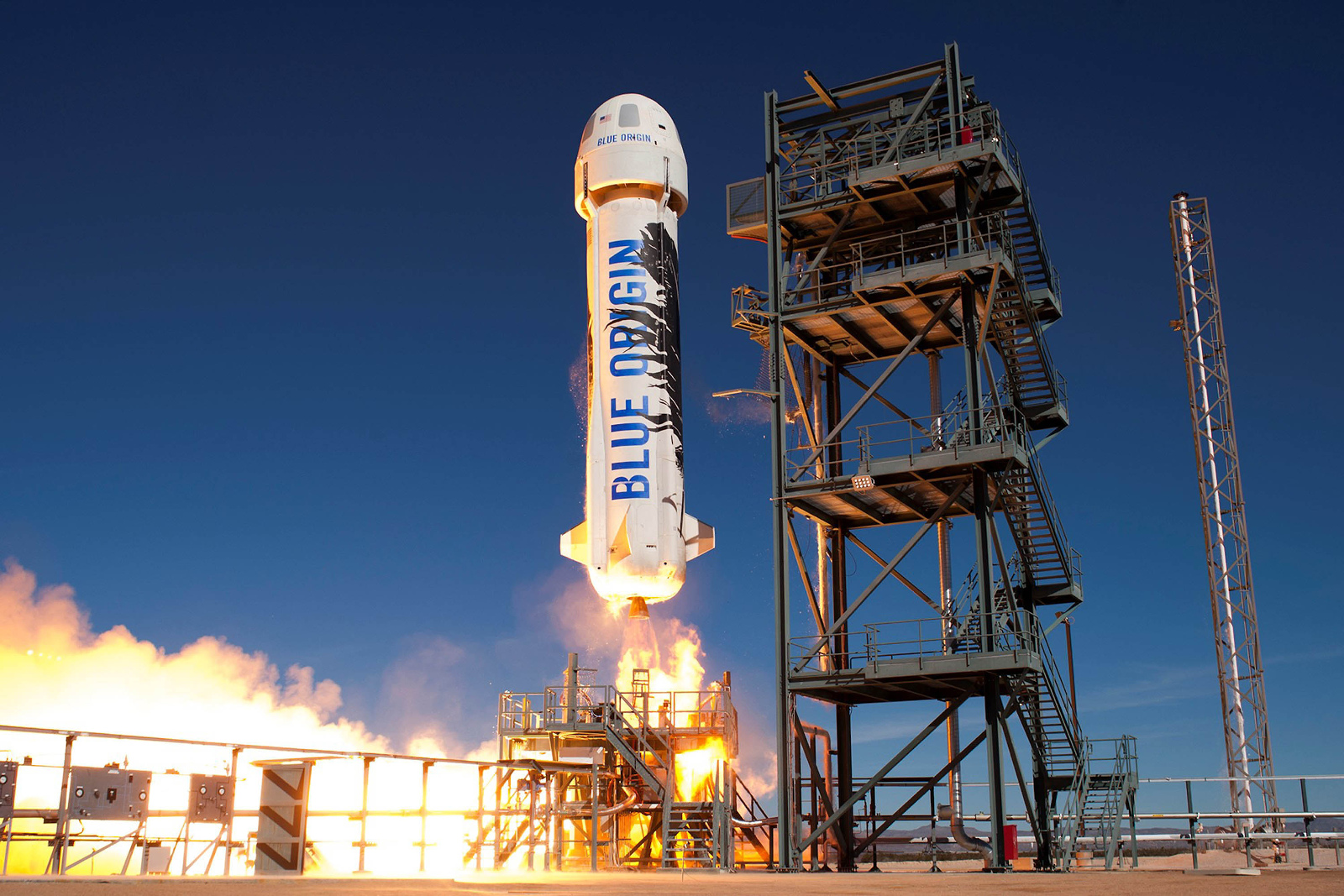
Here Is Blue Origin’s Touristic Rocket: The New Shepard Design
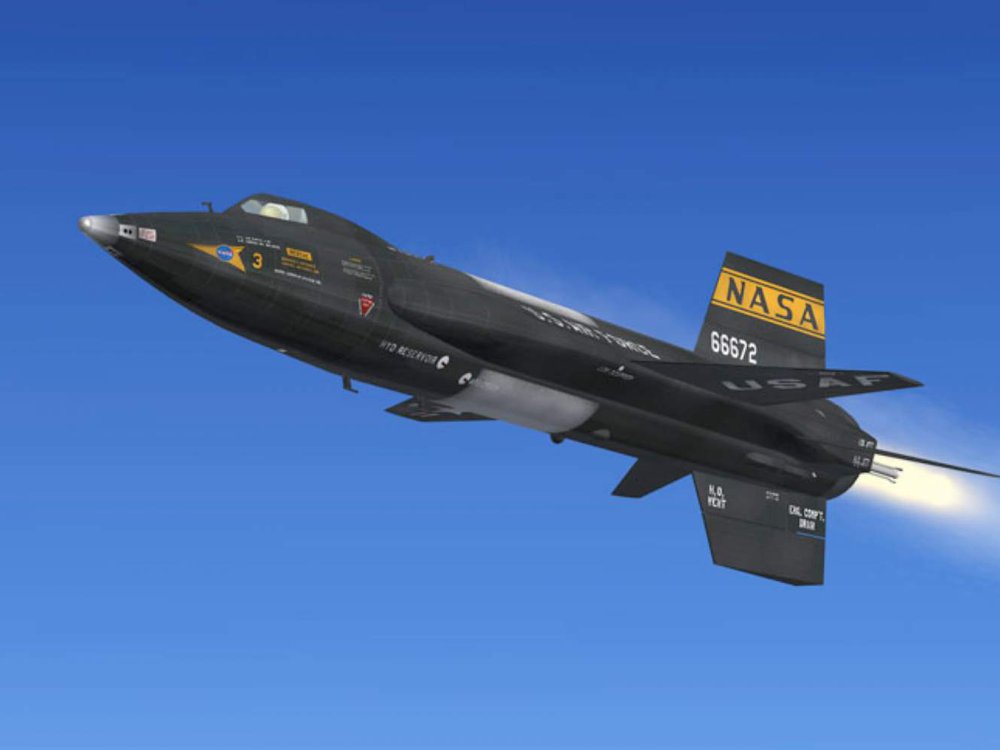
The Fastest Manned Plane in the World: Here’s The Insane Engineering of the X-15
Here Are 6 Space Technologies We Can Benefit to Improve Life on Earth
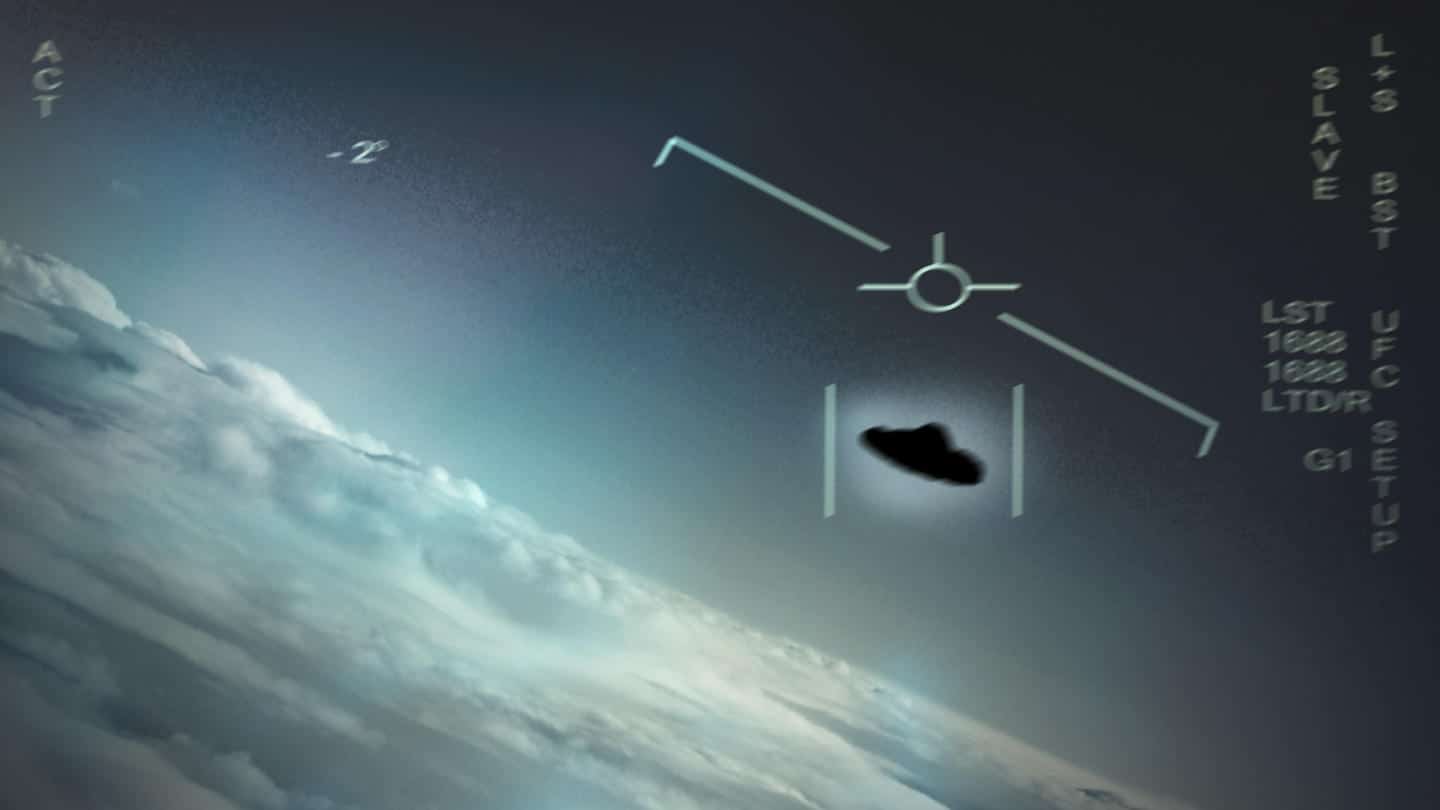
Pentagon Formed A New Group To Investigate UFO Reports
Space Debris Problem Is Getting Worse: Causes and Removal Efforts of Rambling Junk
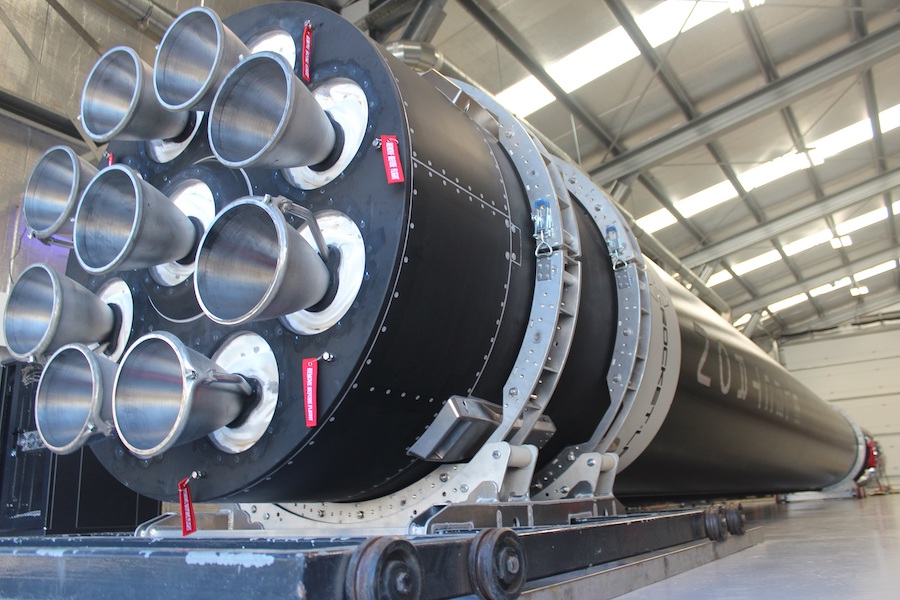
From New Zealand to the US: The Rocket Lab Story
Here Is Blue Origin’s Touristic Rocket: The New Shepard Design

Take a Look at Earth From Space: Glasgow, Scotland

NASA Is Preparing Next Generation Spacesuits for Moon Mission and Beyond
Remote-control cars to race on the Moon in 2021
Meteorite makes Indonesian man a millionaire as piece crashes through his roof
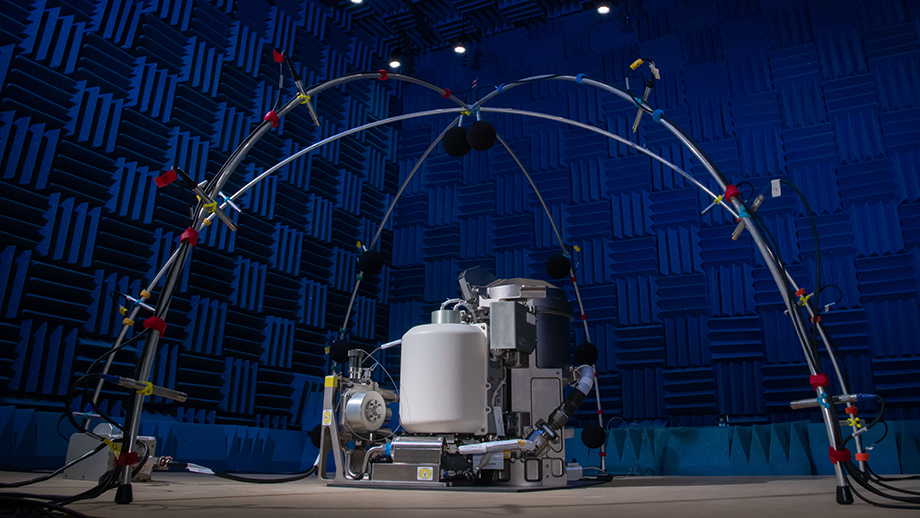
NASA sends a new Space toilet for astronauts to ISS

 Earth & Energy5 years ago
Mariana Trench: 8 Fascinating Facts About the Earth’s Deepest Place

 Space6 years ago
10 most famous scientists who contributed to astronomy and space
- Skywatching6 years ago
Top 25 extremely stunning photos of Northern Lights of 2020 revealed
- Engineering6 years ago
Meteorite makes Indonesian man a millionaire as piece crashes through his roof

 Science5 years ago
It’s Now Possible to Predict Blood Cancer With Ten-Second Videos
 Engineering5 years ago
This Inexpensive Method Speeds up Analysis of 3D Printed Metal Parts
- Infographic6 years ago
SpaceX Dragon: A Game Changer for NASA

 Earth & Energy3 years ago
Tiny fish, big boom: This small fish found to roar like a gunshot