
Tech
This Autonomous AI Inspector Scans Your Car to Detect Possible Problems
Tired of hearing about smart cars?

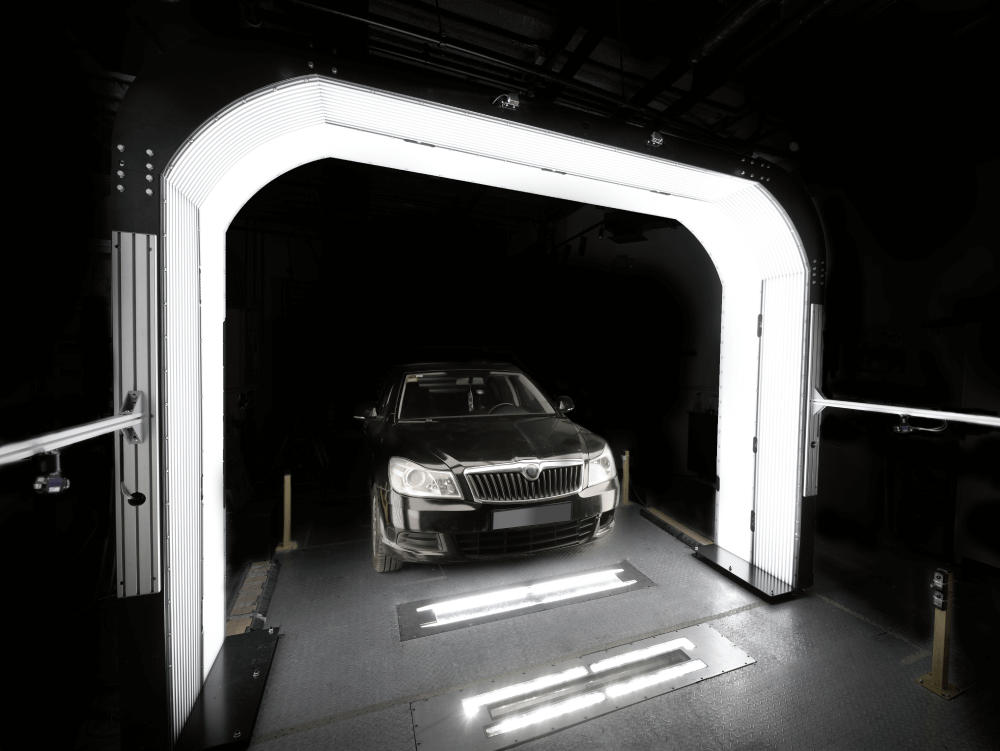
There is news about smart cars and AI technologies every day, but it is the first time that a smart mechanic is being talked about. Recently, an Israeli security and inspection company UVeye had developed an autonomous AI inspector for smart cars.
While computer vision technology was already in use in high-security places like airports to detect problems automatically, it seems to be the first system designed for commercial cars. With a system that only requires your vehicle to pass through a camera and link to detect possible threats and damage, it even seems too easy to be real.
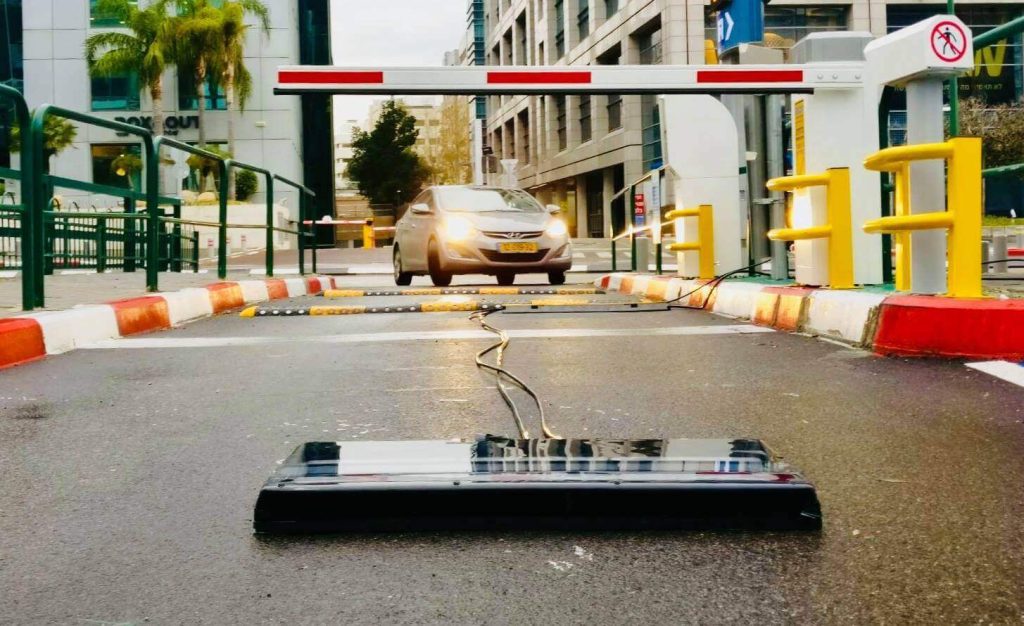
Credit: UVeye Media Kit
How does the new AI mechanic work?
For now, the first step is to take a quick photo scan of the vehicle while it is passing over to detect possible problems with computer vision. As the product is for smart cars that can already detect some problems on their own with sensors, the second step is to check these sensors. The final step is to check physical data such as the company’s tire modules that check for tire failures. All in all, it is a quick look at your machine by a machine to detect as many things quick as possible.
As the company’s argument goes according to their press release,
as autonomous vehicles become an imminent reality, it is all the more crucial to rethink vehicle safety and inspection systems. If, in the future, humans do not drive cars, who will be able to determine whether there are problems with the tires, brakes, or ignition systems?
Just like the ongoing problems resulting from usage, the company says that in a time where the car itself cannot detect physical problems like something getting stuck in-between, their AI named “Helios”, may be able to help.
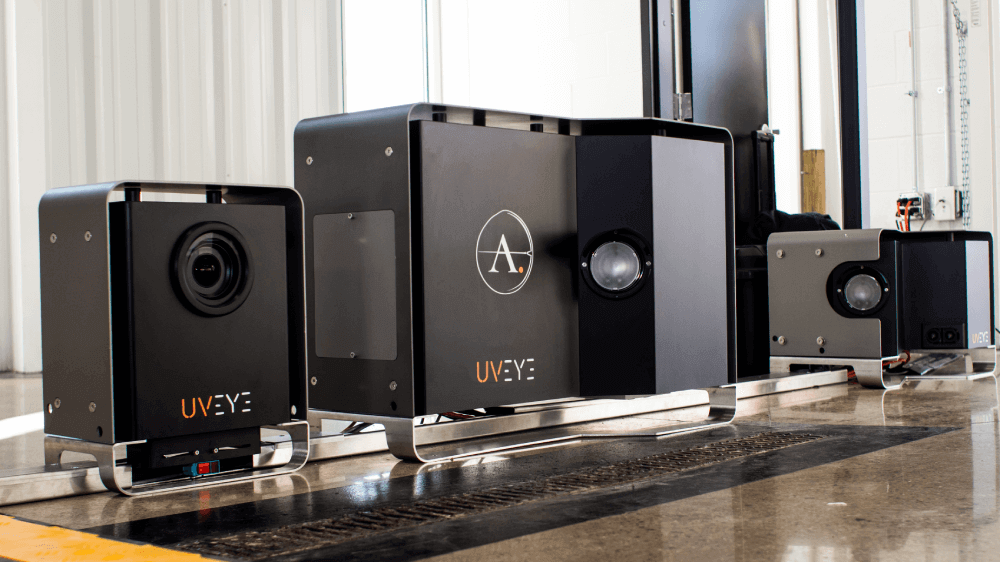
Credit: UVeye Media Kit
There are some concerns
While it is a big leap in the industry to be able to save this much time and money with this AI mechanic, some people are concerned with its effectiveness of it. Some mechanics procedures involve checking physically, like hitting and looking for a sound, opening, and closing, exchanging the parts inside. It is not known how you can detect these kinds of problems with computer vision only. However, with the development of smart cars, maybe these kinds of inside-check-ups will be automated through the sensors of the car itself, who knows?
In the end, we are living in an era where both human and machine is getting smarter on both ends. The line between the creator and the creation is getting really small if I would say so, just like my last article on “AlphaCode”, a code that writes code.
It’s only a question of what we would do when both ends, the car, and the mechanic, become automated.

Mariana Trench: 8 Fascinating Facts About the Earth’s Deepest Place

10 most famous scientists who contributed to astronomy and space

Top 25 extremely stunning photos of Northern Lights of 2020 revealed

Meteorite makes Indonesian man a millionaire as piece crashes through his roof

It’s Now Possible to Predict Blood Cancer With Ten-Second Videos
This Inexpensive Method Speeds up Analysis of 3D Printed Metal Parts

SpaceX Dragon: A Game Changer for NASA

Tiny fish, big boom: This small fish found to roar like a gunshot

Turkish city unveils design of Mars Colony project for tourists

Researchers Reveal the Source of the Electron Rain Phenomenon

A New Study Reveals How Climate Change Will Affect Sound Travels Underwater
Here Are 6 Space Technologies We Can Benefit to Improve Life on Earth
SpaceX Announced Crew Dragon Will No Longer Be Produced
Russia Warns Sanctions on Moscow Could Endanger the ISS
A New Study Reveals How to Make Walking Easier

Remote-control cars to race on the Moon in 2021

Space Debris Problem Is Getting Worse: Causes and Removal Efforts of Rambling Junk

Microplastic Pollution Detected in Human Blood for the First Time

Nvidia CEO declares coding’s end in AI era
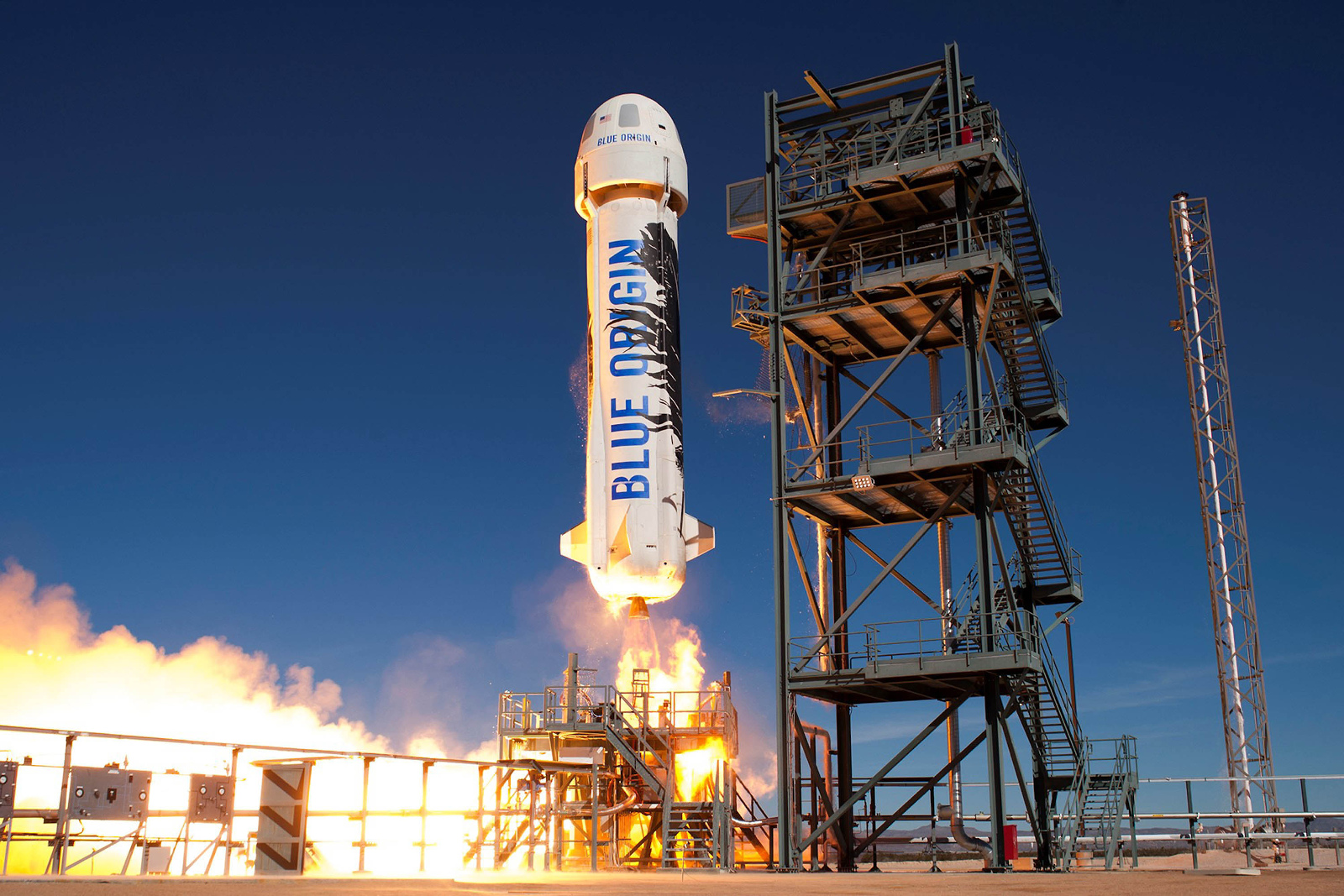
Here Is Blue Origin’s Touristic Rocket: The New Shepard Design
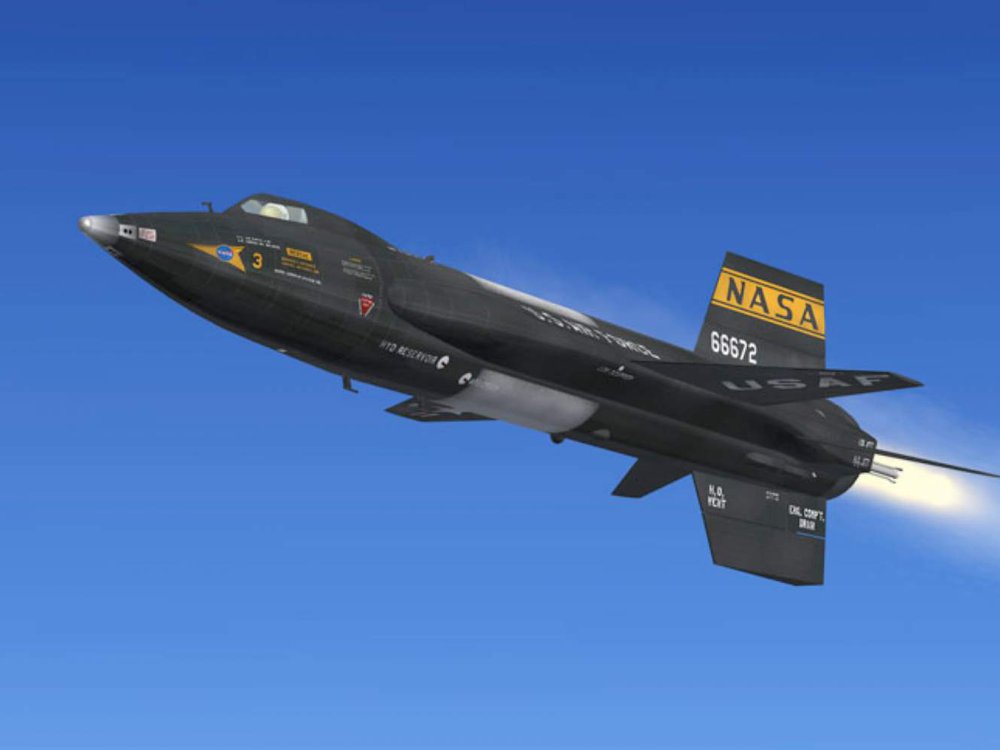
The Fastest Manned Plane in the World: Here’s The Insane Engineering of the X-15
Here Are 6 Space Technologies We Can Benefit to Improve Life on Earth
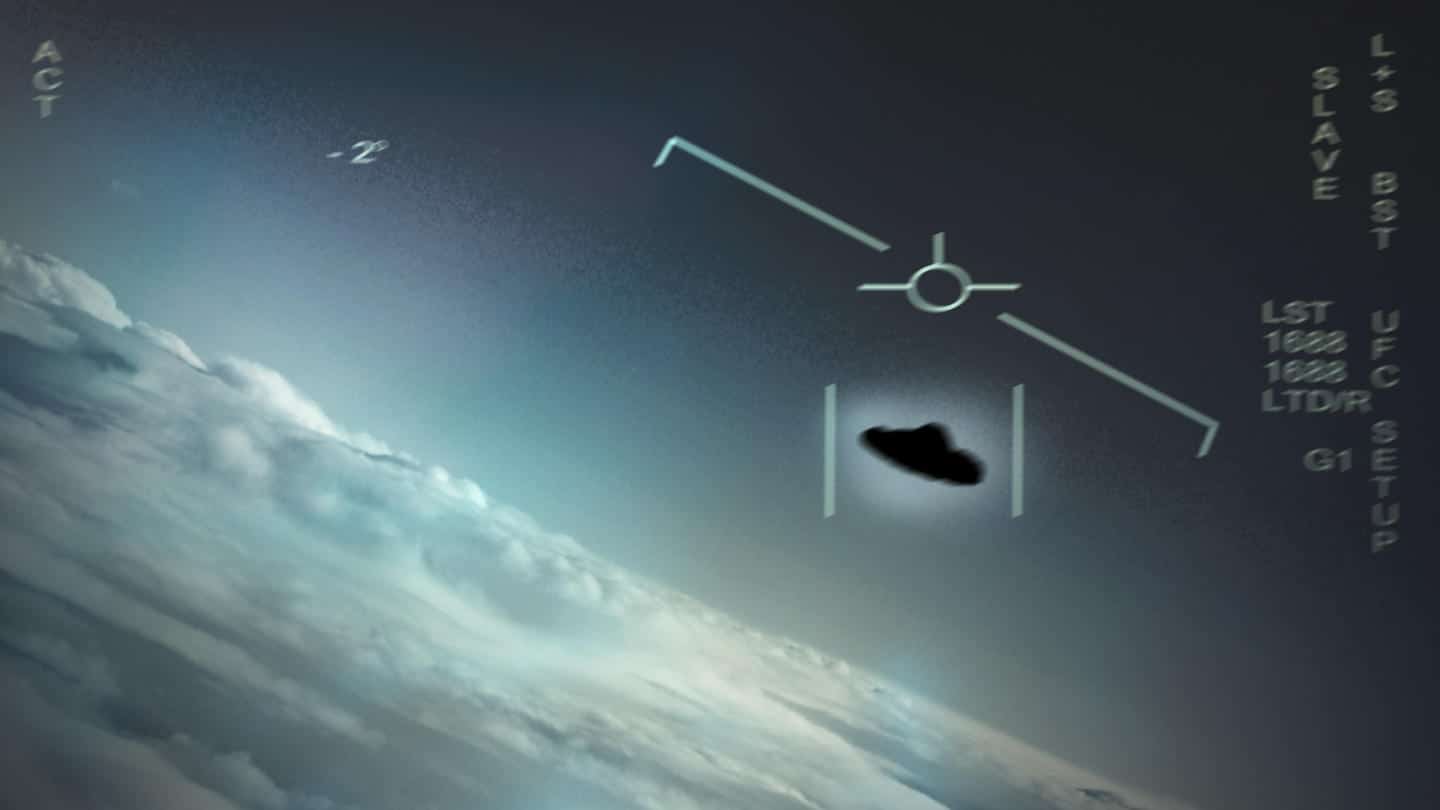
Pentagon Formed A New Group To Investigate UFO Reports
Space Debris Problem Is Getting Worse: Causes and Removal Efforts of Rambling Junk
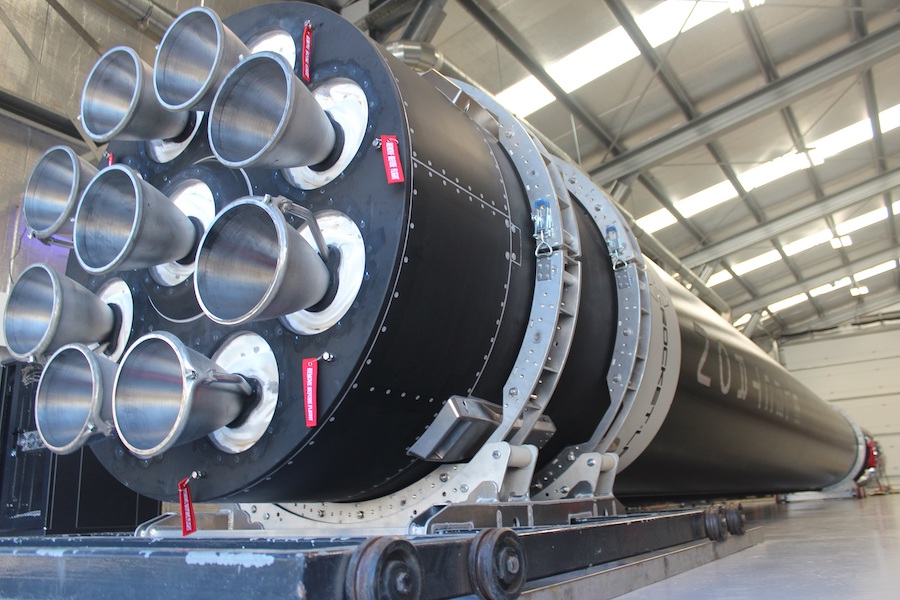
From New Zealand to the US: The Rocket Lab Story
Here Is Blue Origin’s Touristic Rocket: The New Shepard Design

Take a Look at Earth From Space: Glasgow, Scotland
NASA Is Preparing Next Generation Spacesuits for Moon Mission and Beyond
Remote-control cars to race on the Moon in 2021
Meteorite makes Indonesian man a millionaire as piece crashes through his roof
NASA sends a new Space toilet for astronauts to ISS

 Earth & Energy5 years ago
Mariana Trench: 8 Fascinating Facts About the Earth’s Deepest Place

 Space6 years ago
10 most famous scientists who contributed to astronomy and space
- Skywatching6 years ago
Top 25 extremely stunning photos of Northern Lights of 2020 revealed
- Engineering6 years ago
Meteorite makes Indonesian man a millionaire as piece crashes through his roof

 Science5 years ago
It’s Now Possible to Predict Blood Cancer With Ten-Second Videos
 Engineering5 years ago
This Inexpensive Method Speeds up Analysis of 3D Printed Metal Parts
- Infographic6 years ago
SpaceX Dragon: A Game Changer for NASA

 Earth & Energy3 years ago
Tiny fish, big boom: This small fish found to roar like a gunshot