
Engineering
Yamaha and Toyota Produce Hydrogen Burning V8 Engine
An environmentally friendly solution.

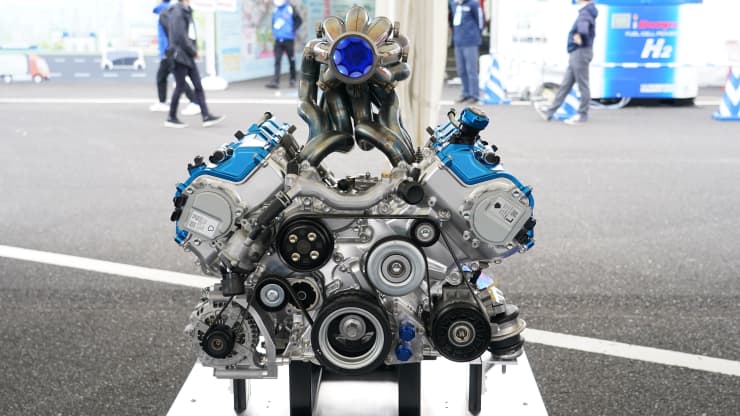
We see that electric and hybrid cars are increasing in traffic day by day. We especially missed the V8 sound that we are used to from sports cars. Yamaha may have brought a solution to this problem. Together with Toyota, Yamaha has produced a hydrogen-powered internal combustion V8 engine in collaboration.
Hydrogen could take its place as the new green economy. Since the weight-energy ratio per volume is higher than that of lithium battery cars, they can offer more options for heavy vehicles such as aviation, marine, trucks and trains. Still, using a battery-powered car to charge can be much more practical. But in cars with hydrogen fuel cells, like the Toyota Mirai or Hyundai Nexo, filling hydrogen is faster than charging. Japan and Korea are still trying to show that hydrogen-powered cars are as safe as oil-burning cars.
Less emission
When it comes to energy efficiency, fuel cell vehicles are much worse than electric vehicles. While the wheel transmission efficiency is around 75-85% in battery-powered vehicles, this ratio is around 30-35% in fuel cell vehicles. However, it only saves money in terms of low maintenance costs and zero emissions.
This is where the new hydrogen internal combustion engine developed by Yamaha for Toyota comes into play. The 8-cylinder 5lt hydrogen engine produces 450 horsepower and 539 Nm of torque at 6800 revolutions per minute (rpm). Internal combustion hydrogen engines, on the other hand, unfortunately, have more disadvantages, the last wheel transmission efficiency is only around 5%. In addition, when hydrogen is burned in the engine, it also burns the air, producing nitrous oxide, which makes it less environmentally friendly. Finally, maintenance costs will be a problem.
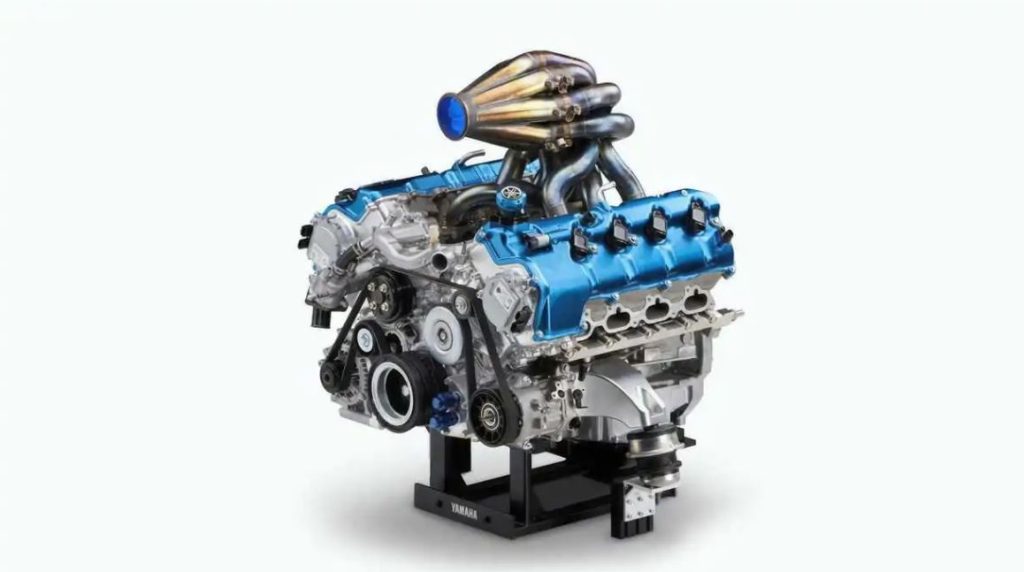
V8 engine
Of course, this will benefit the manufacturers. “We are working to stick to the carbon-neutral target by 2050. At the same time, we have a passion and dedication to internal combustion engines since ‘Engine’ is in the name of our company,” says Yoshihiro Hidaka, president of Yamaha Motors.
The interesting thing is that Yamaha is trying to make the internal combustion hydrogen engine the carbon-neutral choice of oil heads. Because battery and fuel cell vehicles are so quiet, they don’t appeal to a generation that grew up with car sound. Through hydrogen engines, exhaust sound and induction can be returned. Of course, it will not be zero emissions, but it will produce very low emissions. Although electric vehicles are very efficient and fast, drivers can’t have much fun in these digital clutch pedalless cars.
But the sound of car exhaust is still in the dreams of many people. For example, the orchestral sound coming out of the Lexus LFA’s exhaust. Japanese manufacturers are working on both environmentally friendly and more sporty hydrogen combustion engines and are planning to produce an environmentally friendly solution for the user.

Mariana Trench: 8 Fascinating Facts About the Earth’s Deepest Place
10 most famous scientists who contributed to astronomy and space

Top 25 extremely stunning photos of Northern Lights of 2020 revealed

Meteorite makes Indonesian man a millionaire as piece crashes through his roof
It’s Now Possible to Predict Blood Cancer With Ten-Second Videos
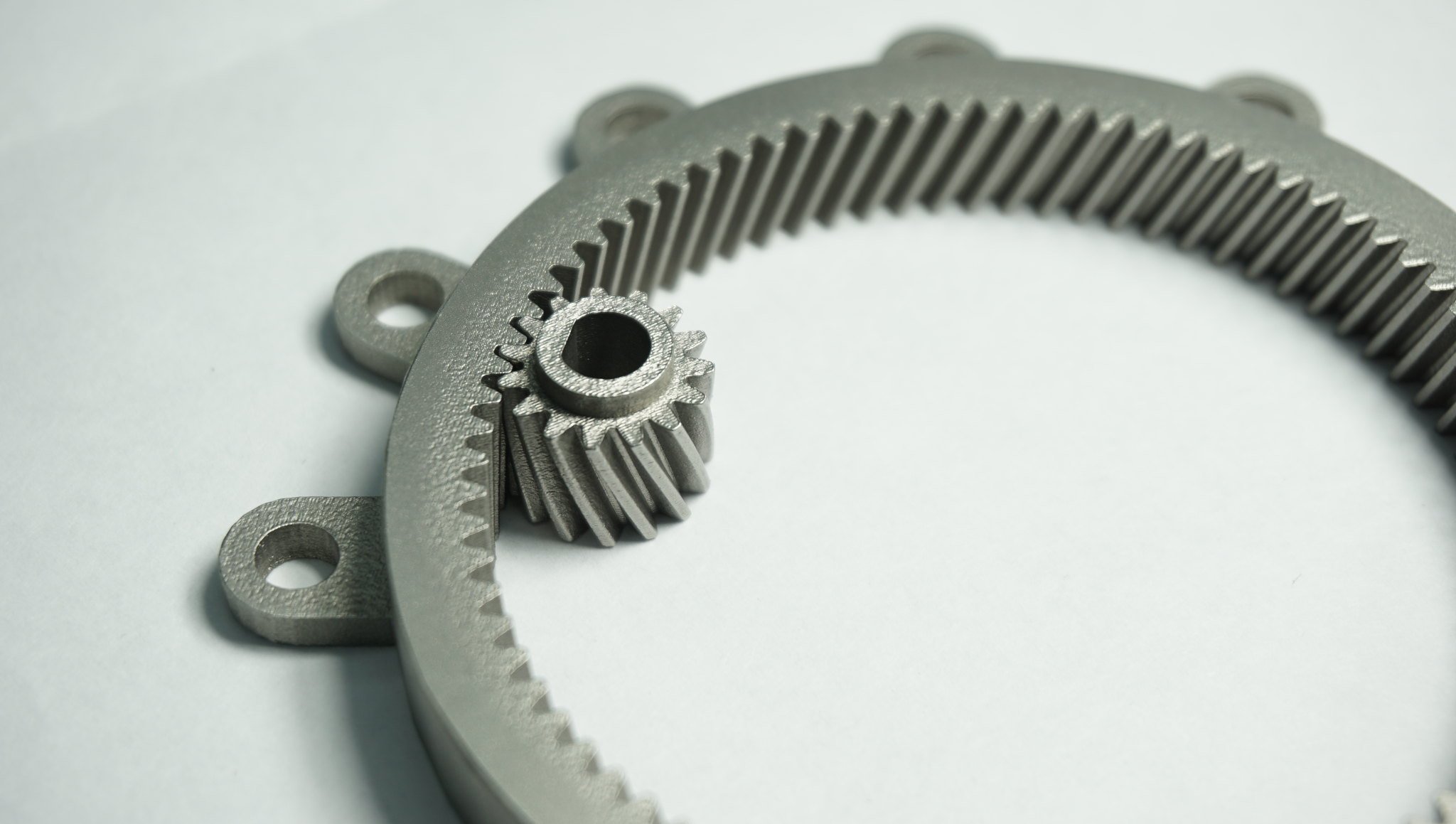
This Inexpensive Method Speeds up Analysis of 3D Printed Metal Parts

SpaceX Dragon: A Game Changer for NASA
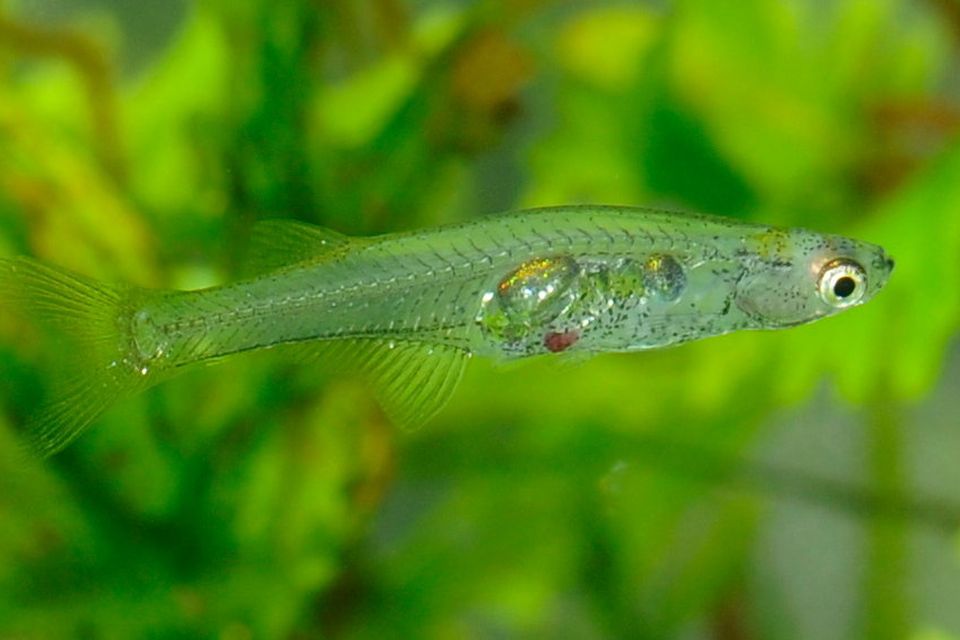
Tiny fish, big boom: This small fish found to roar like a gunshot

Turkish city unveils design of Mars Colony project for tourists

Researchers Reveal the Source of the Electron Rain Phenomenon

A New Study Reveals How Climate Change Will Affect Sound Travels Underwater
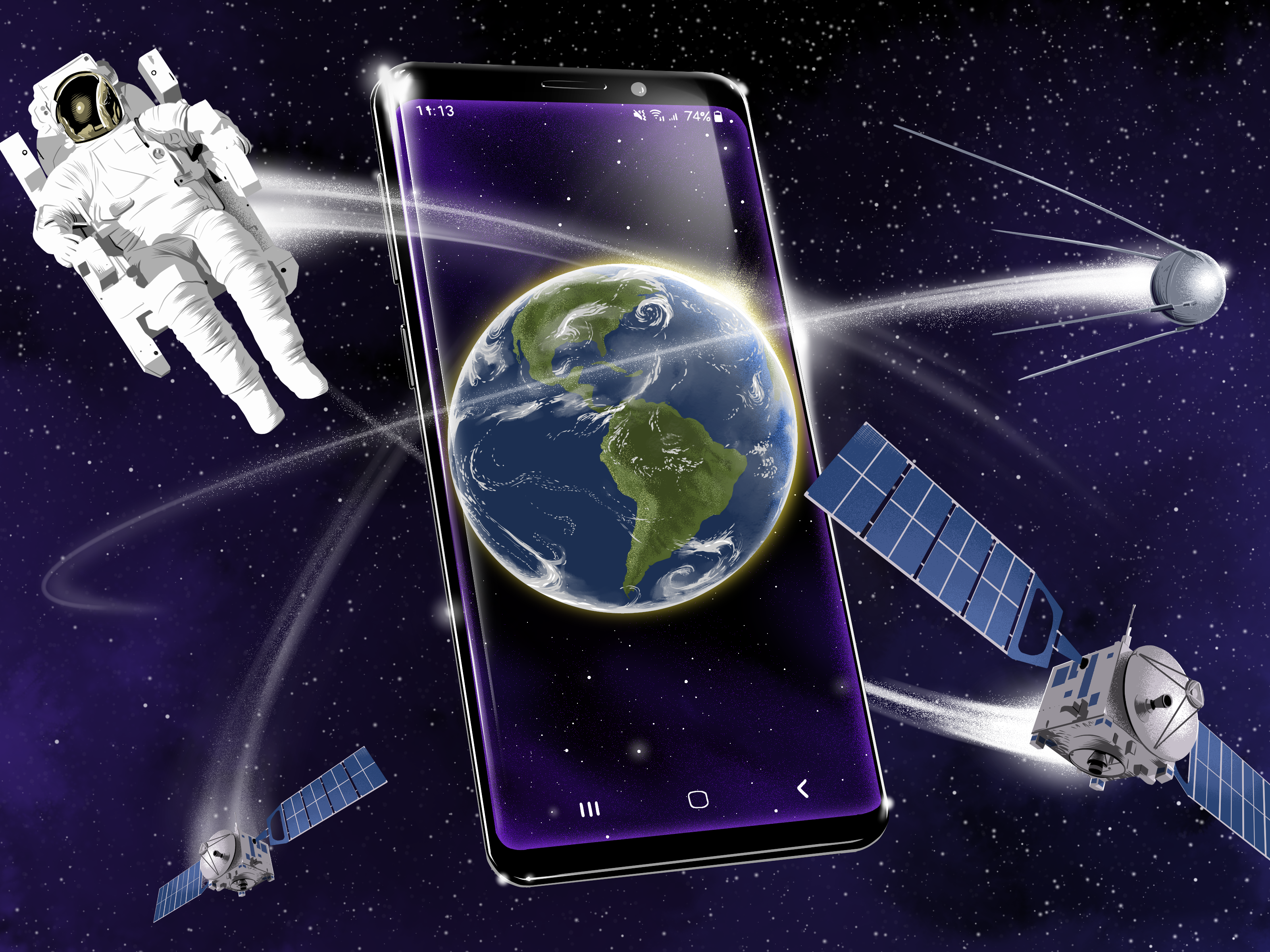
Here Are 6 Space Technologies We Can Benefit to Improve Life on Earth
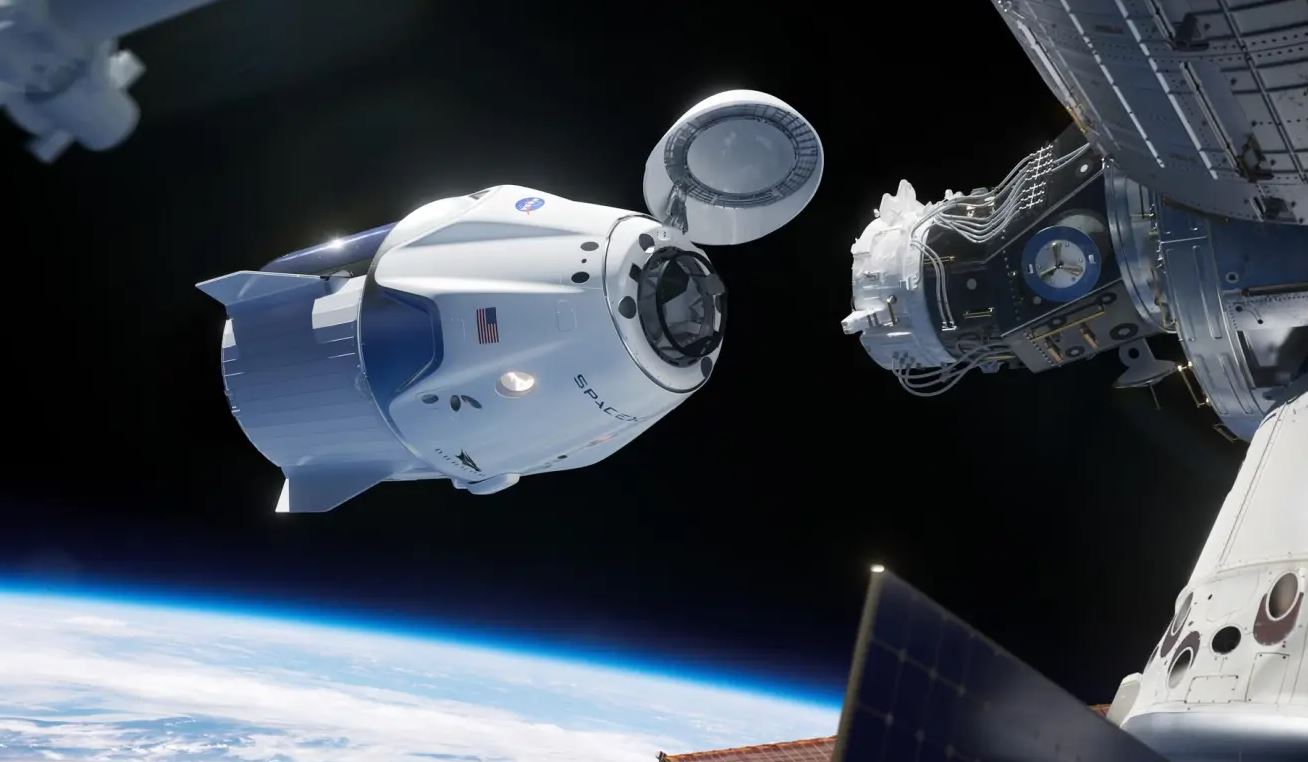
SpaceX Announced Crew Dragon Will No Longer Be Produced
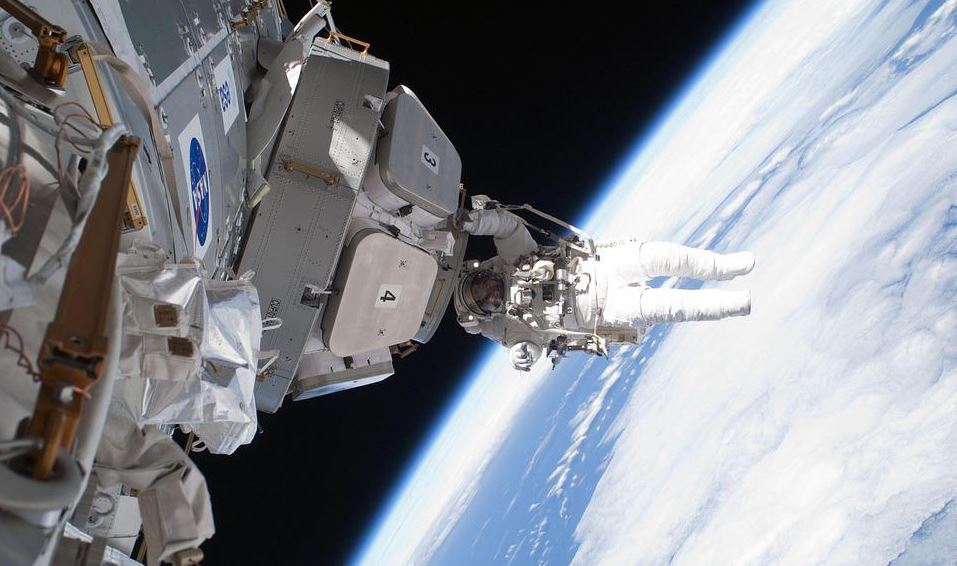
Russia Warns Sanctions on Moscow Could Endanger the ISS
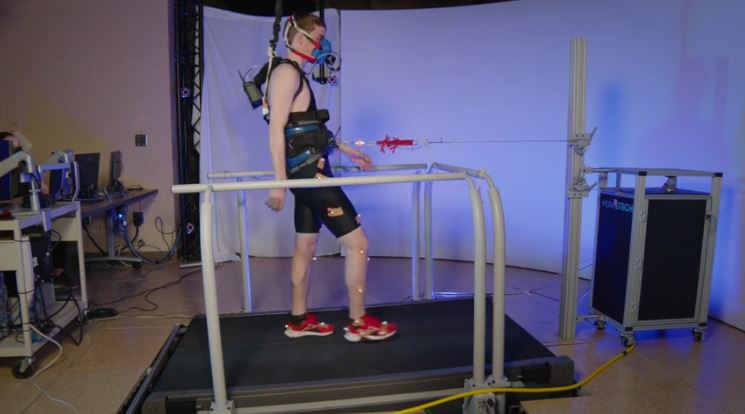
A New Study Reveals How to Make Walking Easier

Remote-control cars to race on the Moon in 2021

Space Debris Problem Is Getting Worse: Causes and Removal Efforts of Rambling Junk

Microplastic Pollution Detected in Human Blood for the First Time

Nvidia CEO declares coding’s end in AI era
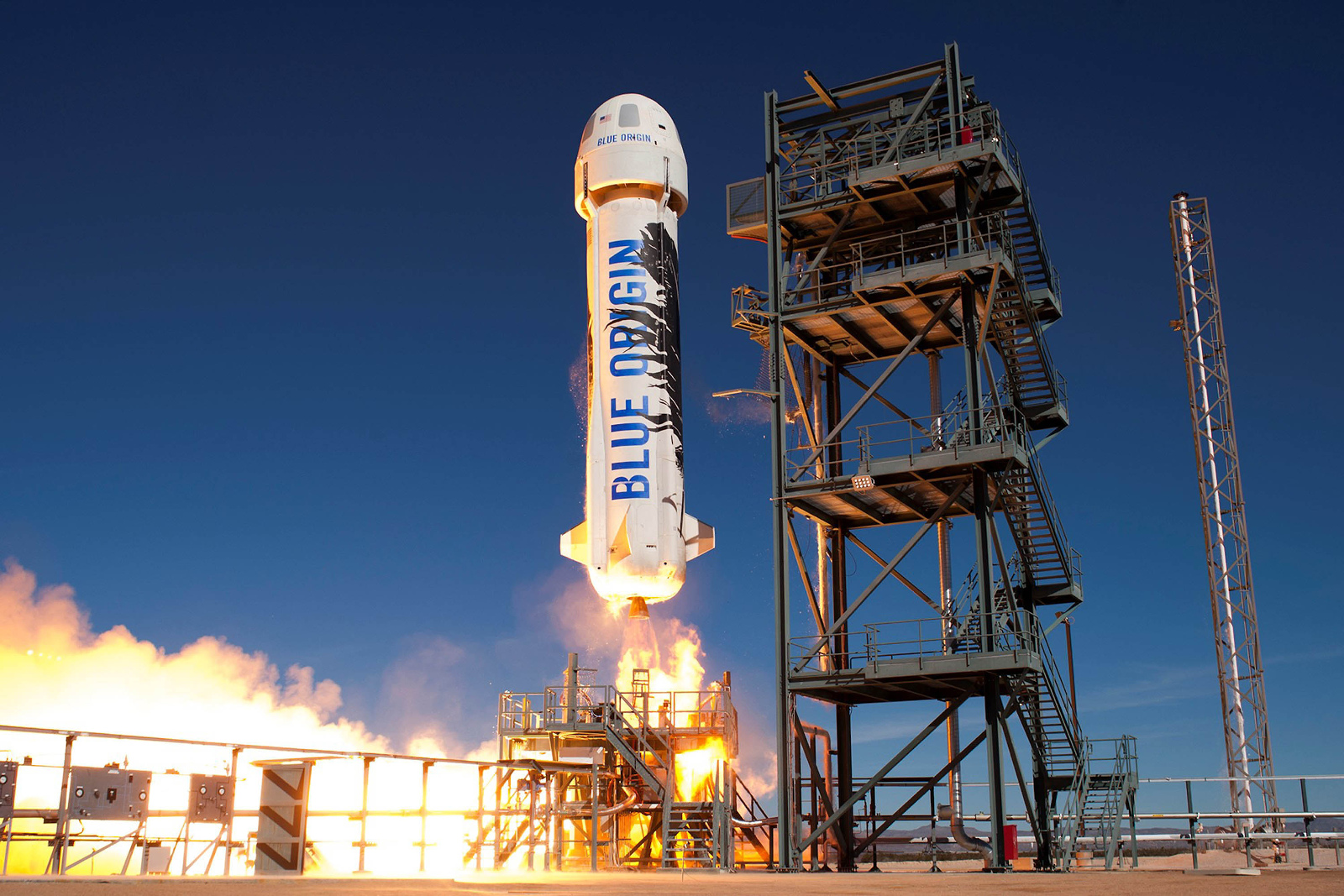
Here Is Blue Origin’s Touristic Rocket: The New Shepard Design
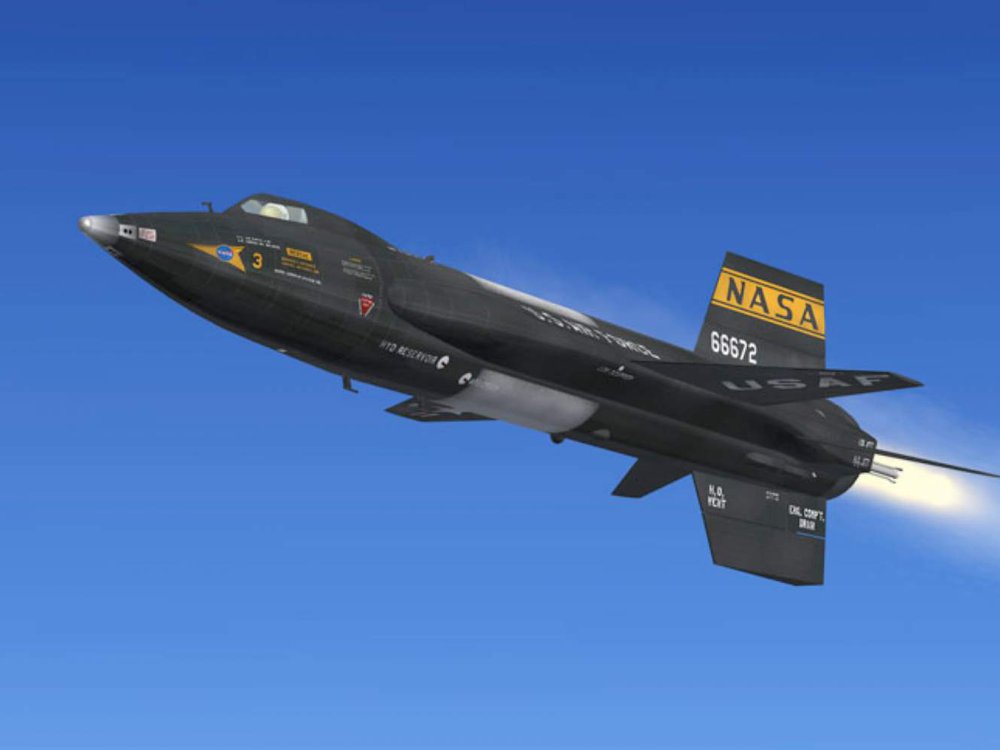
The Fastest Manned Plane in the World: Here’s The Insane Engineering of the X-15
Here Are 6 Space Technologies We Can Benefit to Improve Life on Earth
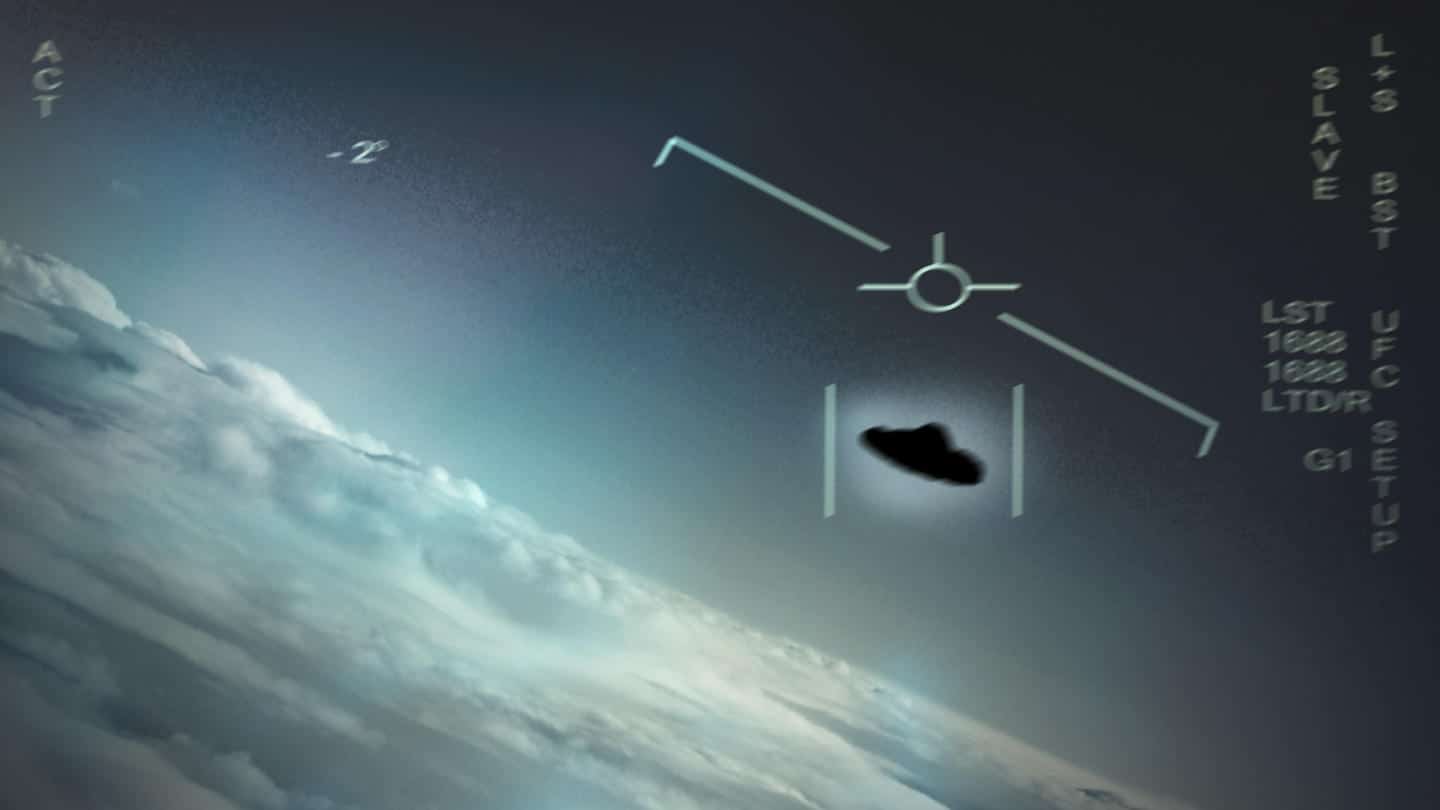
Pentagon Formed A New Group To Investigate UFO Reports
Space Debris Problem Is Getting Worse: Causes and Removal Efforts of Rambling Junk
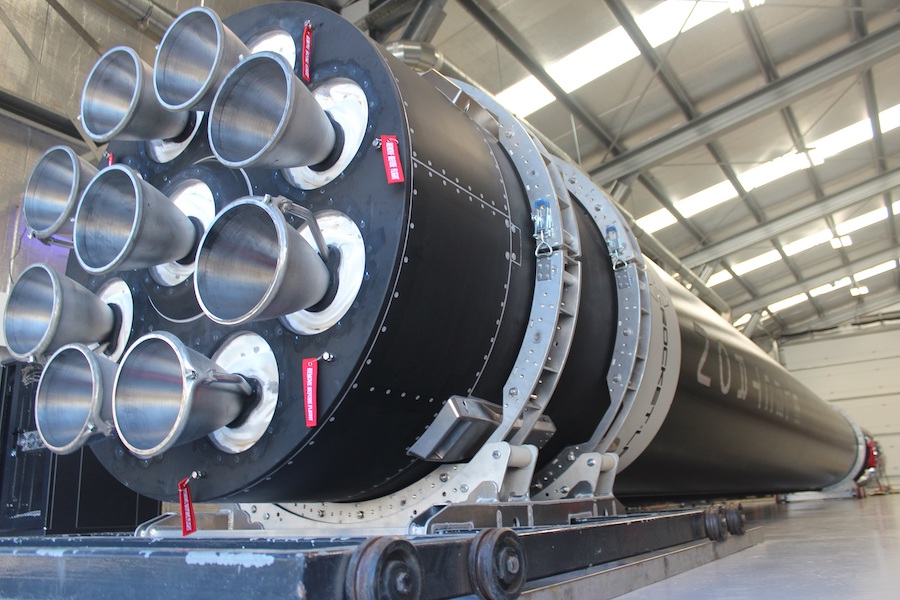
From New Zealand to the US: The Rocket Lab Story
Here Is Blue Origin’s Touristic Rocket: The New Shepard Design

Take a Look at Earth From Space: Glasgow, Scotland
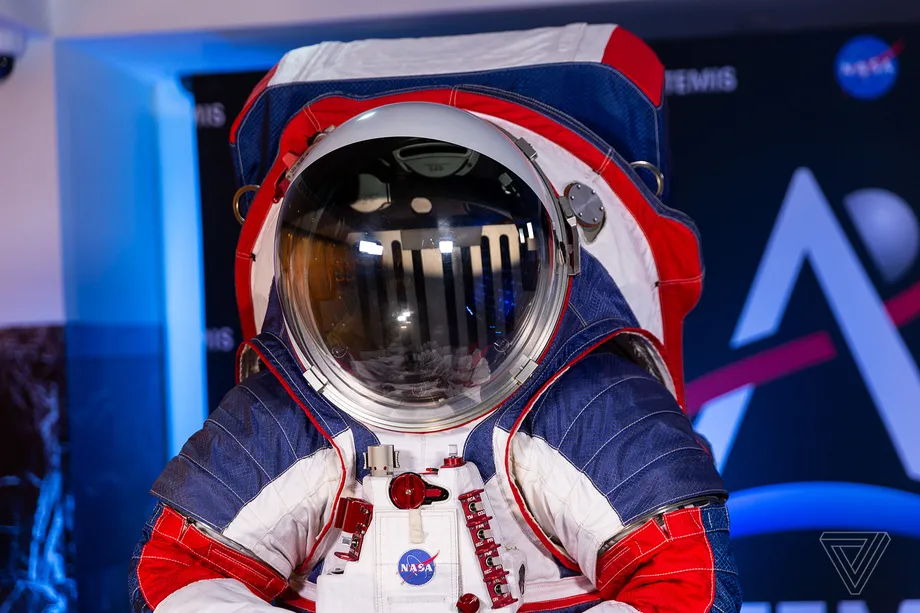
NASA Is Preparing Next Generation Spacesuits for Moon Mission and Beyond
Remote-control cars to race on the Moon in 2021
Meteorite makes Indonesian man a millionaire as piece crashes through his roof
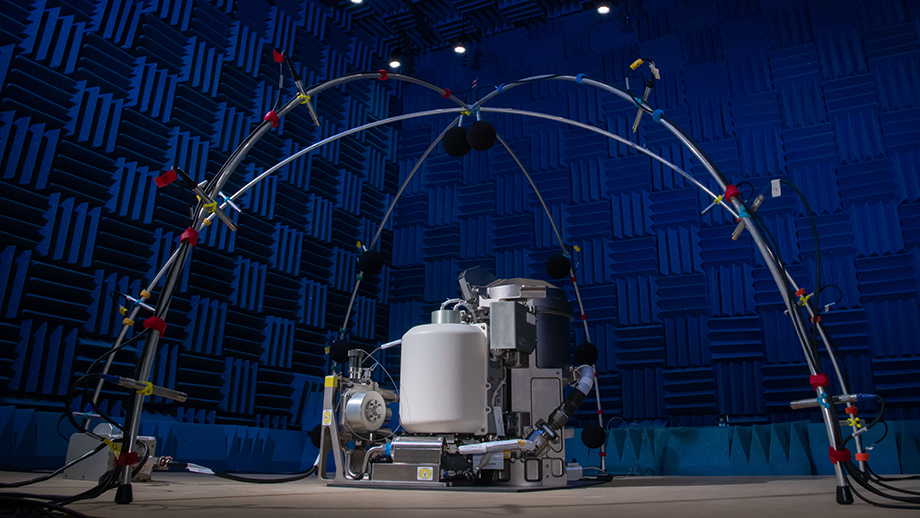
NASA sends a new Space toilet for astronauts to ISS

 Earth & Energy5 years ago
Mariana Trench: 8 Fascinating Facts About the Earth’s Deepest Place

 Space6 years ago
10 most famous scientists who contributed to astronomy and space
- Skywatching6 years ago
Top 25 extremely stunning photos of Northern Lights of 2020 revealed
- Engineering6 years ago
Meteorite makes Indonesian man a millionaire as piece crashes through his roof

 Science5 years ago
It’s Now Possible to Predict Blood Cancer With Ten-Second Videos
 Engineering5 years ago
This Inexpensive Method Speeds up Analysis of 3D Printed Metal Parts
- Infographic6 years ago
SpaceX Dragon: A Game Changer for NASA

 Earth & Energy3 years ago
Tiny fish, big boom: This small fish found to roar like a gunshot