
Engineering
Remote-control cars to race on the Moon in 2021
Space race is taking on a new dimension.


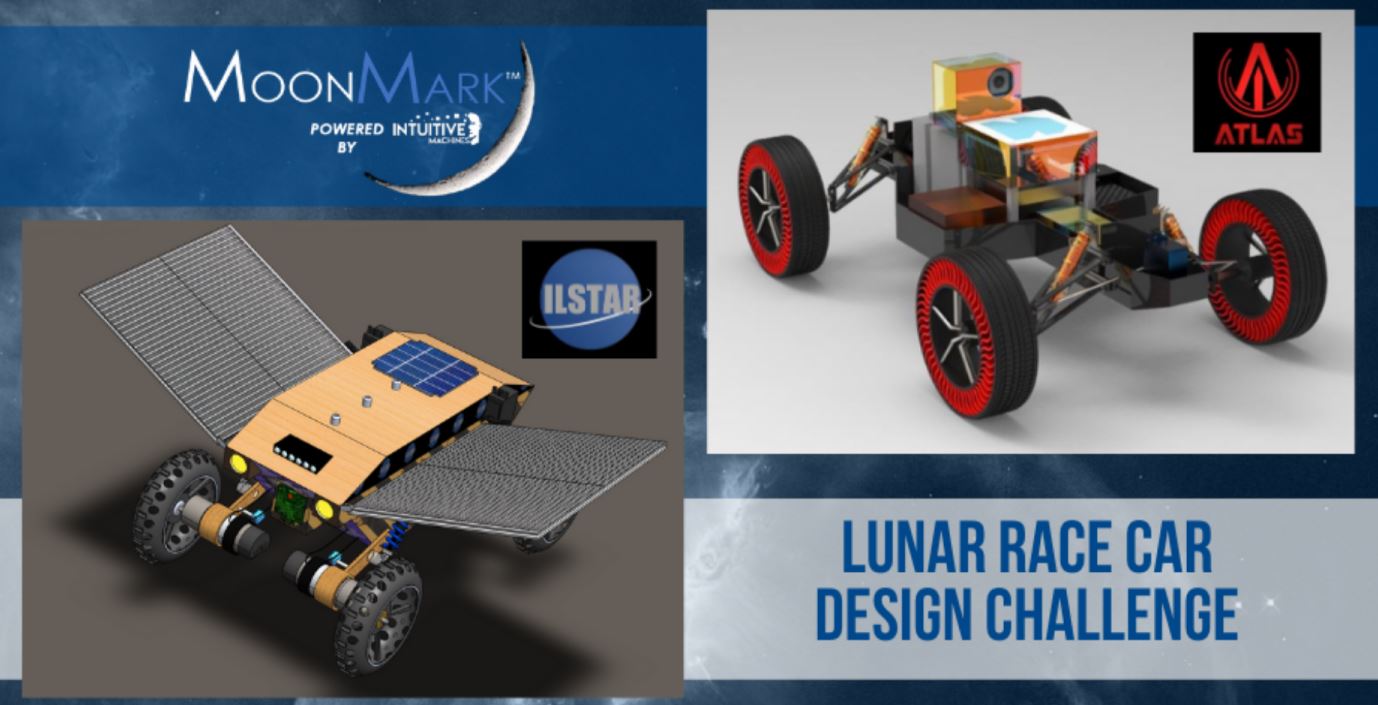
High school students around the world will race with their cars in the first-ever contest on the Moon in 2021: Moon car race.
SpaceX’s Falcon 9 rocket will carry two race cars to the Moon next October, that are being designed by Frank Stephenson, McLaren P1 designer.
Two teams will be selected to the space race after an eight-weeks elimination, for which six teams of five members will compete to become the final two to participate in the competition.
The winning parties will work with Stephenson to build a vehicle that will race on the Moon, where gravity is weaker and surface is rugged. Designs will be completed in Houston, Texas.
Each car, that will be deployed via Intuitive Machines’ Nova-C lander, will weight 5.5lb (2.49 kilograms). US-based education company Moon Mark is sponsoring the project.

Credit: Moon Mark.
“We look forward to enabling racers on the Moon and being a part of the journey to bring space to the world,” said Justin Cyrus, CEO of Lunar Outpost, a private space firm that Moon Mark works with.
Referring to Lunar Outpost, Moon Mark’s CEO Mary Hagy said: “Their expertise in developing lunar rovers ensures that our racing teams will have the technical background to accomplish the mission and leave a scientific legacy after the checkered flag waves.”
A number of things including dust filtration, traction, weight, materials, durability and stability will have to be considered by the students.
An obstacle of the Moon car race
The low-gravity environment of the Moon brings about a major obstacle: flipping over. If the cars tumble, it is impossible to mend them. So the design needs to contain a feature to put the cars upright.
Built by Lunar Outpost, the racers will connect with the Intuitive Machines lander via WiFi.
Credit: Moon Mark.
Method of controlling the vehicles
The lander will send and receive telemetry, commands and controls to and from the Earth to drive the racers, according to Moon Mark CTO Todd Wallach.
Additionally, the lunar track itself will be designed by Hermann Tilke, the name behind Formula 1 circuits around the world. He designed many of the tracks, one of which is Intercity Istanbul Park.
The cost of the launch to Earth’s only natural satellite is expected to be about $10 million.
Russia, China and the US have made a soft landing on the surface of the Moon. India’s mission have failed.
The Moon has come to the fore because of China’s Chang’e 5 mission, the country’s first lunar sample return mission.
Bonus: Apollo 16 Lunar Rover “Grand Prix”

Mariana Trench: 8 Fascinating Facts About the Earth’s Deepest Place
10 most famous scientists who contributed to astronomy and space

Top 25 extremely stunning photos of Northern Lights of 2020 revealed

Meteorite makes Indonesian man a millionaire as piece crashes through his roof

It’s Now Possible to Predict Blood Cancer With Ten-Second Videos
This Inexpensive Method Speeds up Analysis of 3D Printed Metal Parts

SpaceX Dragon: A Game Changer for NASA
Tiny fish, big boom: This small fish found to roar like a gunshot

Turkish city unveils design of Mars Colony project for tourists

Researchers Reveal the Source of the Electron Rain Phenomenon
A New Study Reveals How Climate Change Will Affect Sound Travels Underwater
Here Are 6 Space Technologies We Can Benefit to Improve Life on Earth
SpaceX Announced Crew Dragon Will No Longer Be Produced
Russia Warns Sanctions on Moscow Could Endanger the ISS
A New Study Reveals How to Make Walking Easier
Remote-control cars to race on the Moon in 2021
Space Debris Problem Is Getting Worse: Causes and Removal Efforts of Rambling Junk

Microplastic Pollution Detected in Human Blood for the First Time

Nvidia CEO declares coding’s end in AI era
Here Is Blue Origin’s Touristic Rocket: The New Shepard Design
The Fastest Manned Plane in the World: Here’s The Insane Engineering of the X-15
Here Are 6 Space Technologies We Can Benefit to Improve Life on Earth
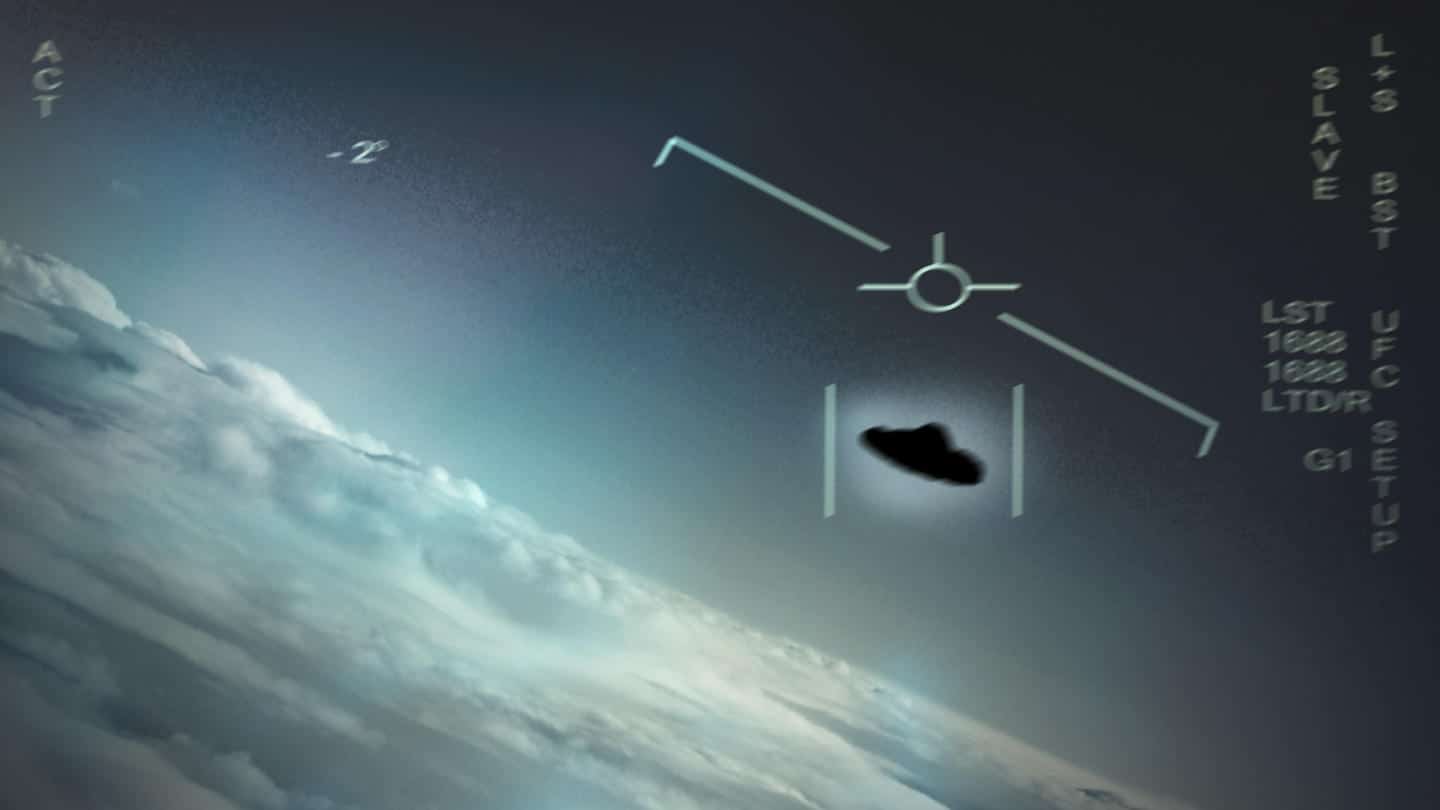
Pentagon Formed A New Group To Investigate UFO Reports
Space Debris Problem Is Getting Worse: Causes and Removal Efforts of Rambling Junk
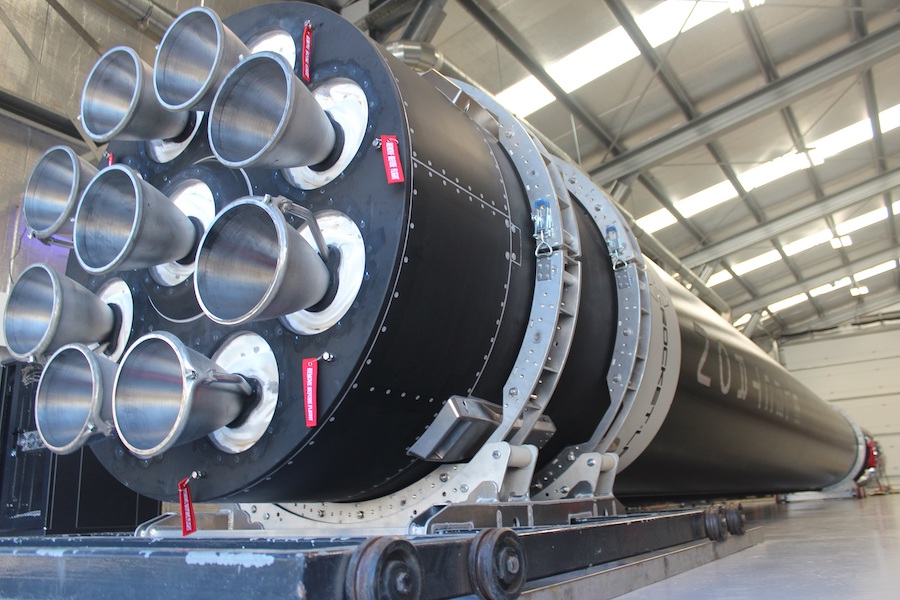
From New Zealand to the US: The Rocket Lab Story
Here Is Blue Origin’s Touristic Rocket: The New Shepard Design
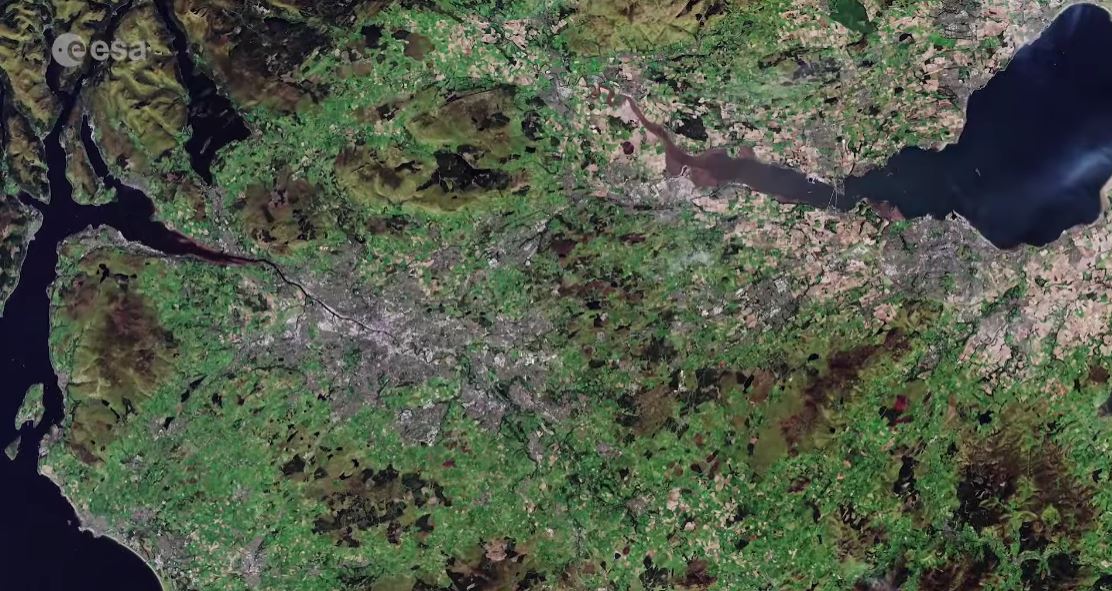
Take a Look at Earth From Space: Glasgow, Scotland
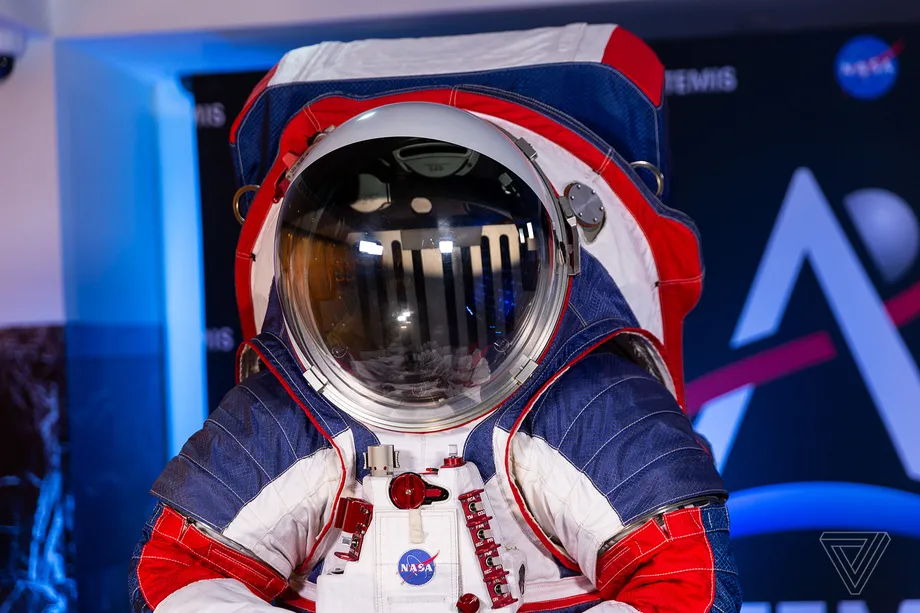
NASA Is Preparing Next Generation Spacesuits for Moon Mission and Beyond
Remote-control cars to race on the Moon in 2021
Meteorite makes Indonesian man a millionaire as piece crashes through his roof
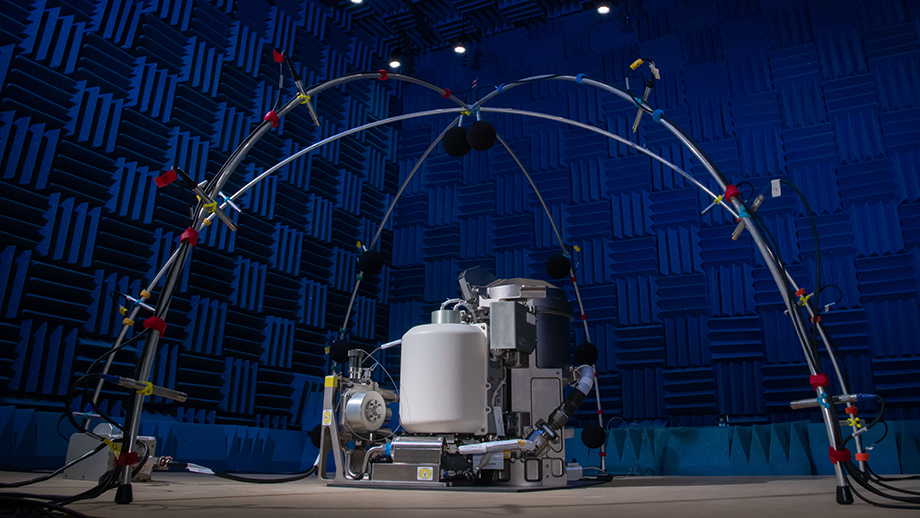
NASA sends a new Space toilet for astronauts to ISS

 Earth & Energy5 years ago
Mariana Trench: 8 Fascinating Facts About the Earth’s Deepest Place

 Space6 years ago
10 most famous scientists who contributed to astronomy and space
- Skywatching6 years ago
Top 25 extremely stunning photos of Northern Lights of 2020 revealed
- Engineering6 years ago
Meteorite makes Indonesian man a millionaire as piece crashes through his roof

 Science5 years ago
It’s Now Possible to Predict Blood Cancer With Ten-Second Videos
 Engineering5 years ago
This Inexpensive Method Speeds up Analysis of 3D Printed Metal Parts
- Infographic6 years ago
SpaceX Dragon: A Game Changer for NASA

 Earth & Energy3 years ago
Tiny fish, big boom: This small fish found to roar like a gunshot