
Engineering
A craving for ‘likes’ on social media leads us to behave like a hungry rat, study claims
“With more ‘likes,’ the better you feel about it.”


Are you so obsessed with social media likes? Does Instagram likes make you feel better and validated?
Social media per se become a short way out for some people from their reality. In today’s society, the amount of time that people spend on social media is increasing. In fact, people check on their social networking sites in every minute or hour just to stay up-to-date.
According to new study published in the Journal of Behavioural Addiction, not only does time spent on social media platforms waste countless hours of the day, excessive use is starting to affect peoples’ decision making abilities and make them more likely engage in ‘risky behaviour.’
Social media likes’ negative effect on people
People post pictures, memes or videos on social media only to get contentment of knowing how many people like their posts. According to an article by Harvard University researcher Trevor Haynes, when you get a social media notification, your brain sends a chemical messenger called dopamine along a reward pathway, which makes you feel good.
Dopamine is associated with food, exercise, love, and now, social media. The dopamine from social media ‘likes’ you receive, will condition your brain to behave like a rat that is craving for food, the new study revealed.

Getty Images
In the recent study using computational model carried out by the team of international scientists, it showed a direct correlation between the frequency with which a person posts and how many ‘likes’ their posts receive.
A paper published in the science journal Nature Communication also provides evidence corroborating the findings, the teams liken this behaviour to the food reward-based behaviour seen in rats in a Skinner Box.
Operant conditioning chamber developed in the 20th century
Developed by the scientist B.F. Skinner in the early 20th century, the Skinner Box, or “operant conditioning chamber,” is a tool that studies classic conditioning. It’s a variation of a puzzle box that rewards a small animal —often a rat— in experiments with food when it performs certain tasks, like pressing a lever.
In the new study’s scenario, the Skinner Box is the internet, the lever is posting something like a popular meme or funny comment, and humans are the rats.
“When you post something, you’re excited about getting ‘likes’ from other people. With more ‘likes,’ the better you feel about it, and perhaps the more likely you are to post again,” Dr. David Amodio, a professor of psychology and neural science at New York University, said to Newsweek.
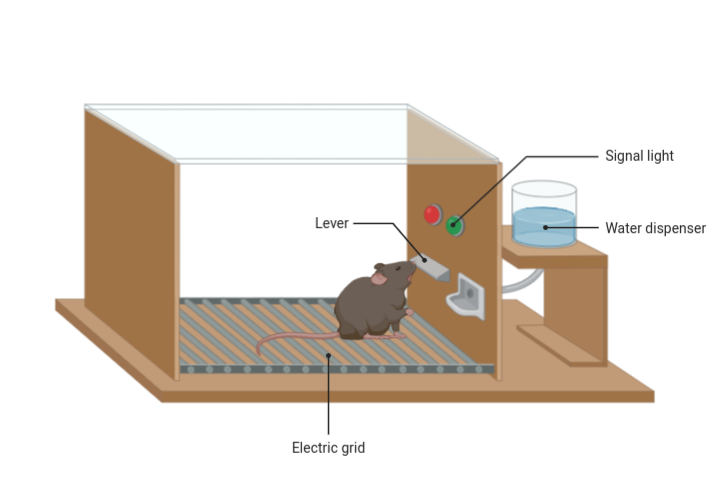
Skinner Box
Amodio and his team began by analyzing a data set comprised of more than one million posts from around 2,000 Instagram users, along with approximately 2,000 more users from various online forums. They then brought in 176 participants for the experimental study. These participants used an online environment designed to mimic Instagram. They could post memes and other content, while interacting to both receive and give “likes.”
“We manipulated, unbeknownst to the participants, whether they were getting a high rate of ‘likes’ or a low rate,” Dr. Amodio explained. “What we found was when they received the higher rate of ‘likes,’ they posted more often.”

Mariana Trench: 8 Fascinating Facts About the Earth’s Deepest Place
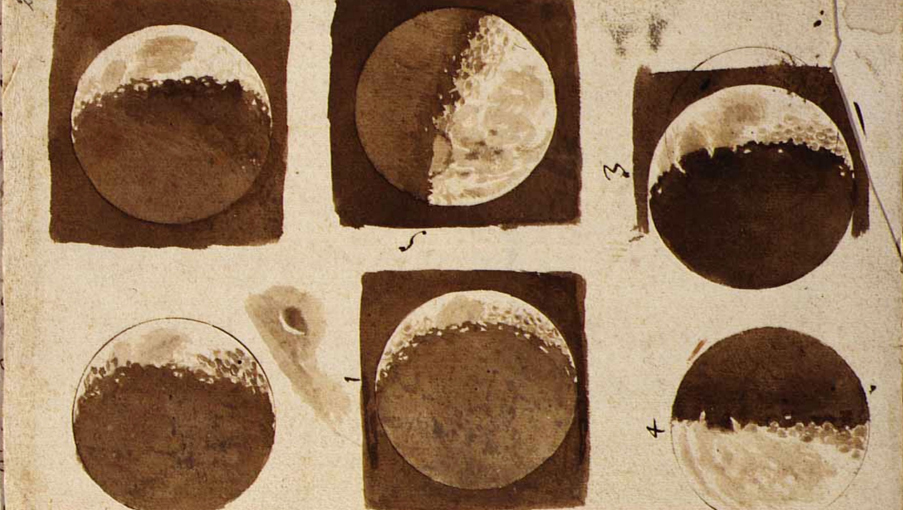
10 most famous scientists who contributed to astronomy and space

Top 25 extremely stunning photos of Northern Lights of 2020 revealed

Meteorite makes Indonesian man a millionaire as piece crashes through his roof
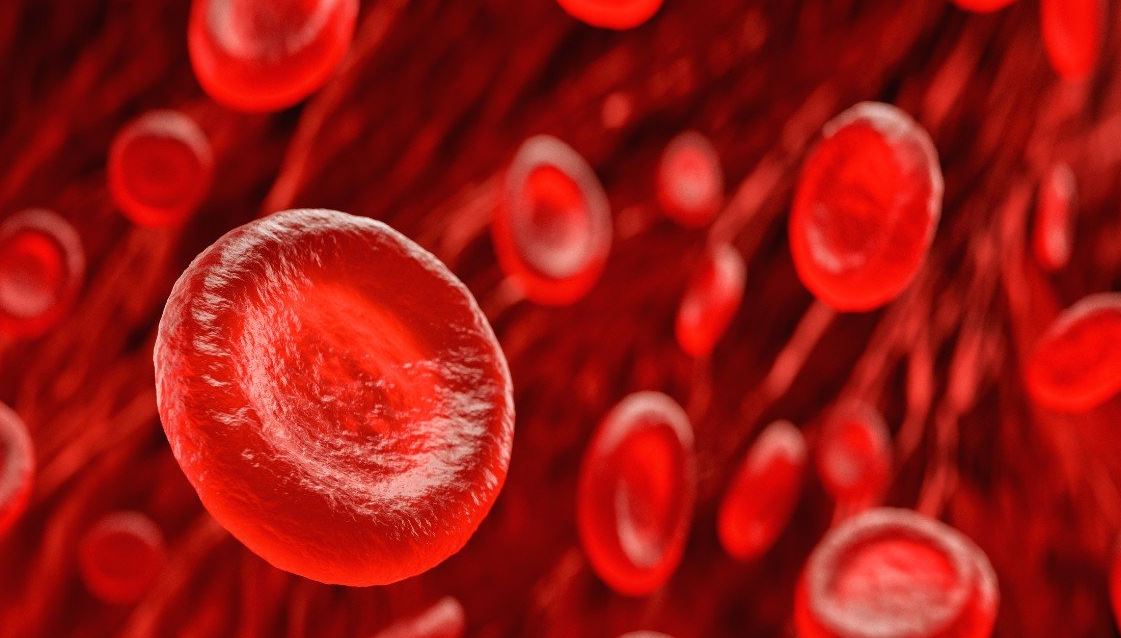
It’s Now Possible to Predict Blood Cancer With Ten-Second Videos
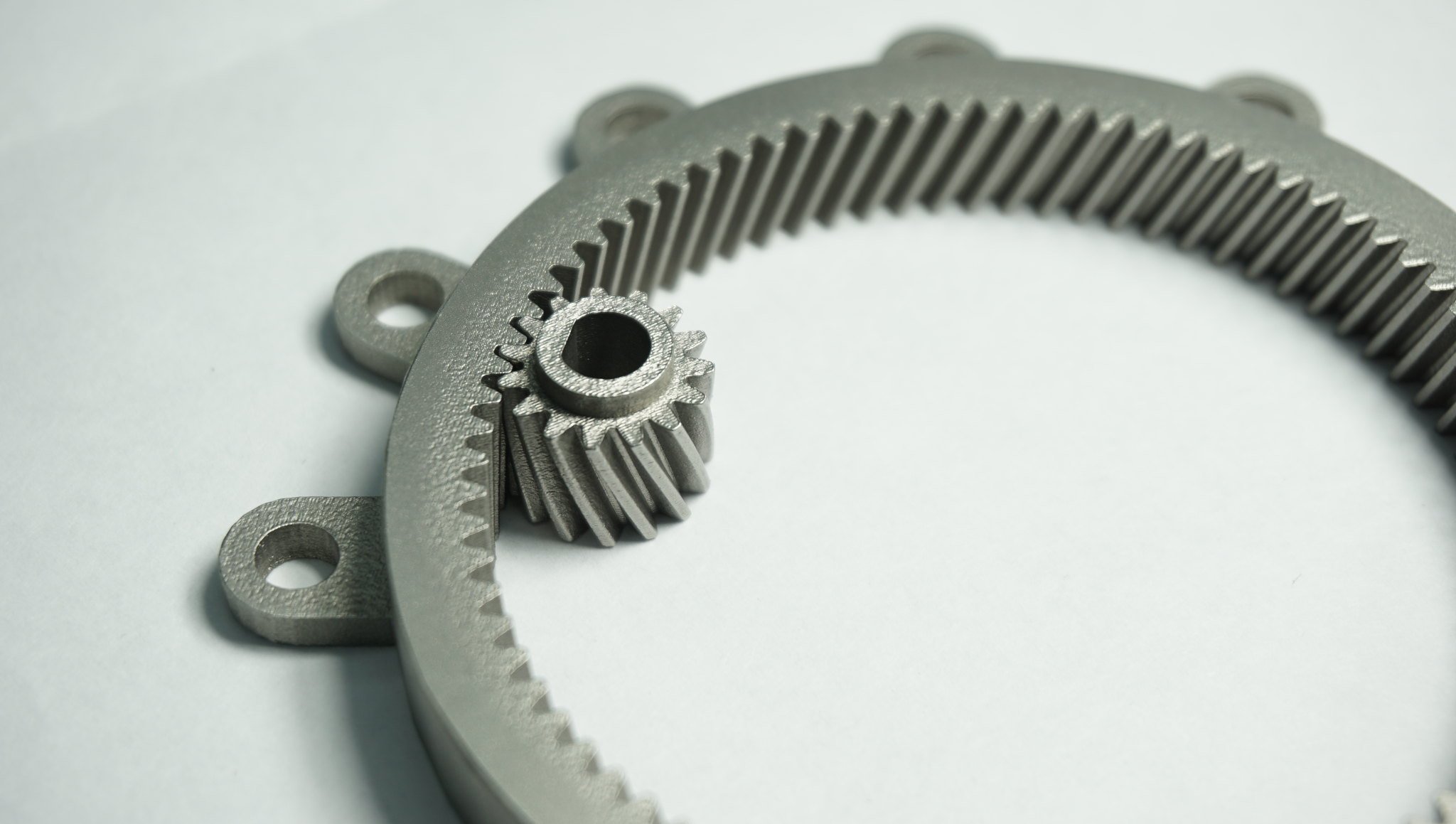
This Inexpensive Method Speeds up Analysis of 3D Printed Metal Parts

SpaceX Dragon: A Game Changer for NASA
Tiny fish, big boom: This small fish found to roar like a gunshot

Turkish city unveils design of Mars Colony project for tourists

Researchers Reveal the Source of the Electron Rain Phenomenon
A New Study Reveals How Climate Change Will Affect Sound Travels Underwater
Here Are 6 Space Technologies We Can Benefit to Improve Life on Earth
SpaceX Announced Crew Dragon Will No Longer Be Produced
Russia Warns Sanctions on Moscow Could Endanger the ISS
A New Study Reveals How to Make Walking Easier

Remote-control cars to race on the Moon in 2021
Space Debris Problem Is Getting Worse: Causes and Removal Efforts of Rambling Junk
Microplastic Pollution Detected in Human Blood for the First Time

Nvidia CEO declares coding’s end in AI era
Here Is Blue Origin’s Touristic Rocket: The New Shepard Design

The Fastest Manned Plane in the World: Here’s The Insane Engineering of the X-15
Here Are 6 Space Technologies We Can Benefit to Improve Life on Earth

Pentagon Formed A New Group To Investigate UFO Reports
Space Debris Problem Is Getting Worse: Causes and Removal Efforts of Rambling Junk
From New Zealand to the US: The Rocket Lab Story
Here Is Blue Origin’s Touristic Rocket: The New Shepard Design

Take a Look at Earth From Space: Glasgow, Scotland
NASA Is Preparing Next Generation Spacesuits for Moon Mission and Beyond
Remote-control cars to race on the Moon in 2021
Meteorite makes Indonesian man a millionaire as piece crashes through his roof
NASA sends a new Space toilet for astronauts to ISS

 Earth & Energy5 years ago
Mariana Trench: 8 Fascinating Facts About the Earth’s Deepest Place

 Space6 years ago
10 most famous scientists who contributed to astronomy and space
- Skywatching6 years ago
Top 25 extremely stunning photos of Northern Lights of 2020 revealed
- Engineering6 years ago
Meteorite makes Indonesian man a millionaire as piece crashes through his roof

 Science5 years ago
It’s Now Possible to Predict Blood Cancer With Ten-Second Videos
 Engineering5 years ago
This Inexpensive Method Speeds up Analysis of 3D Printed Metal Parts
- Infographic6 years ago
SpaceX Dragon: A Game Changer for NASA

 Earth & Energy3 years ago
Tiny fish, big boom: This small fish found to roar like a gunshot