
Tech
Shadows Can Also Generate Electricity, Here’s How
A prototype device that produces energy through the interaction of darkness and light.

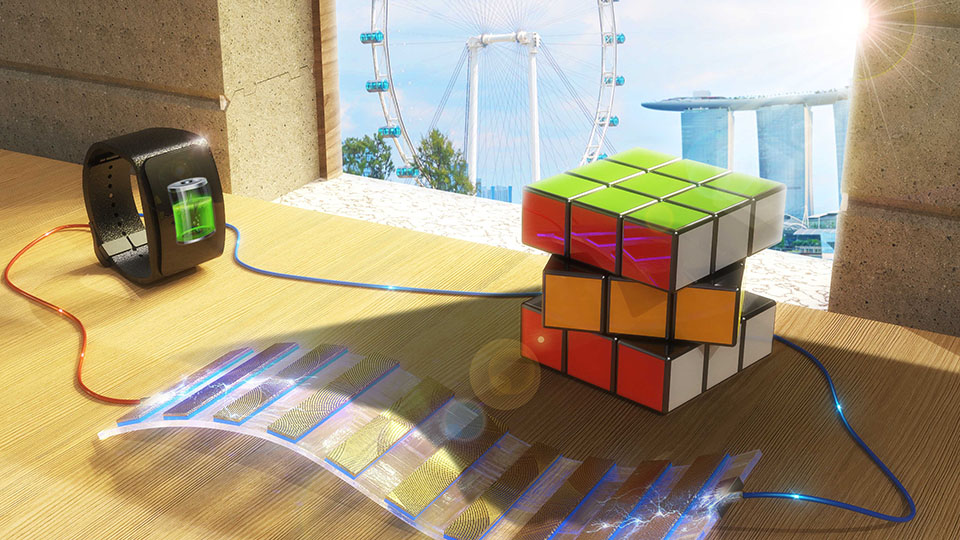
A group of scientists from the National University of Singapore (NUS) made a breakthrough in 2020 by using shadows to generate electricity. The study, which was published in the journal Energy & Environmental Science, revealed how renewable energy is generated in the presence of indoor lighting. The group then invented a device known as the Shadow-Effect Energy Generator (SEG). Let’s take a look at how this fascinating concept works.
Illumination contrasts in harvesting energy
Solar cells reject the presence of shadows, which disrupts the stability of sunlight as the primary source. Even a small amount of shade can reduce the output of a solar cell. Tan Swee Ching, the research leader of the NUS, said, “In conventional photovoltaic or optoelectronic applications where a steady source of light is used to power devices, the presence of shadows is undesirable since it degrades the performance of devices.”
The SEG, on the other hand, requires a shadow to produce energy. This device is made up of SEG cells, each of which is a thin layer of gold inserted into a silicon wafer, which is a common solar cell coating material. The cells are arranged on a flexible and transparent plastic film. When light strikes the silicon, electrons are released from its atoms, resulting in an energy flow. The process is similar to that of solar cells, but the gold layer distinguishes it.
When the device is partially in shadow, it generates a bigger electric current. According to Ching, they use the contrast of illumination caused by shadows as an indirect power. “The contrast in illumination induces a voltage difference between the shadow and illuminated sections, resulting in an electric current. This novel concept of harvesting energy in the presence of shadows is unprecedented,” he said.
The developers of the shadow-based generator revealed that certain areas of the device cells must be in shadow, while others require illumination in order for the device to function. “When the whole SEG cell is under illumination or in shadow, the amount of electricity generated is very low or none at all. When a part of the SEG cell is illuminated, a significant electrical output is detected,” Professor Andrew Wee, a co-team leader at NUS Physics, stated.
So, it is the contrast of shadow and light that enables the SEG device to function optimally. The SEG can generate power in the presence of a constantly shifting shadow, such as that caused by cloud movement.
A more effective and efficient functionality
The researchers believe that with the prospect of renewable energy sources, the capacity of this SEG device can be developed. The SEG is capable of producing enough power to run a digital watch. Portable electronic devices that are used indoors and outdoors, such as digital watches, calculators, and power banks, require an efficient yet long-lasting power supply.
When these electronic devices are used outdoors, solar cells can play a role. However, due to the presence of shadows or a lack of sunlight, the energy output of these devices can be significantly reduced when used indoors. The innovation of the SEG device then represents a way out, by recognizing the potential of ambient light under minimal indoor lighting conditions.
Aside from generating electricity, the SEG also records the shadow movements of objects that pass it by. “The SEG can serve as a self-powered sensor for monitoring moving objects. When an object passes by SEG, it casts an intermittent shadow on the device and triggers the sensor to record the presence and movement of the object,” the NUS News mentioned.
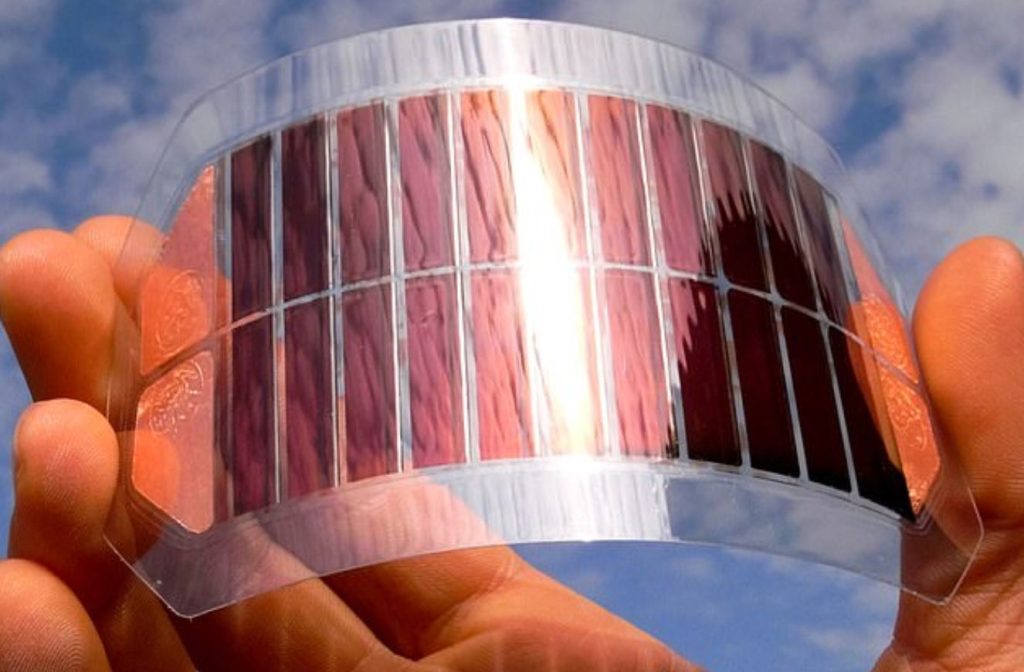
Twitter photo
Low-cost energy
The NUS team planned to develop this research and thought of making the SEG available for mass and home use. One of the ideas is to replace the gold film with a more cost-effective material to reduce the SEG’s production costs.
According to Ching, cities are the SEG’s target environment. This is due to the fact that it allows for contrasting illumination produced by shadows and lights caused by cloud movement and the occupation of tall buildings. “It’s not practical to place solar cells in such cities. So the device might come in handy in places like very densely populated cities, where skyscrapers are everywhere, where shadows are always persistent,” Ching said.
The NUS team also aimed at creating self-powered sensors and SEG devices that could be used and carried around for daily activities. The SEG can therefore provide efficiency and economic value. Their laboratory tests revealed that four SEG cells were twice as efficient as silicon solar cells.
“Shadows are omnipresent, and we often take them for granted,” said Tan Swee Ching, a materials scientist from the National University of Singapore (NUS).

Mariana Trench: 8 Fascinating Facts About the Earth’s Deepest Place
10 most famous scientists who contributed to astronomy and space

Top 25 extremely stunning photos of Northern Lights of 2020 revealed

Meteorite makes Indonesian man a millionaire as piece crashes through his roof
It’s Now Possible to Predict Blood Cancer With Ten-Second Videos

This Inexpensive Method Speeds up Analysis of 3D Printed Metal Parts

SpaceX Dragon: A Game Changer for NASA
Tiny fish, big boom: This small fish found to roar like a gunshot

Turkish city unveils design of Mars Colony project for tourists

Researchers Reveal the Source of the Electron Rain Phenomenon

A New Study Reveals How Climate Change Will Affect Sound Travels Underwater
Here Are 6 Space Technologies We Can Benefit to Improve Life on Earth
SpaceX Announced Crew Dragon Will No Longer Be Produced
Russia Warns Sanctions on Moscow Could Endanger the ISS
A New Study Reveals How to Make Walking Easier

Remote-control cars to race on the Moon in 2021

Space Debris Problem Is Getting Worse: Causes and Removal Efforts of Rambling Junk

Microplastic Pollution Detected in Human Blood for the First Time

Nvidia CEO declares coding’s end in AI era

Here Is Blue Origin’s Touristic Rocket: The New Shepard Design

The Fastest Manned Plane in the World: Here’s The Insane Engineering of the X-15
Here Are 6 Space Technologies We Can Benefit to Improve Life on Earth
Pentagon Formed A New Group To Investigate UFO Reports
Space Debris Problem Is Getting Worse: Causes and Removal Efforts of Rambling Junk
From New Zealand to the US: The Rocket Lab Story
Here Is Blue Origin’s Touristic Rocket: The New Shepard Design

Take a Look at Earth From Space: Glasgow, Scotland
NASA Is Preparing Next Generation Spacesuits for Moon Mission and Beyond
Remote-control cars to race on the Moon in 2021
Meteorite makes Indonesian man a millionaire as piece crashes through his roof
NASA sends a new Space toilet for astronauts to ISS

 Earth & Energy5 years ago
Mariana Trench: 8 Fascinating Facts About the Earth’s Deepest Place

 Space6 years ago
10 most famous scientists who contributed to astronomy and space
- Skywatching6 years ago
Top 25 extremely stunning photos of Northern Lights of 2020 revealed
- Engineering6 years ago
Meteorite makes Indonesian man a millionaire as piece crashes through his roof

 Science5 years ago
It’s Now Possible to Predict Blood Cancer With Ten-Second Videos
 Engineering5 years ago
This Inexpensive Method Speeds up Analysis of 3D Printed Metal Parts
- Infographic6 years ago
SpaceX Dragon: A Game Changer for NASA

 Earth & Energy3 years ago
Tiny fish, big boom: This small fish found to roar like a gunshot