
Tech
Elon Musk’s Neuralink Will Launch Trials in Humans. But Scientists Are Concerned
“I’m always cautious about what he says.”

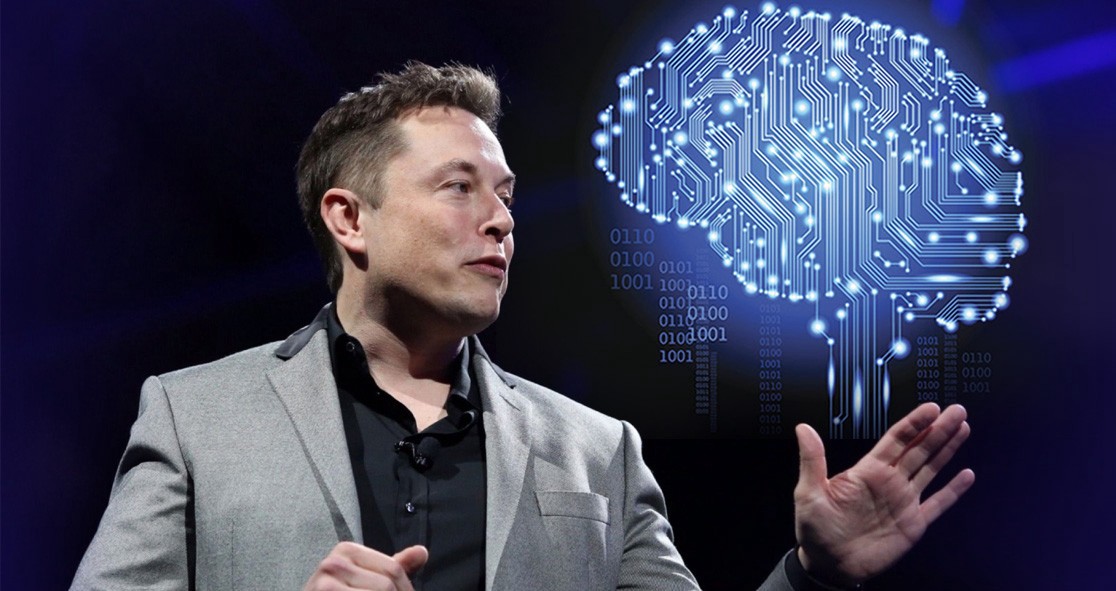
Tech billionaire Elon Musk’s startup Neuralink is getting ready to begin clinical trials in humans, The Guardian reported.
Founded back in 2016, Neuralink plans to implant brain chips in human brains. Musk has explained how the chips in question would provide convenience. According to Musk, the attempt “will enable someone with paralysis to use a smartphone with their mind faster than someone using thumbs”.
The world’s richest person with about $218 billion net worth according to Forbes is hopeful that tetraplegic people will benefit from the implants. Tetraplegia is described as “the inability to voluntarily move the upper and lower parts of the body.”
“We hope to have this in our first humans, which will be people that have severe spinal cord injuries like tetraplegics, quadriplegics, next year, pending FDA — Food and Drug Administration — approval,” Musk said during the CEO Council summit organized by Wall Street Journal.
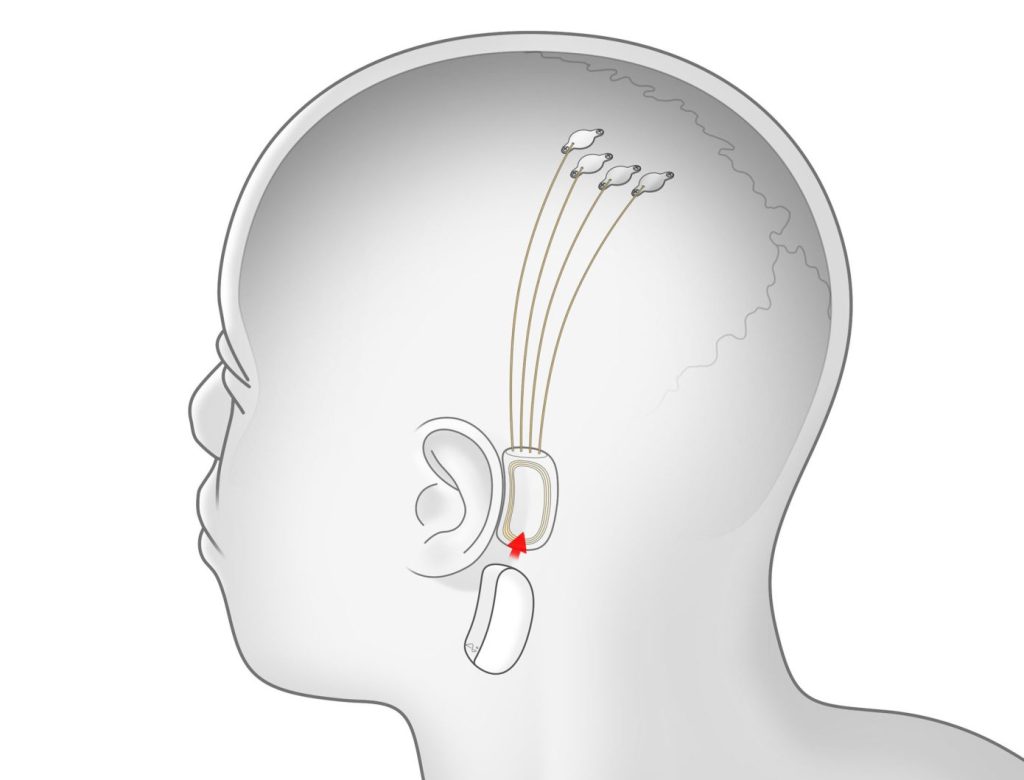
Credit: Neuralink
A macaque monkey named Pager implanted by a Neuralink showed up while playing Pong with its mind. San Francisco-based company is now hiring a director who will oversee clinical trials in humans, according to The Guardian.
“I think we have a chance with Neuralink to restore full-body functionality to someone who has a spinal cord injury,” Musk said. “Neuralink’s working well in monkeys, and we’re actually doing just a lot of testing and just confirming that it’s very safe and reliable and the Neuralink device can be removed safely.”
Elon Musk’s project with brain chips: Neuralink
However, scientists are cautious about what Elon Musk aims to do to humans. Speaking to The Daily Beast, a group of researchers said they were not convinced. “I don’t think there is sufficient public discourse on what the big picture implications of this kind of technology becoming available are,” Dr. Karola Kreitmair, assistant professor of medical history and bioethics at the University of Wisconsin, pointed out.
“I worry that there’s this uncomfortable marriage between a company that is for-profit.”
Neuralink intends to ease the life of those who suffer from disabilities, especially the startup is determined to enable paralyzed people to use their computers and smartphones easily and says it will do this with the help of brain activities. The scientists in question, on the other hand, worry that the Neuralink project could be exploited.
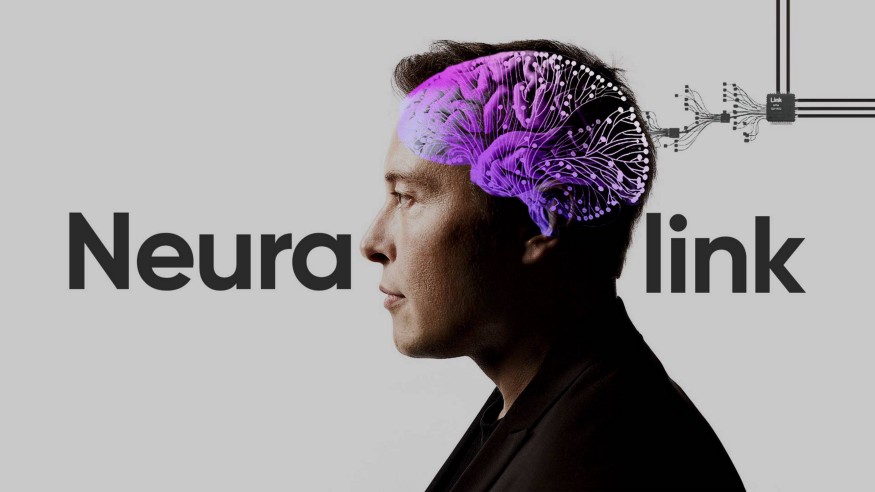
Medium photo
“If the ultimate goal is to use the acquired brain data for other devices, or use these devices for other things—say, to drive cars, to drive Teslas—then there might be a much, much bigger market,” Dr. Syd Johnson, associate professor in the Center for Bioethics and Humanities at SUNY Upstate Medical University, told the website. “But then all those human research subjects—people with genuine needs—are being exploited and used in risky research for someone else’s commercial gain.”
To note, Musk’s Neuralink is not alone in that field. Synchron and Neurable also work to develop brain-computer interfaces.
“With these companies and owners of companies, they’re kind of showmen,” Dr. Laura Cabrera, neuroethics researcher at Penn State, said. “They’ll make these hyperbolic claims, and I think that’s dangerous because I think people sometimes believe it blindly.”
Referring to Elon Musk who is also concerned about crewed missions to Mars due to population collapse, she added, “I’m always cautious about what he says.”

Mariana Trench: 8 Fascinating Facts About the Earth’s Deepest Place

10 most famous scientists who contributed to astronomy and space

Top 25 extremely stunning photos of Northern Lights of 2020 revealed

Meteorite makes Indonesian man a millionaire as piece crashes through his roof
It’s Now Possible to Predict Blood Cancer With Ten-Second Videos
This Inexpensive Method Speeds up Analysis of 3D Printed Metal Parts

SpaceX Dragon: A Game Changer for NASA
Tiny fish, big boom: This small fish found to roar like a gunshot

Turkish city unveils design of Mars Colony project for tourists

Researchers Reveal the Source of the Electron Rain Phenomenon
A New Study Reveals How Climate Change Will Affect Sound Travels Underwater
Here Are 6 Space Technologies We Can Benefit to Improve Life on Earth
SpaceX Announced Crew Dragon Will No Longer Be Produced
Russia Warns Sanctions on Moscow Could Endanger the ISS
A New Study Reveals How to Make Walking Easier

Remote-control cars to race on the Moon in 2021

Space Debris Problem Is Getting Worse: Causes and Removal Efforts of Rambling Junk
Microplastic Pollution Detected in Human Blood for the First Time

Nvidia CEO declares coding’s end in AI era
Here Is Blue Origin’s Touristic Rocket: The New Shepard Design

The Fastest Manned Plane in the World: Here’s The Insane Engineering of the X-15
Here Are 6 Space Technologies We Can Benefit to Improve Life on Earth
Pentagon Formed A New Group To Investigate UFO Reports
Space Debris Problem Is Getting Worse: Causes and Removal Efforts of Rambling Junk
From New Zealand to the US: The Rocket Lab Story
Here Is Blue Origin’s Touristic Rocket: The New Shepard Design

Take a Look at Earth From Space: Glasgow, Scotland
NASA Is Preparing Next Generation Spacesuits for Moon Mission and Beyond
Remote-control cars to race on the Moon in 2021
Meteorite makes Indonesian man a millionaire as piece crashes through his roof
NASA sends a new Space toilet for astronauts to ISS

 Earth & Energy5 years ago
Mariana Trench: 8 Fascinating Facts About the Earth’s Deepest Place

 Space6 years ago
10 most famous scientists who contributed to astronomy and space
- Skywatching6 years ago
Top 25 extremely stunning photos of Northern Lights of 2020 revealed
- Engineering6 years ago
Meteorite makes Indonesian man a millionaire as piece crashes through his roof

 Science5 years ago
It’s Now Possible to Predict Blood Cancer With Ten-Second Videos
 Engineering5 years ago
This Inexpensive Method Speeds up Analysis of 3D Printed Metal Parts
- Infographic6 years ago
SpaceX Dragon: A Game Changer for NASA

 Earth & Energy3 years ago
Tiny fish, big boom: This small fish found to roar like a gunshot