
Space
5 surprising facts that will change your mind about NASA Artemis 2 Moon mission
Historic ten-day lunar flyby with four people is on the horizon.

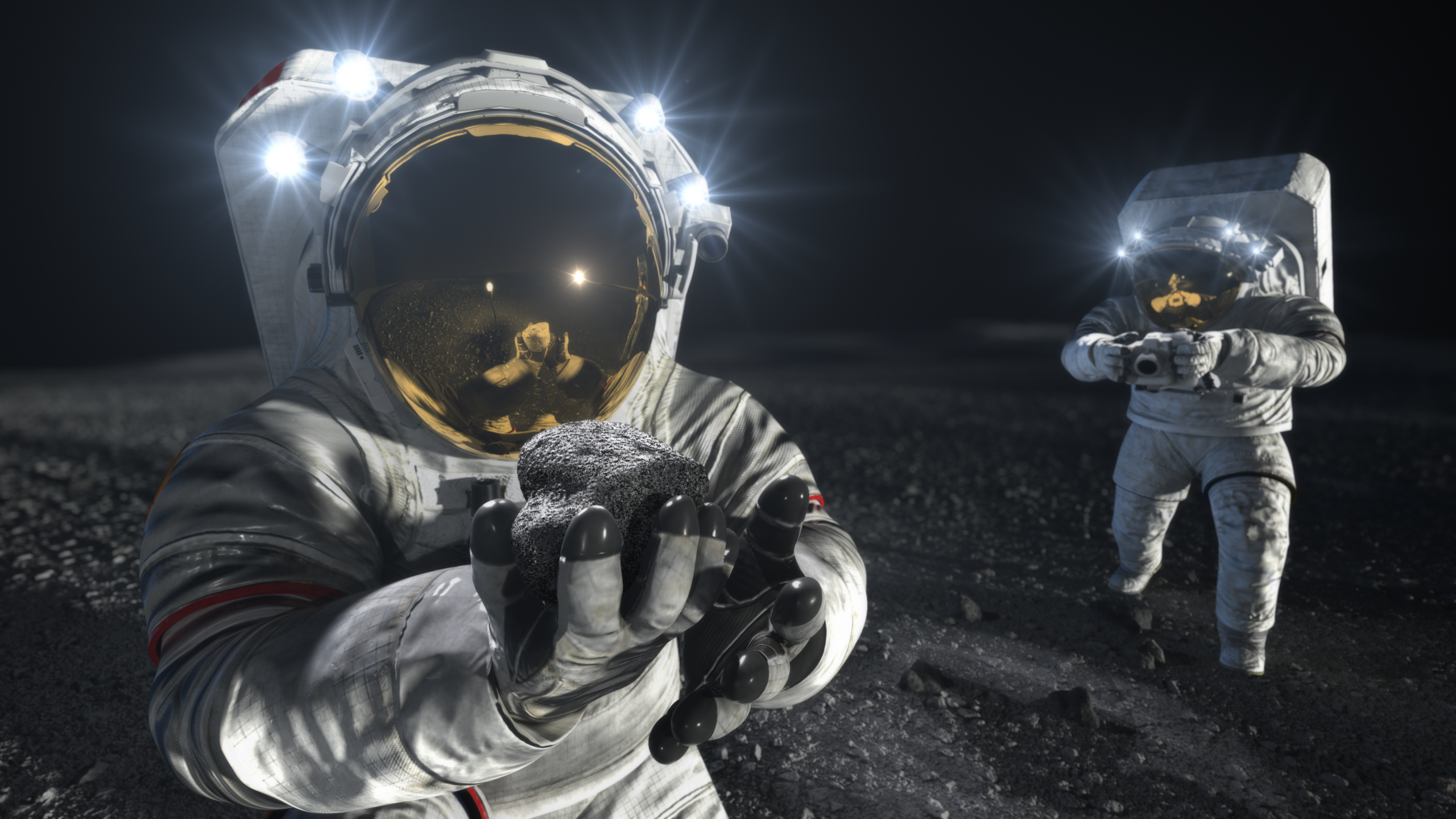
NASA has officially confirmed that the high-stakes NASA Artemis 2 mission is targeting an April 1 launch to send four astronauts around the Moon for the first time in over five decades.
The upcoming mission represents a pivotal moment in modern space exploration as humanity prepares to venture beyond low Earth orbit. This historic flight will utilize the massive Space Launch System rocket and the advanced Orion spacecraft to carry a diverse international crew on a ten-day journey.
Following a successful flight readiness review, engineers have cleared the path for the vehicle to return to the launch pad at the Kennedy Space Center in Florida. Technical teams recently completed critical repairs on the rocket’s upper stage to ensure all systems are prepared for the rigors of deep space.
1- FIRST NON-AMERICAN TO TRAVEL TO MOON
The NASA Artemis 2 Moon mission will be led by Commander Reid Wiseman alongside Pilot Victor Glover and Mission Specialist Christina Koch from NASA. Joining them is Mission Specialist Jeremy Hansen from the Canadian Space Agency who marks a significant milestone as the first non-American to travel to the lunar vicinity.
This elite team is tasked with testing the life-support systems and manual handling capabilities of the Orion capsule during its high-altitude orbits. Their primary goal is to validate that the spacecraft can safely sustain human life during extended trips far from Earth’s protective atmosphere.
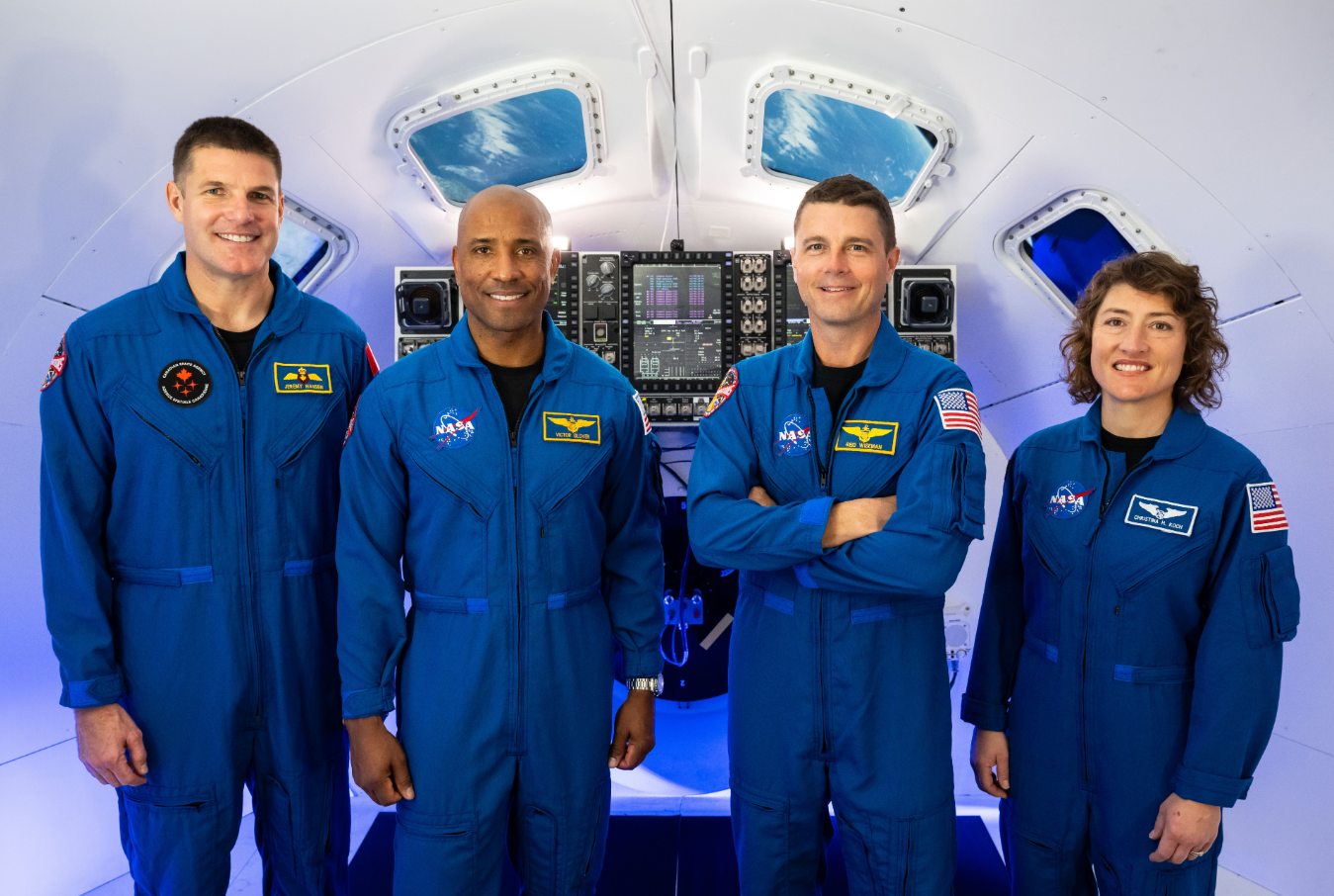
Jeremy Hansen, Victor Glover, Reid Wiseman, Christina Hammock Koch. Photo credit: NASA/James Blair
2- MOST POWERFUL ROCKET EVER BUILT
The Space Launch System stands as the most powerful rocket ever built by the agency, capable of producing 8.8 million pounds of thrust at liftoff. It features two massive solid rocket boosters and a core stage powered by four RS-25 engines that burn liquid hydrogen and oxygen.
This immense power is necessary to perform the trans-lunar injection maneuver which pushes the spacecraft out of Earth’s gravity. Engineers have spent weeks in the Vehicle Assembly Building replacing seals and batteries to guarantee the hardware’s reliability for this crewed debut.
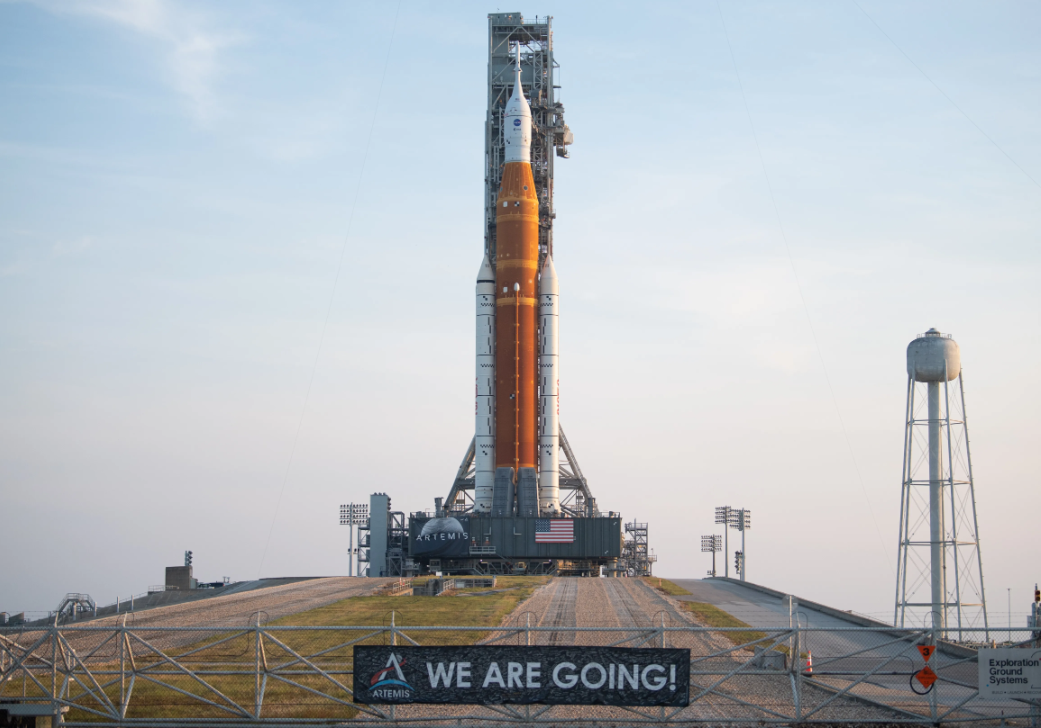
Space Launch System. Credit: NASA
3- NASA ARTEMIS 2 MOON MISSION TRAJECTORY
NASA planners have designed a hybrid free-return trajectory for the Artemis 2 Moon mission that ensures the crew can return to Earth even if the primary propulsion systems fail. After launching from Launch Complex 39B, the spacecraft will perform a series of burns to reach a high Earth orbit for initial checkouts.
Once the trajectory is set, the crew will swing behind the far side of the Moon at a distance of thousands of miles. This specific flight path uses the natural pull of lunar gravity to slingshot the astronauts back toward a safe splashdown in the Pacific Ocean.
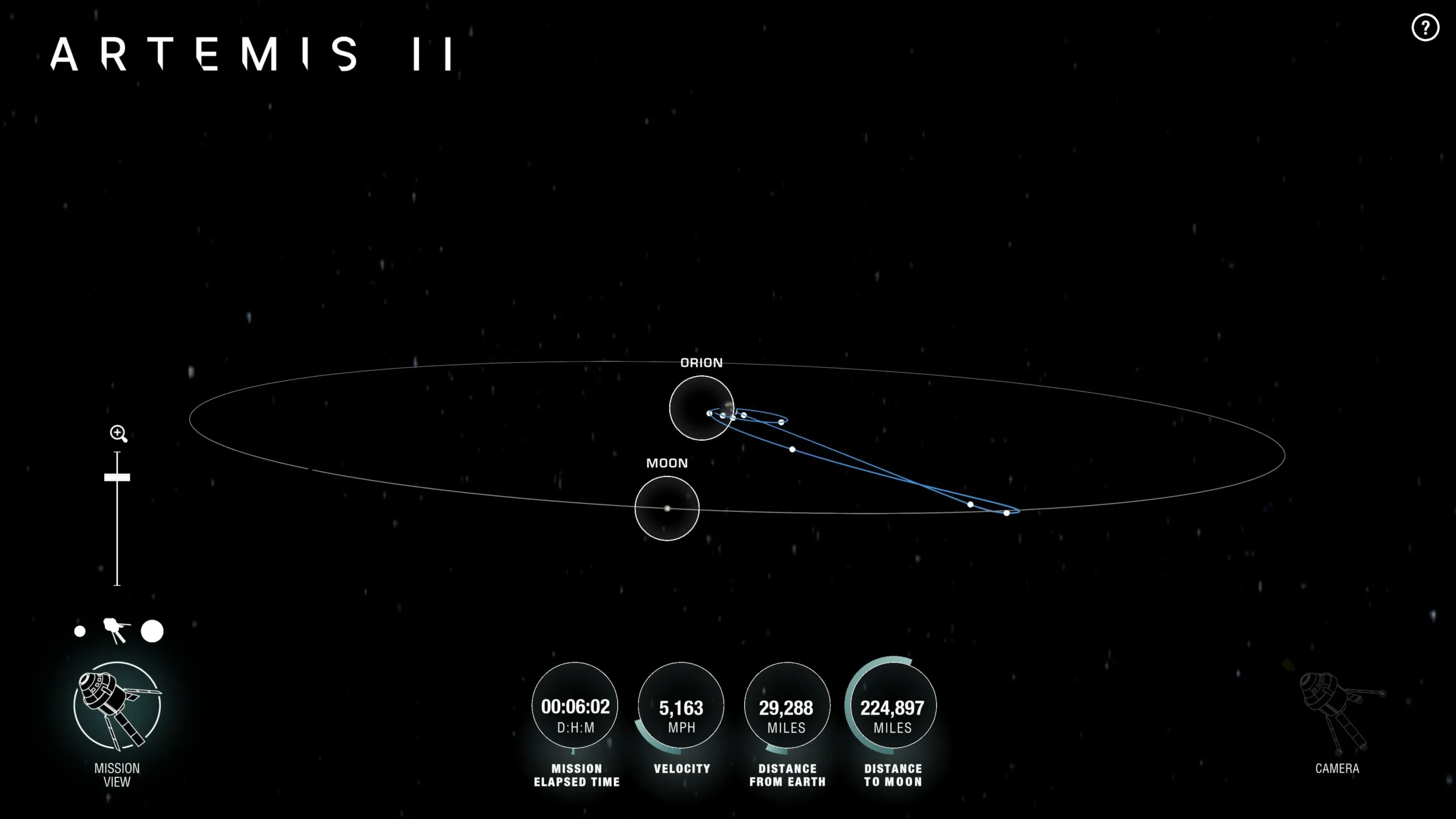
Artemis 2 moon mission trajectory. Credit: NASA
4- EVENTUAL EXPEDITIONS TO MARS
During the flight, the astronauts will evaluate deep space communications and navigation using the agency’s sophisticated Deep Space Network. They will also monitor radiation levels inside the cabin to collect vital data for future long-duration stays on the lunar surface.
The success of this test flight is a mandatory requirement before the agency attempts a crewed landing with the Artemis 3 mission. By establishing a presence at the Moon, scientists hope to build the foundational knowledge required for eventual human expeditions to Mars.
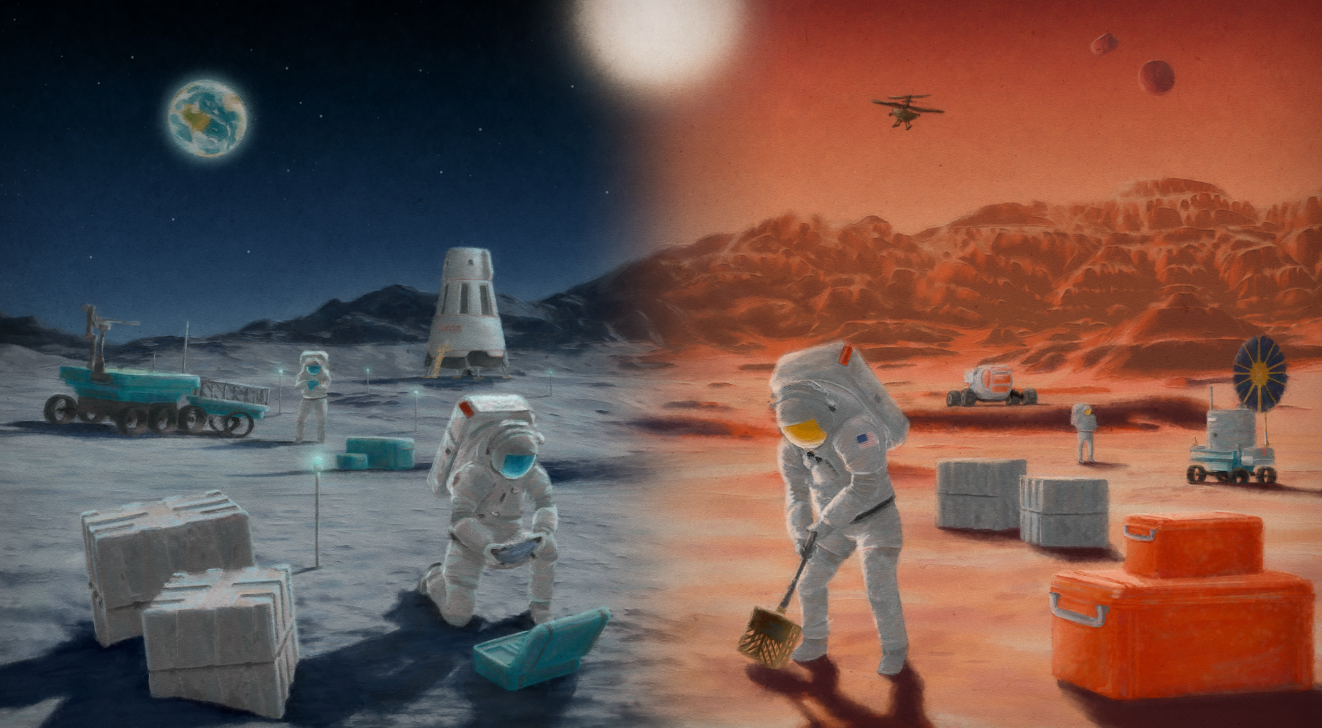
NASA aims to build the foundational knowledge required for eventual human expeditions to Mars. Credit: NASA
5- PACIFIC OCEAN SPLASHDOWN
As the mission nears its conclusion, the Orion spacecraft will hit the Earth’s atmosphere at speeds exceeding 39,000 kilometers per hour. The craft’s advanced heat shield must withstand extreme temperatures during this high-speed re-entry to protect the four passengers inside.
A sequence of parachutes will deploy to slow the capsule down for a precise landing off the coast of San Diego. Recovery teams from the Navy and NASA will be stationed nearby to retrieve the crew and the capsule immediately after the Pacific Ocean splashdown.

Mariana Trench: 8 Fascinating Facts About the Earth’s Deepest Place
10 most famous scientists who contributed to astronomy and space

Top 25 extremely stunning photos of Northern Lights of 2020 revealed

Meteorite makes Indonesian man a millionaire as piece crashes through his roof
It’s Now Possible to Predict Blood Cancer With Ten-Second Videos
This Inexpensive Method Speeds up Analysis of 3D Printed Metal Parts

SpaceX Dragon: A Game Changer for NASA
Tiny fish, big boom: This small fish found to roar like a gunshot

Turkish city unveils design of Mars Colony project for tourists

Researchers Reveal the Source of the Electron Rain Phenomenon
A New Study Reveals How Climate Change Will Affect Sound Travels Underwater
Here Are 6 Space Technologies We Can Benefit to Improve Life on Earth
SpaceX Announced Crew Dragon Will No Longer Be Produced
Russia Warns Sanctions on Moscow Could Endanger the ISS
A New Study Reveals How to Make Walking Easier

Remote-control cars to race on the Moon in 2021
Space Debris Problem Is Getting Worse: Causes and Removal Efforts of Rambling Junk

Microplastic Pollution Detected in Human Blood for the First Time

Nvidia CEO declares coding’s end in AI era
Here Is Blue Origin’s Touristic Rocket: The New Shepard Design
The Fastest Manned Plane in the World: Here’s The Insane Engineering of the X-15
Here Are 6 Space Technologies We Can Benefit to Improve Life on Earth
Pentagon Formed A New Group To Investigate UFO Reports
Space Debris Problem Is Getting Worse: Causes and Removal Efforts of Rambling Junk
From New Zealand to the US: The Rocket Lab Story
Here Is Blue Origin’s Touristic Rocket: The New Shepard Design

Take a Look at Earth From Space: Glasgow, Scotland
NASA Is Preparing Next Generation Spacesuits for Moon Mission and Beyond
Remote-control cars to race on the Moon in 2021
Meteorite makes Indonesian man a millionaire as piece crashes through his roof
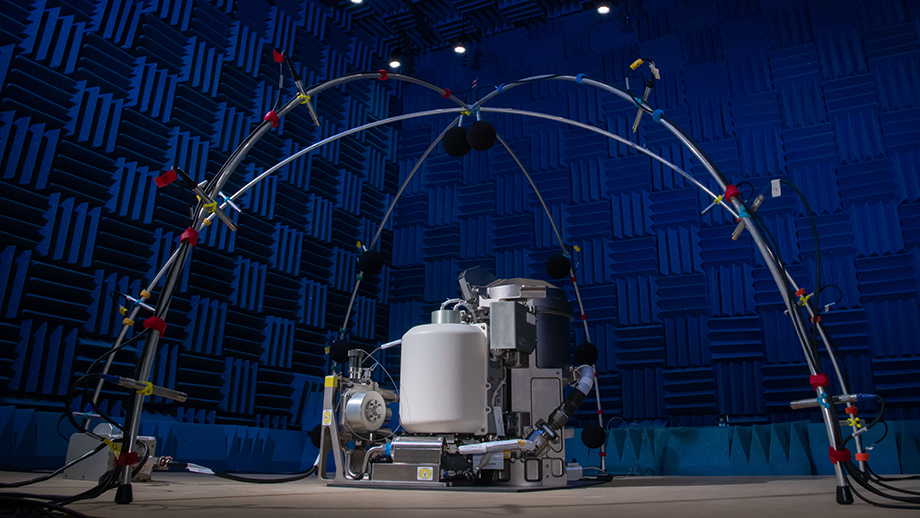
NASA sends a new Space toilet for astronauts to ISS

 Earth & Energy5 years ago
Mariana Trench: 8 Fascinating Facts About the Earth’s Deepest Place

 Space6 years ago
10 most famous scientists who contributed to astronomy and space
- Skywatching6 years ago
Top 25 extremely stunning photos of Northern Lights of 2020 revealed
- Engineering6 years ago
Meteorite makes Indonesian man a millionaire as piece crashes through his roof

 Science5 years ago
It’s Now Possible to Predict Blood Cancer With Ten-Second Videos
 Engineering5 years ago
This Inexpensive Method Speeds up Analysis of 3D Printed Metal Parts
- Infographic6 years ago
SpaceX Dragon: A Game Changer for NASA

 Earth & Energy3 years ago
Tiny fish, big boom: This small fish found to roar like a gunshot