
Space
NASA prepares to launch historic Artemis 2 mission
Space Launch System ready for return to launch pad.

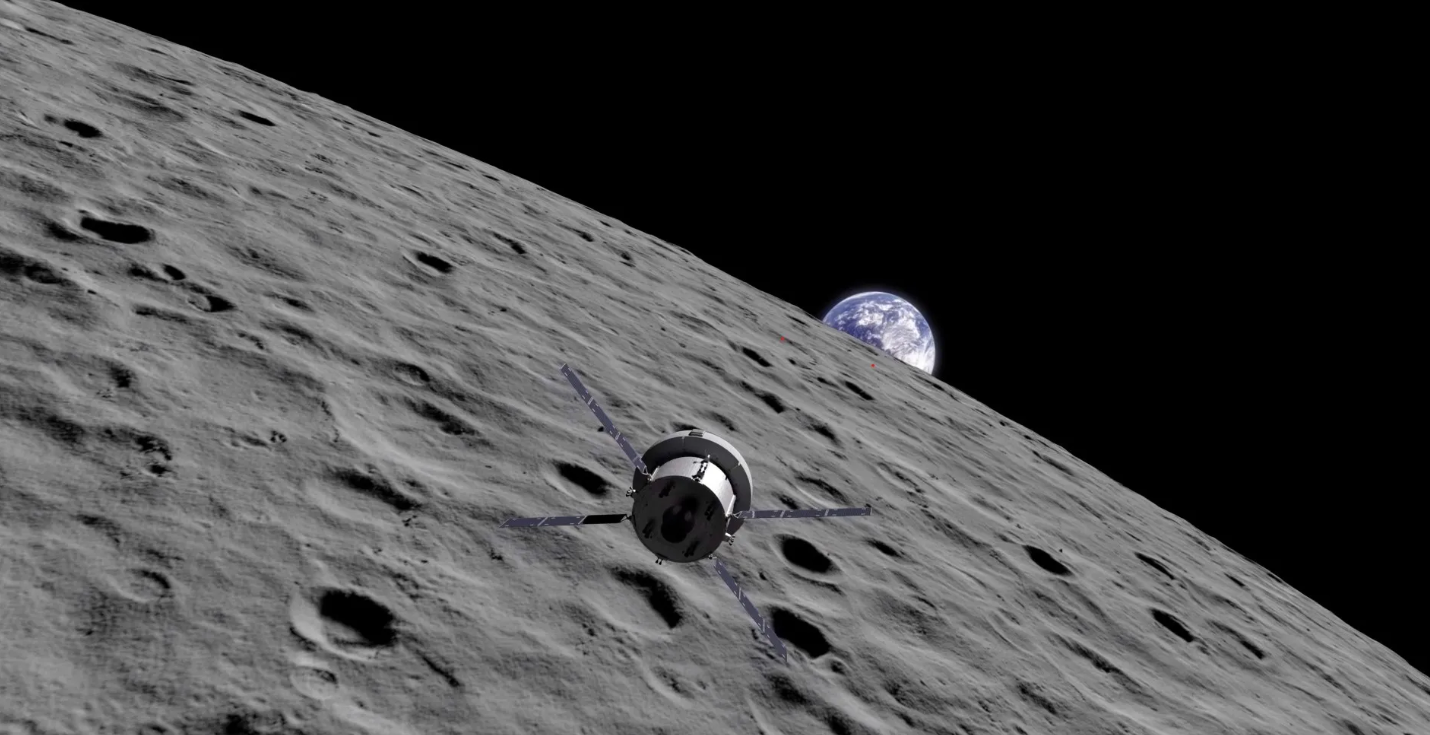
NASA officials have officially confirmed that the massive Space Launch System rocket is scheduled to return to the launch pad next week to prepare for the upcoming Artemis 2 mission.
The National Aeronautics and Space Administration is currently finalizing the necessary technical preparations to ensure that this mission successfully sends four astronauts on a historic nine-day journey around the lunar surface. This ambitious endeavor represents a critical step in modern space exploration as the agency seeks to transition from ground testing to active deep-space crewed operations.
Following a comprehensive two-day flight readiness review, all engineering and mission control teams have officially polled “go” to proceed with the flight. Associate Administrator Lori Glaze emphasized that while this is a test flight with inherent risks, the hardware and personnel are fully prepared for the mission.

Dr. Lori Glaze. Photo credit: Adam Bernstein/Spaceflight Now
The mission window is dictated by the complex orbital mechanics and the ever-changing positions of the Earth and the moon. NASA must successfully execute the launch of the Artemis 2 mission by April 6 to avoid a significant delay that would push the flight back by at least another month.
If the countdown proceeds as planned for an April 1 departure, the liftoff is expected to occur at 6:24 p.m. EDT. This timing would lead to a planned splashdown in the Pacific Ocean nine days after the initial ascent, reports Spaceflightnow.
The crew assigned to this historic flight includes Commander Reid Wiseman, Victor Glover, Christina Koch, and Canadian astronaut Jeremy Hansen. These four individuals have been waiting to board the Orion capsule since the launch attempt faced initial delays earlier this year.
Technicians previously identified hydrogen fuel leaks and issues with the upper stage propellant pressurization system which necessitated a delay from the original February window. These technical hurdles required the entire rocket to be moved back to the Vehicle Assembly Building for repairs.
Inside the assembly facility, engineers discovered a displaced seal in a helium quick-disconnect fitting that was impacting the propulsion system. Fixing this component was vital because pressurized helium is required to move propellants and dry the internal lines.
RESOLVING TECHNICAL CHALLENGES FOR ARTEMIS 2 MISSION
Beyond the pressurization system, crews also utilized the time in the hangar to replace batteries in the self-destruct system and the strap-on boosters. These safety measures are essential to maintain the integrity during its high-velocity ascent into the atmosphere.
Engineers also ensured that the batteries within the Orion capsule’s launch abort system were fully charged and ready for service. This specialized system provides a critical safety net for the astronauts participating in the Artemis 2 mission should an emergency occur on the pad.
The ground systems team expressed immense pride in the rapid troubleshooting and repair process that put the mission back on track. With the repairs complete, the 12-hour roll to pad 39B is expected to begin next Thursday evening.
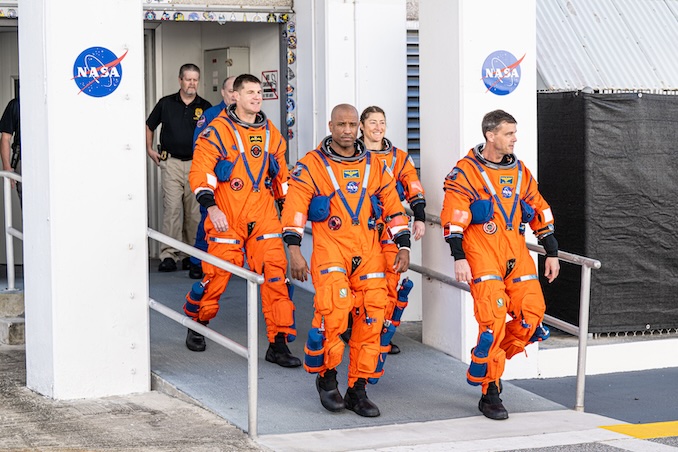
Four crew members of Artemis 2 mission. Photo credit: Michael Cain/Spaceflight Now
EVALUATING RISKS AND OBJECTIVES
A recent report from the Office of Inspector General noted that the mission carries an overall risk profile of approximately 1-in-30 from launch to splashdown. While significant, this risk level is lower than the 1-in-10 odds faced by the legendary Apollo crews who preceded the mission in question.
The overarching goal of the program is to eventually return humans to the lunar surface for the first time since the 1970s. Although the landing has been pushed to 2028, it serves as the vital bridge to prove the Orion spacecraft can sustain life in deep space.
Unlike future landing missions, this specific flight will follow a “free return” trajectory that utilizes lunar gravity to swing the ship back toward Earth. This path ensures the crew can return home safely even if primary propulsion systems encounter issues near the moon.
The astronauts will spend their first full day in orbit conducting rigorous checks of the flight control, navigation, and life support systems. These evaluations are mandatory to confirm the Orion ship is ready for the deep-space transit phase.
HISTORIC DISTANCES
If the launch occurs on April 1, the crew will fly within 4,100 miles of the lunar surface at their closest point of approach. This trajectory will allow the Artemis 2 mission to break records for the farthest distance any human has ever traveled from our home planet.
The spacecraft is expected to reach a maximum distance of approximately 252,800 miles away from Earth during its loop around the far side. Such a milestone will solidify the mission as a landmark achievement in the history of international aerospace cooperation and lunar discovery.
NASA‘s long-term vision depends entirely on the data gathered during these nine days of active flight operations. Every sensor reading and crew observation will inform the design of the systems intended to land the first woman and person of color on the moon.
The agency remains transparent about the experimental nature of the flight while maintaining a high standard for mechanical reliability. As the rollout approaches, the world watches to see if the Artemis 2 mission will finally take its place in the stars this April.

Mariana Trench: 8 Fascinating Facts About the Earth’s Deepest Place

10 most famous scientists who contributed to astronomy and space

Top 25 extremely stunning photos of Northern Lights of 2020 revealed

Meteorite makes Indonesian man a millionaire as piece crashes through his roof
It’s Now Possible to Predict Blood Cancer With Ten-Second Videos
This Inexpensive Method Speeds up Analysis of 3D Printed Metal Parts

SpaceX Dragon: A Game Changer for NASA
Tiny fish, big boom: This small fish found to roar like a gunshot

Turkish city unveils design of Mars Colony project for tourists

Researchers Reveal the Source of the Electron Rain Phenomenon
A New Study Reveals How Climate Change Will Affect Sound Travels Underwater

Here Are 6 Space Technologies We Can Benefit to Improve Life on Earth
SpaceX Announced Crew Dragon Will No Longer Be Produced
Russia Warns Sanctions on Moscow Could Endanger the ISS
A New Study Reveals How to Make Walking Easier

Remote-control cars to race on the Moon in 2021

Space Debris Problem Is Getting Worse: Causes and Removal Efforts of Rambling Junk

Microplastic Pollution Detected in Human Blood for the First Time

Nvidia CEO declares coding’s end in AI era
Here Is Blue Origin’s Touristic Rocket: The New Shepard Design
The Fastest Manned Plane in the World: Here’s The Insane Engineering of the X-15
Here Are 6 Space Technologies We Can Benefit to Improve Life on Earth
Pentagon Formed A New Group To Investigate UFO Reports
Space Debris Problem Is Getting Worse: Causes and Removal Efforts of Rambling Junk
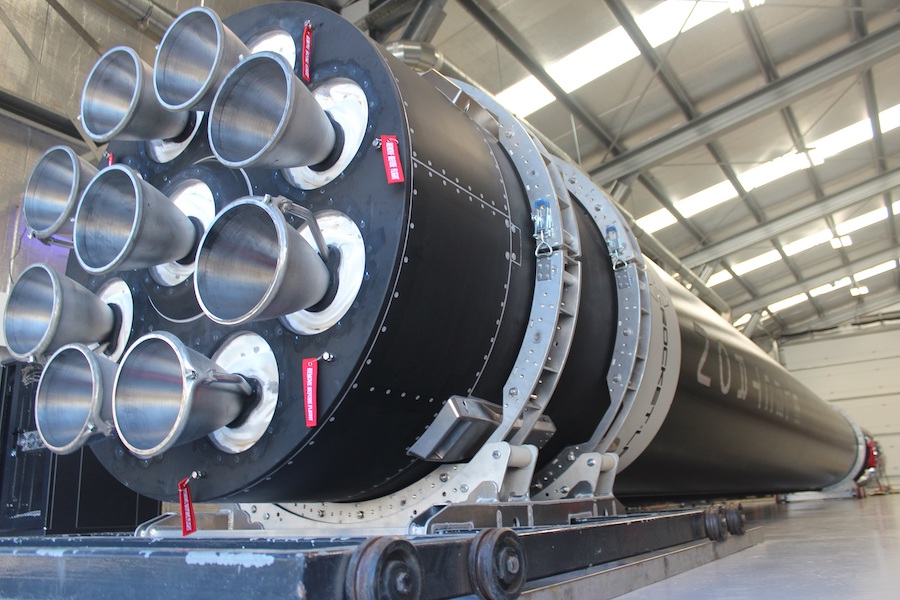
From New Zealand to the US: The Rocket Lab Story
Here Is Blue Origin’s Touristic Rocket: The New Shepard Design

Take a Look at Earth From Space: Glasgow, Scotland
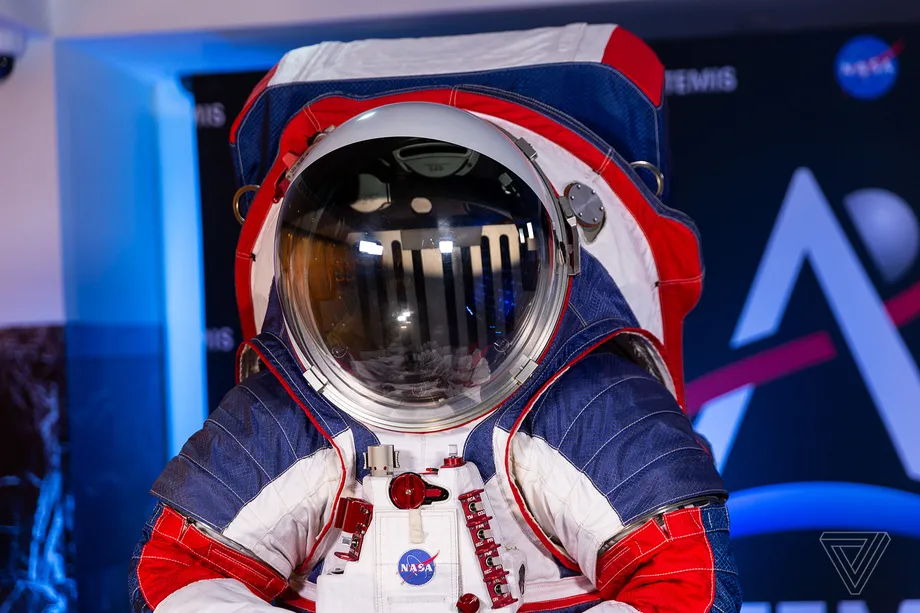
NASA Is Preparing Next Generation Spacesuits for Moon Mission and Beyond
Remote-control cars to race on the Moon in 2021
Meteorite makes Indonesian man a millionaire as piece crashes through his roof
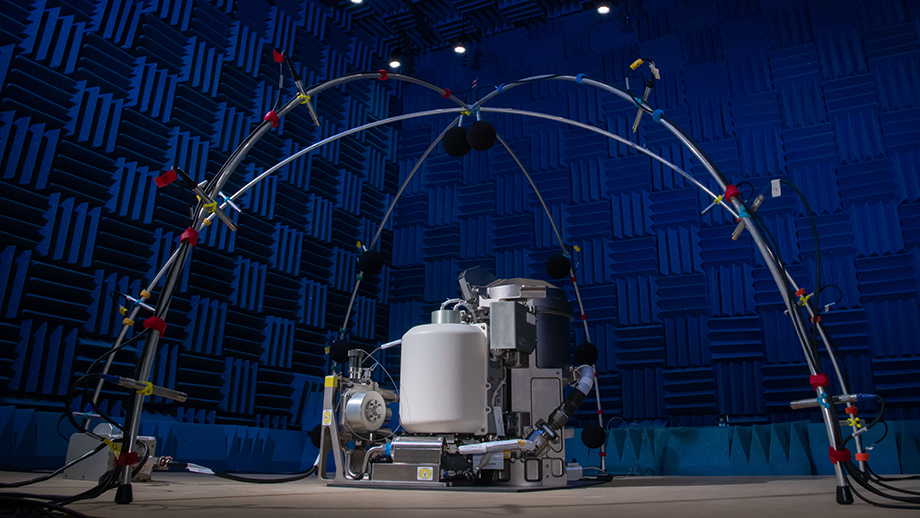
NASA sends a new Space toilet for astronauts to ISS

 Earth & Energy5 years ago
Mariana Trench: 8 Fascinating Facts About the Earth’s Deepest Place

 Space6 years ago
10 most famous scientists who contributed to astronomy and space
- Skywatching6 years ago
Top 25 extremely stunning photos of Northern Lights of 2020 revealed
- Engineering6 years ago
Meteorite makes Indonesian man a millionaire as piece crashes through his roof

 Science5 years ago
It’s Now Possible to Predict Blood Cancer With Ten-Second Videos
 Engineering5 years ago
This Inexpensive Method Speeds up Analysis of 3D Printed Metal Parts
- Infographic6 years ago
SpaceX Dragon: A Game Changer for NASA

 Earth & Energy3 years ago
Tiny fish, big boom: This small fish found to roar like a gunshot