
Earth & Energy
A Study Shows Why Earth’s Interior Cooling Down Faster Than Expected
“A new perspective on the evolution of the Earth’s dynamics.”

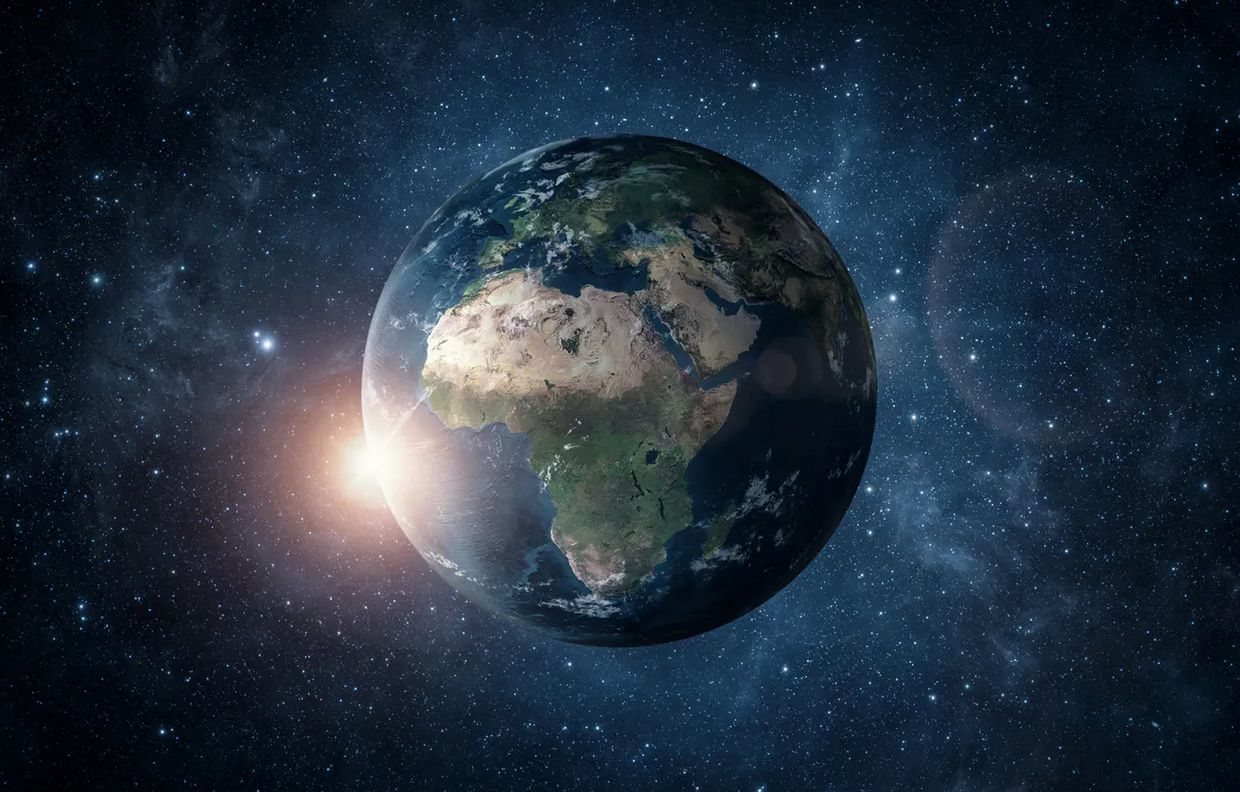
A team of scientists in Zurich has revealed that Earth is cooling down much faster than expected.
Earth — the only liveable planet on it — formed 4.5 billion years ago, and since then its interior has experienced temperature changes, according to a study published in Earth and Planetary Science Letters.
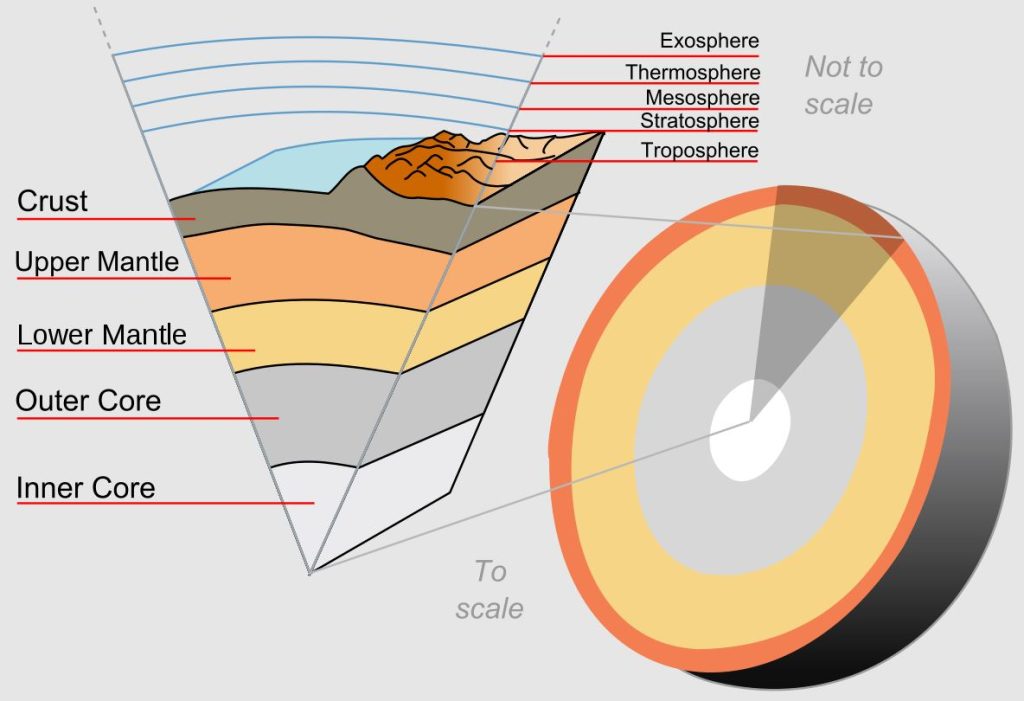
Our planet consists of inner and outer cores as well as lower and upper mantles in addition to the crust-covered layer, the outermost tier. The study focused on how much heat the mineral bridgmanite conducts from Earth’s core to the mantle, which is hard to calculate considering experimental verification, Science Daily reported. Bridmanite is one of the main sources of the boundary layer formed between the Earth’s core and mantle.
To better understand the cooling process, we can take a look at the evolution of our blue pale dot as its story tells about its cooling. If the planet has a crusty today, it owes that structure to millions of years of evolution. Nevertheless, thermal energy spurting from Earth’s inside launched “dynamic processes in motion, such as mantle convection, plate tectonics, and volcanism.”
Wikipedia
Cooling Earth: Here’s what results tell us
The scientists involved in the research used a sophisticated measurement method, in which they can measure bridgmanite’s thermal conductivity by simulating the conditions with the help of an optical absorption measuring system. This research also simulated the conditions, such as pressure and temperature that reign inside Earth.
“This measurement system let us show that the thermal conductivity of bridgmanite is about 1.5 times higher than assumed,” said Motohiko Murakami, a planetary scientist leading the research.
What results tell us is that “the heat flow from the core into the mantle is also higher than previously thought. Greater heat flow, in turn, increases mantle convection and accelerates the cooling of Earth,” according to the piece.
“Our results could give us a new perspective on the evolution of the Earth’s dynamics. They suggest that Earth, like the other rocky planets Mercury and Mars, is cooling and becoming inactive much faster than expected,” Murakami said regarding a “cooling Earth.”
“We still don’t know enough about these kinds of events to pin down their timing,” he added.
As we talk about Earth-related changes, you can also see here how climate change is ravaging our habitable planet.

Mariana Trench: 8 Fascinating Facts About the Earth’s Deepest Place
10 most famous scientists who contributed to astronomy and space

Top 25 extremely stunning photos of Northern Lights of 2020 revealed

Meteorite makes Indonesian man a millionaire as piece crashes through his roof

It’s Now Possible to Predict Blood Cancer With Ten-Second Videos

This Inexpensive Method Speeds up Analysis of 3D Printed Metal Parts

SpaceX Dragon: A Game Changer for NASA

Tiny fish, big boom: This small fish found to roar like a gunshot

Turkish city unveils design of Mars Colony project for tourists

Researchers Reveal the Source of the Electron Rain Phenomenon

A New Study Reveals How Climate Change Will Affect Sound Travels Underwater

Here Are 6 Space Technologies We Can Benefit to Improve Life on Earth
SpaceX Announced Crew Dragon Will No Longer Be Produced
Russia Warns Sanctions on Moscow Could Endanger the ISS
A New Study Reveals How to Make Walking Easier

Remote-control cars to race on the Moon in 2021

Space Debris Problem Is Getting Worse: Causes and Removal Efforts of Rambling Junk

Microplastic Pollution Detected in Human Blood for the First Time

Nvidia CEO declares coding’s end in AI era

Here Is Blue Origin’s Touristic Rocket: The New Shepard Design

The Fastest Manned Plane in the World: Here’s The Insane Engineering of the X-15
Here Are 6 Space Technologies We Can Benefit to Improve Life on Earth
Pentagon Formed A New Group To Investigate UFO Reports
Space Debris Problem Is Getting Worse: Causes and Removal Efforts of Rambling Junk
From New Zealand to the US: The Rocket Lab Story
Here Is Blue Origin’s Touristic Rocket: The New Shepard Design
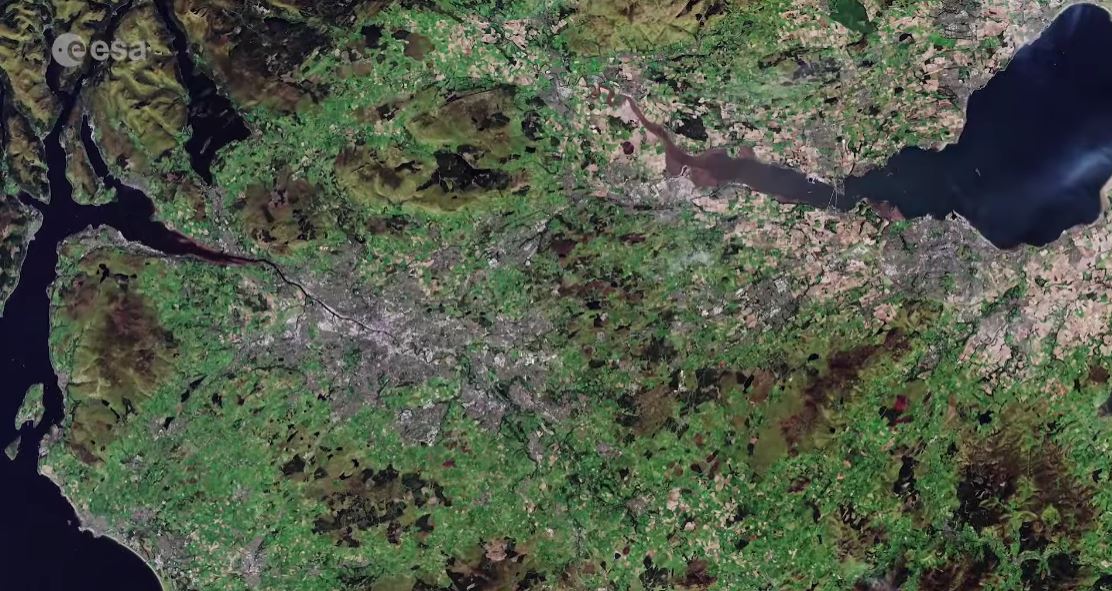
Take a Look at Earth From Space: Glasgow, Scotland

NASA Is Preparing Next Generation Spacesuits for Moon Mission and Beyond
Remote-control cars to race on the Moon in 2021
Meteorite makes Indonesian man a millionaire as piece crashes through his roof
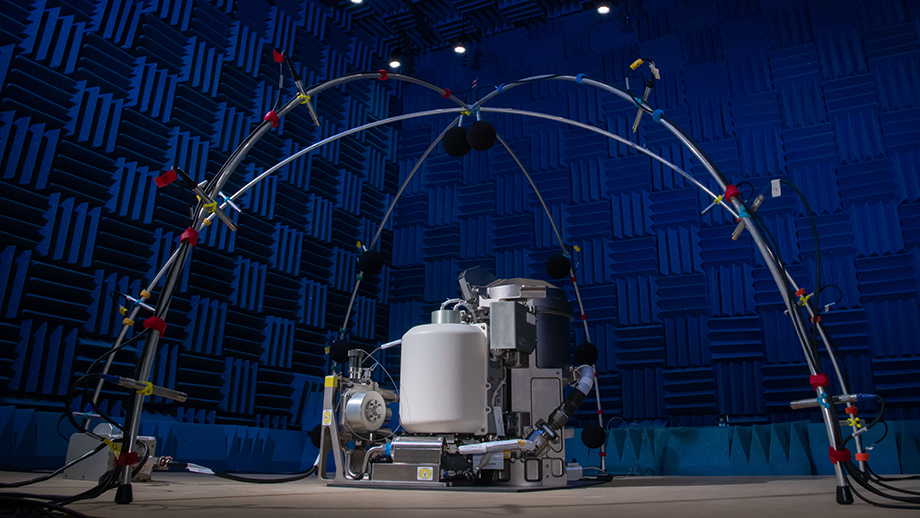
NASA sends a new Space toilet for astronauts to ISS

 Earth & Energy5 years ago
Mariana Trench: 8 Fascinating Facts About the Earth’s Deepest Place

 Space6 years ago
10 most famous scientists who contributed to astronomy and space
- Skywatching6 years ago
Top 25 extremely stunning photos of Northern Lights of 2020 revealed
- Engineering6 years ago
Meteorite makes Indonesian man a millionaire as piece crashes through his roof

 Science5 years ago
It’s Now Possible to Predict Blood Cancer With Ten-Second Videos
 Engineering5 years ago
This Inexpensive Method Speeds up Analysis of 3D Printed Metal Parts
- Infographic6 years ago
SpaceX Dragon: A Game Changer for NASA

 Earth & Energy3 years ago
Tiny fish, big boom: This small fish found to roar like a gunshot