
Earth & Energy
Indirect Emission of EVs are Favorable, at least after 2035, New Research Suggests
We all heard rumors about EVs’ indirect emission amount being high in production, a new research finds out that it is actually much lower than combustion cars.

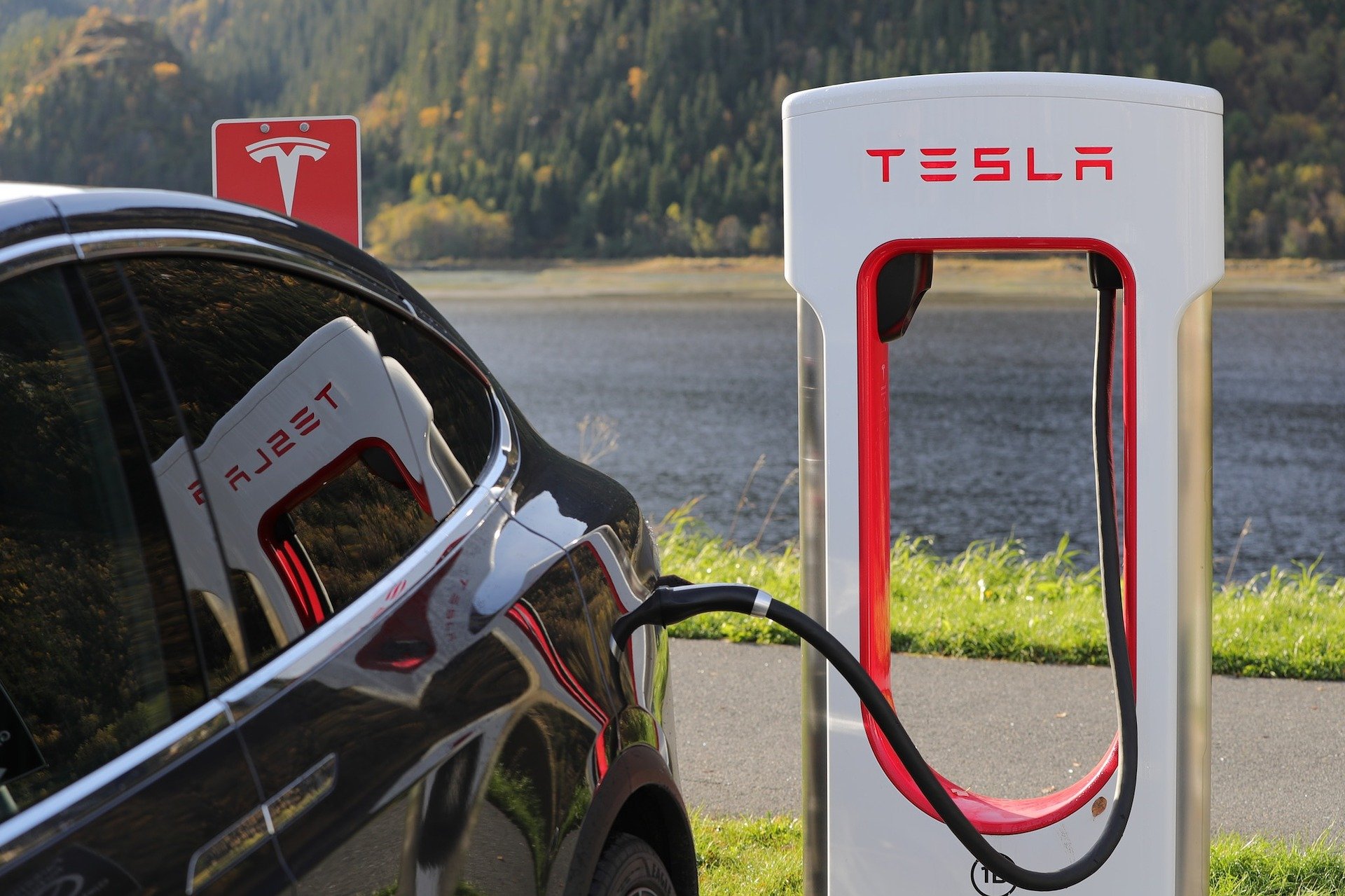
A recent article published in Nature titled “Pricing indirect emissions accelerates low—carbon transition of US light vehicle sector” states that combustion cars leave EVs way behind in terms of indirect emission amounts. Before that, there were rumors that while EVs claimed to be sustainable, their production and indirect emission were way higher, but the research shows the inverse.

src: Pixabay
Indirect Emission of EVs
The research claims that they “combine integrated energy modeling and life cycle assessment to compare optimal policy scenarios that price emissions at the tailpipe only, versus both tailpipe and indirect emissions.” And interestingly, they found out that “scenarios that also price indirect emissions exhibit higher, rather than reduced, sales of electric vehicles, while yielding lower cumulative tailpipe and indirect emissions.”
“It becomes apparent that ‘full pricing’ not only leads to reduced tailpipe emissions but also to lower indirect supply chain emissions, at least after about 2035,” according to the article.
So, it seems like EVs are more sustainable, have lower emission values both directly and indirectly, and are more favorable among customers who can pay. Researchers also expect that the developing technology will further reduce emissions via greener production practices. And with the further sustainable and decarbonized energy supplies, EVs seem to be the best transportation option.
We have mentioned increasing interest in sustainable transportation and the possible concerns about it in our previous articles as well (Read: Hydrogen from Plastic Waste: 3 Major Corporations from Japan Has a Revolutionary Plan). As one of the concerns seems to be resolved with this new result, the fossil-fueled transportation industry has fewer cards in its hands.

src: Pixabay
Will the indirect emission results change anything?
Well, of course, it makes EVs more desirable and puts more credibility on the technology. We all want a greener and more sustainable future technology in the end. However, the problem with the wide-scale adoption seems to be the low production and the unwillingness of the customers to go through the hustle of changing their combustion cars for a much more expensive EV. Even though EVs seem to ultimately be the choice for the energy endgame, it looks like we still need more time for the transformation.
Credit:
Wolfram, P., Weber, S., Gillingham, K. et al. Pricing indirect emissions accelerates low—carbon transition of US light vehicle sector. Nat Commun 12, 7121 (2021). https://doi.org/10.1038/s41467-021-27247-y

Mariana Trench: 8 Fascinating Facts About the Earth’s Deepest Place

10 most famous scientists who contributed to astronomy and space

Top 25 extremely stunning photos of Northern Lights of 2020 revealed

Meteorite makes Indonesian man a millionaire as piece crashes through his roof

It’s Now Possible to Predict Blood Cancer With Ten-Second Videos

This Inexpensive Method Speeds up Analysis of 3D Printed Metal Parts

SpaceX Dragon: A Game Changer for NASA
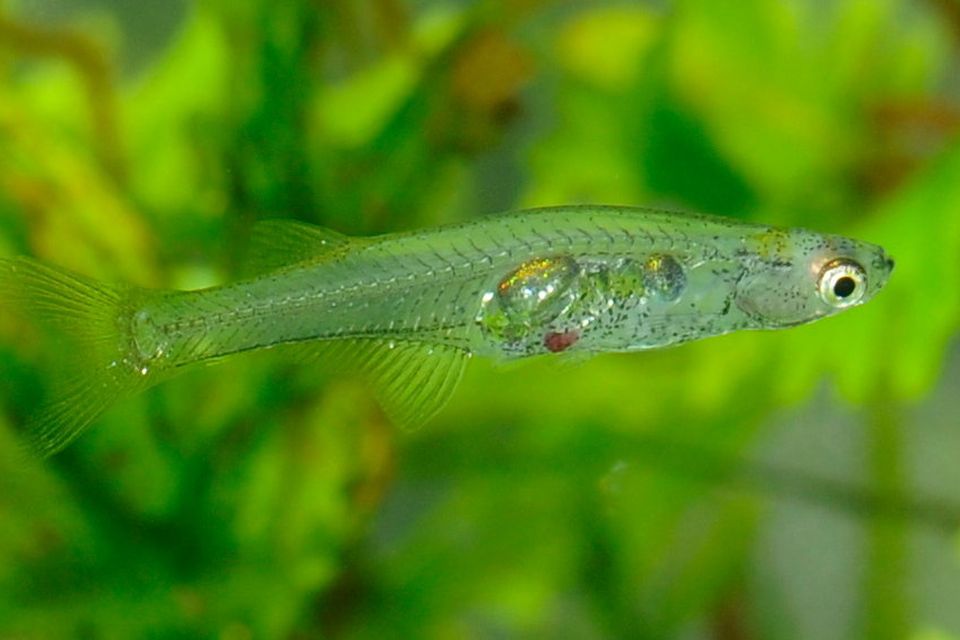
Tiny fish, big boom: This small fish found to roar like a gunshot

Turkish city unveils design of Mars Colony project for tourists

Researchers Reveal the Source of the Electron Rain Phenomenon

A New Study Reveals How Climate Change Will Affect Sound Travels Underwater
Here Are 6 Space Technologies We Can Benefit to Improve Life on Earth

SpaceX Announced Crew Dragon Will No Longer Be Produced
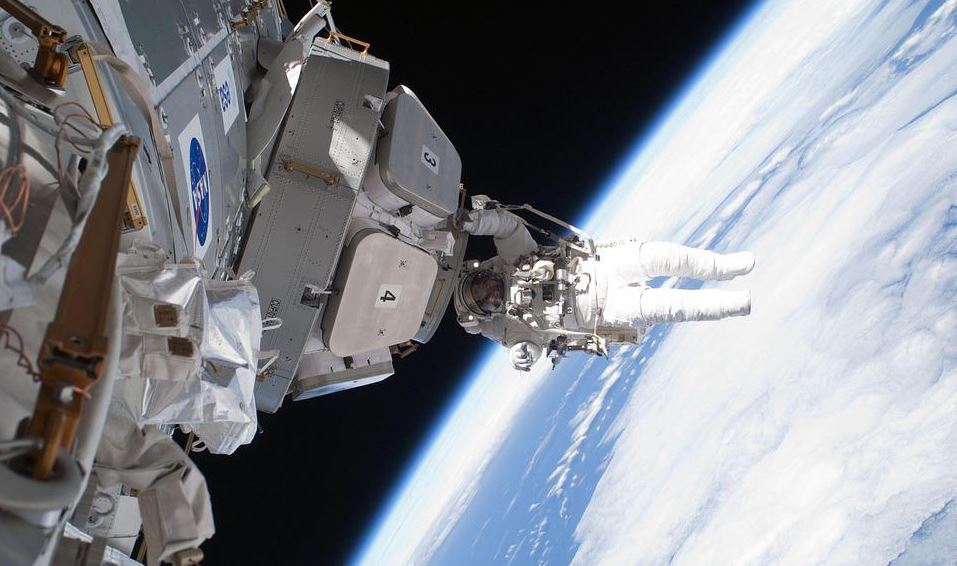
Russia Warns Sanctions on Moscow Could Endanger the ISS

A New Study Reveals How to Make Walking Easier

Remote-control cars to race on the Moon in 2021

Space Debris Problem Is Getting Worse: Causes and Removal Efforts of Rambling Junk

Microplastic Pollution Detected in Human Blood for the First Time

Nvidia CEO declares coding’s end in AI era

Here Is Blue Origin’s Touristic Rocket: The New Shepard Design

The Fastest Manned Plane in the World: Here’s The Insane Engineering of the X-15
Here Are 6 Space Technologies We Can Benefit to Improve Life on Earth

Pentagon Formed A New Group To Investigate UFO Reports
Space Debris Problem Is Getting Worse: Causes and Removal Efforts of Rambling Junk
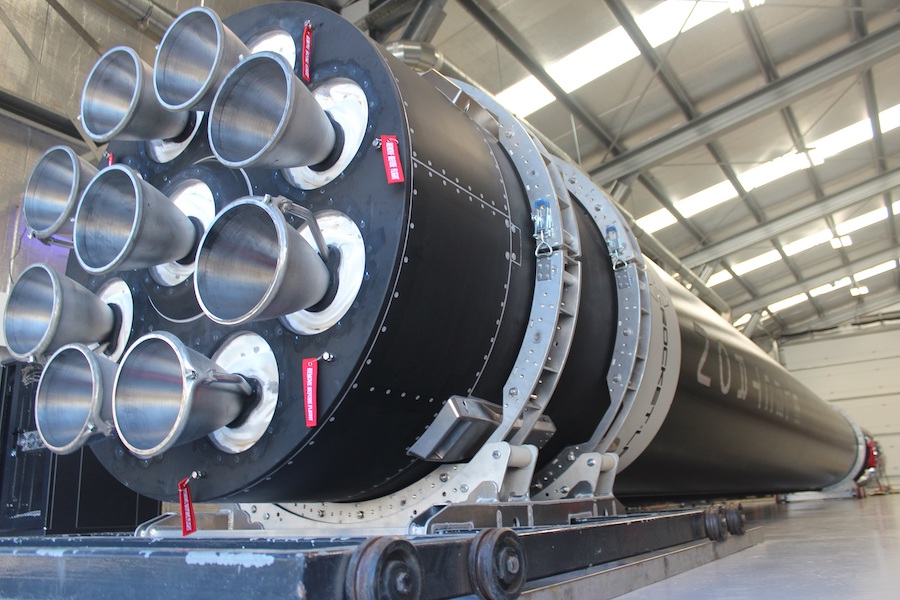
From New Zealand to the US: The Rocket Lab Story
Here Is Blue Origin’s Touristic Rocket: The New Shepard Design

Take a Look at Earth From Space: Glasgow, Scotland

NASA Is Preparing Next Generation Spacesuits for Moon Mission and Beyond
Remote-control cars to race on the Moon in 2021
Meteorite makes Indonesian man a millionaire as piece crashes through his roof
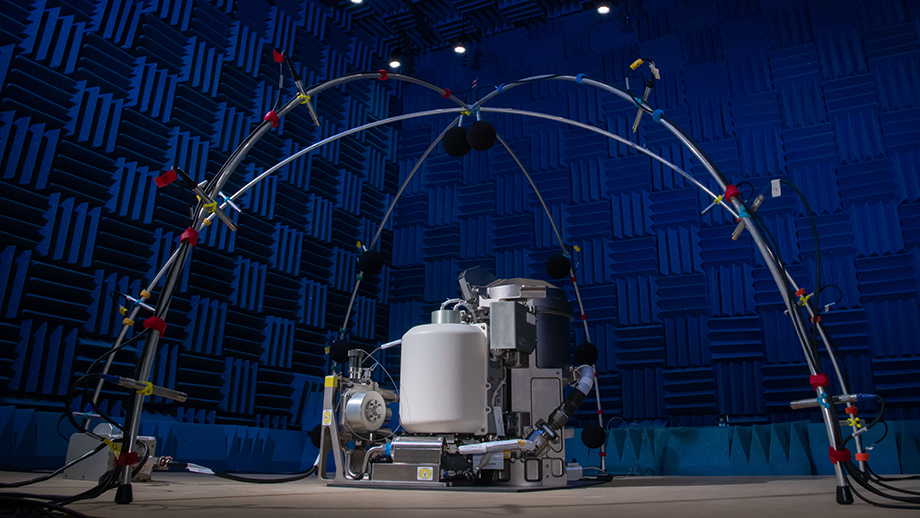
NASA sends a new Space toilet for astronauts to ISS

 Earth & Energy5 years ago
Mariana Trench: 8 Fascinating Facts About the Earth’s Deepest Place

 Space6 years ago
10 most famous scientists who contributed to astronomy and space
- Skywatching6 years ago
Top 25 extremely stunning photos of Northern Lights of 2020 revealed
- Engineering6 years ago
Meteorite makes Indonesian man a millionaire as piece crashes through his roof

 Science5 years ago
It’s Now Possible to Predict Blood Cancer With Ten-Second Videos
 Engineering5 years ago
This Inexpensive Method Speeds up Analysis of 3D Printed Metal Parts
- Infographic6 years ago
SpaceX Dragon: A Game Changer for NASA

 Earth & Energy3 years ago
Tiny fish, big boom: This small fish found to roar like a gunshot