
Tech
An Australian Patient Became the First Person to Tweet Using a Brain-Computer Interface
“No need for keystrokes or voices.”


A paralyzed man in Australia, who was diagnosed with amyotrophic lateral sclerosis (ALS), shared a post on social media using an implantable brain-computer interface (BCI) that enabled the first direct-thought tweet.
Philip O’Keefe who was implanted with the interface in April 2020 tweeted what he thought, without the need for keys and voice assistance, according to BusinessWire.
The 62-year-old messaged “No need for keystrokes or voices. I created this tweet just by thinking it” thanks to the interface dubbed Stentrode in his brain. This message was posted on the Twitter account of Thomas Oxley, the CEO of Synchron.
no need for keystrokes or voices. I created this tweet just by thinking it. #helloworldbci
— Thomas Oxley (@tomoxl) December 23, 2021
Why O’Keefe shared this message is that he aimed to inspire those who suffer from ALS. Undoubtedly, he blazed a trail to encourage others, who are in the same situation as him, to tweet through thoughts.
The company designed the implant to allow patients to share their thoughts with others as O’Keefe did. He can now wirelessly control digital services via the thought that was inserted through a technique, in which a jugular vein is used in order to avoid perforating the skull.
A breakthrough technology using a brain-computer interface
Most importantly, this system doesn’t require any muscle activity. “When I first heard about this technology, I knew how much independence it could give back to me. The system is astonishing, it’s like learning to ride a bike – it takes practice, but once you’re rolling, it becomes natural,” said O’Keefe. “Now, I just think about where on the computer I want to click, and I can email, bank, shop, and now message the world via Twitter.”
Starting from last year, O’Keefe, meanwhile, has been using the BCI technology to contact his family as well as continuing to be a part of business-related projects.
Synchron, which is expected to focus on finding ways to treat Parkinson’s disease, epilepsy, depression, and hypertension in the future, is currently working on the first endovascular implantable neuromodulation therapy. To note, neuromodulation is a technology that delivers electrical agents to a target area to alter nerve activity.
Elon Musk said earlier this month regarding his company Neuralink that it hopes to begin implanting its brain chips in humans next year.
Technological progress has no limits, and such breakthroughs demonstrate what challenges human beings can overcome in the future.

Mariana Trench: 8 Fascinating Facts About the Earth’s Deepest Place

10 most famous scientists who contributed to astronomy and space

Top 25 extremely stunning photos of Northern Lights of 2020 revealed

Meteorite makes Indonesian man a millionaire as piece crashes through his roof

It’s Now Possible to Predict Blood Cancer With Ten-Second Videos
This Inexpensive Method Speeds up Analysis of 3D Printed Metal Parts

SpaceX Dragon: A Game Changer for NASA
Tiny fish, big boom: This small fish found to roar like a gunshot

Turkish city unveils design of Mars Colony project for tourists

Researchers Reveal the Source of the Electron Rain Phenomenon

A New Study Reveals How Climate Change Will Affect Sound Travels Underwater
Here Are 6 Space Technologies We Can Benefit to Improve Life on Earth
SpaceX Announced Crew Dragon Will No Longer Be Produced
Russia Warns Sanctions on Moscow Could Endanger the ISS
A New Study Reveals How to Make Walking Easier

Remote-control cars to race on the Moon in 2021

Space Debris Problem Is Getting Worse: Causes and Removal Efforts of Rambling Junk

Microplastic Pollution Detected in Human Blood for the First Time

Nvidia CEO declares coding’s end in AI era

Here Is Blue Origin’s Touristic Rocket: The New Shepard Design

The Fastest Manned Plane in the World: Here’s The Insane Engineering of the X-15
Here Are 6 Space Technologies We Can Benefit to Improve Life on Earth
Pentagon Formed A New Group To Investigate UFO Reports
Space Debris Problem Is Getting Worse: Causes and Removal Efforts of Rambling Junk
From New Zealand to the US: The Rocket Lab Story
Here Is Blue Origin’s Touristic Rocket: The New Shepard Design

Take a Look at Earth From Space: Glasgow, Scotland
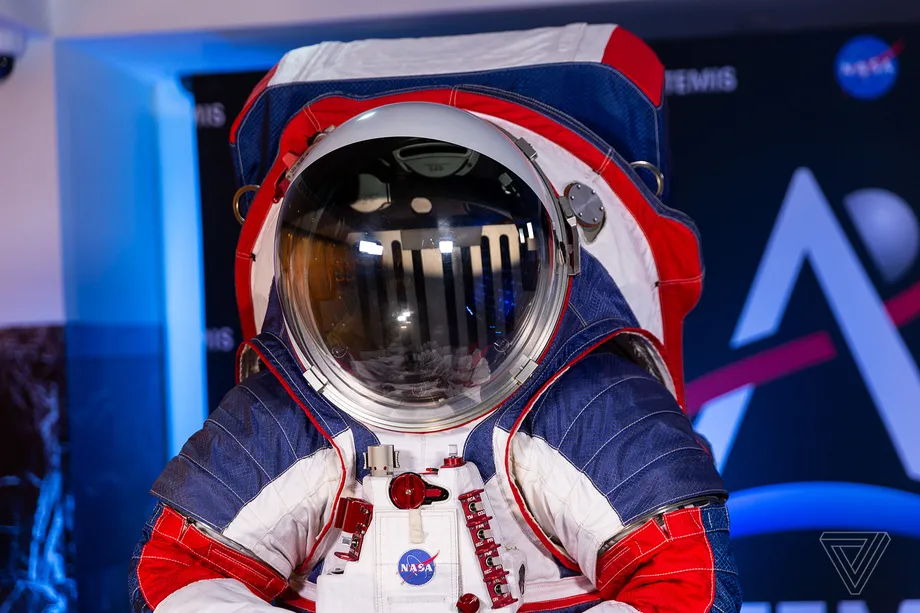
NASA Is Preparing Next Generation Spacesuits for Moon Mission and Beyond
Remote-control cars to race on the Moon in 2021
Meteorite makes Indonesian man a millionaire as piece crashes through his roof
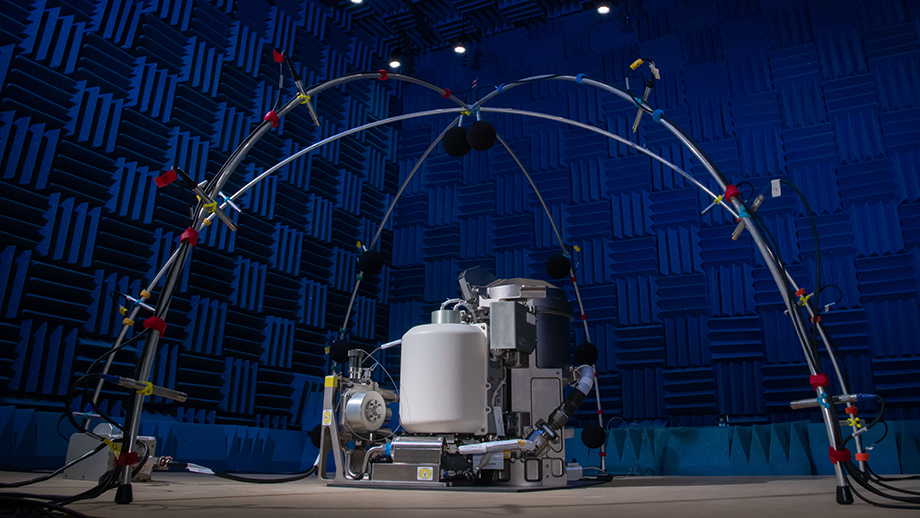
NASA sends a new Space toilet for astronauts to ISS

 Earth & Energy5 years ago
Mariana Trench: 8 Fascinating Facts About the Earth’s Deepest Place

 Space6 years ago
10 most famous scientists who contributed to astronomy and space
- Skywatching6 years ago
Top 25 extremely stunning photos of Northern Lights of 2020 revealed
- Engineering6 years ago
Meteorite makes Indonesian man a millionaire as piece crashes through his roof

 Science5 years ago
It’s Now Possible to Predict Blood Cancer With Ten-Second Videos
 Engineering5 years ago
This Inexpensive Method Speeds up Analysis of 3D Printed Metal Parts
- Infographic6 years ago
SpaceX Dragon: A Game Changer for NASA

 Earth & Energy3 years ago
Tiny fish, big boom: This small fish found to roar like a gunshot