
Earth & Energy
Breakthrough in Recycling: How to Distinguish all 12 Types of Plastics
Yes, distinguishing them was hard! But machines can do it, right?

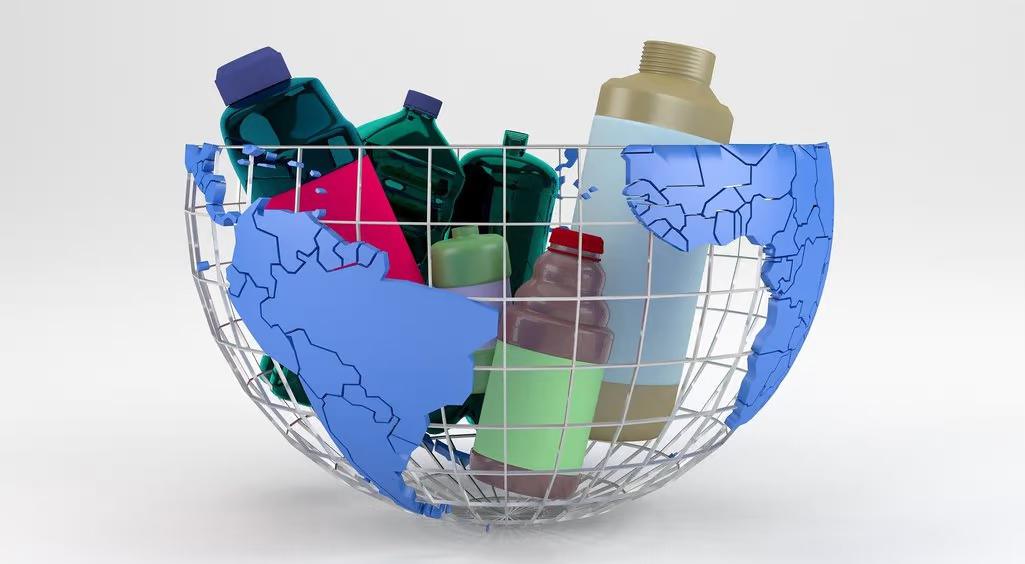
A recent article on Plastic Classification using Machine Learning seems to make a lot of recycling and sustainability lovers excited. While plastic wastes and their inefficient recycling process continues to be a significant global problem, science, and tech step up to solve the issue once again.
How does the new recycling technology work?
As the paper claims, this new technology “can successfully distinguish between twelve plastics (PE, PP, PET, PS, PVC, PVDF, POM, PEEK, ABS, PMMA, PC, and PA12) and the utility is further proven by recognizing three unknown samples (PS, PMMA, PC).” In the case of how it works, it is in the most basic sense, an unsupervised machine learning model learning on infrared wave data of the plastics.

Ecology Icons src: Pixabay
What does it promise?
It is common knowledge most plastics that we throw in the recycling bins are actually non-recyclable. While a very small portion of plastics gets recycled, it creates a problem of plastic waste that goes to oceans, giant trash piles, and one that harms nature. The reason for this problem is mainly that the industry demands high purity plastics and usually, they have little to no means of distinguishing plastics if they want to recycle them except for the very low number of distinguishable samples.
With this technology, it is claimed that all commercially available plastics are now distinguishable with cameras on a conveyor belt. It is a huge breakthrough that can help us achieve a high percentage recycling ratio in our plastic waste, which accounts for a major part of global waste production.
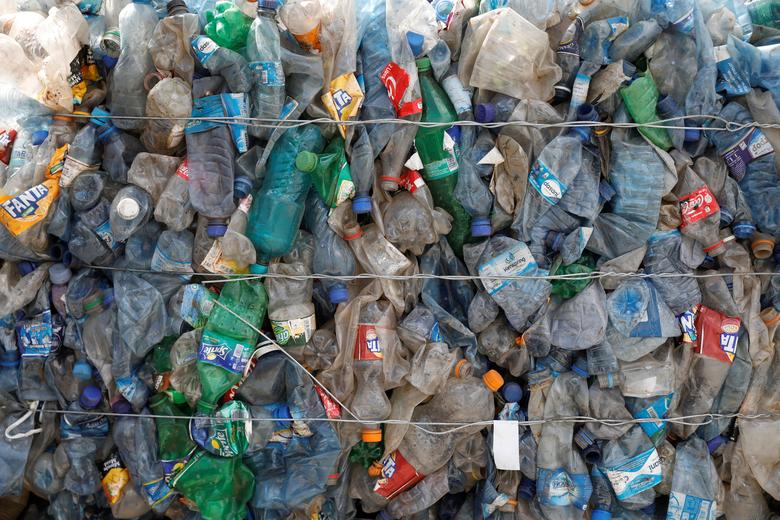
Reuters photo
How will the industry receive this new-tech recycling?
Since these require high-tech facilities and no enforcement comes through, commenters are worried that the recycling firms will not be able to afford the costs for the technology. However, some also claim that the return from the new recycled samples would far outweigh the investment and make this technology worth the payment. Some are suggesting a bill for forcing firms to use this new tech, while some claim that it will just push the producers to make the plastics more non-recycling.
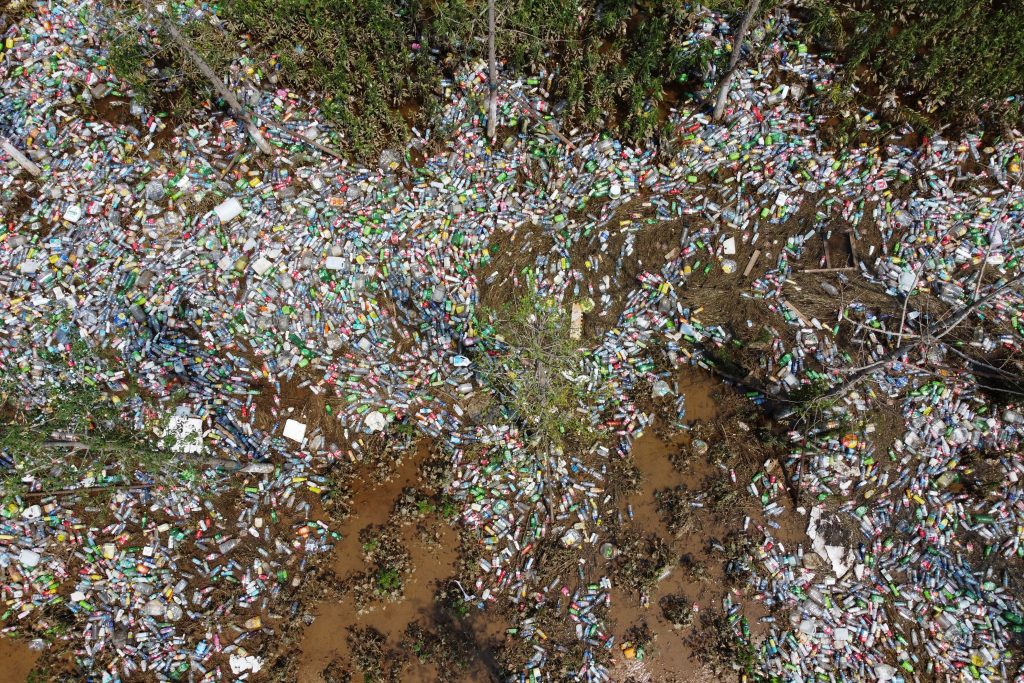
Reuters photo
To conclude…
Even if we use it or not, at least now we have a way of thanks to science and the researchers who contributed to this amazing technology. And dare I must say, we are in huge need of new recycling technologies. With self-farming farms (Read: New and Exhilarating Self-Farming Farms: How to Harvest With Zero Farmers) and recycling technologies, maybe we will get to a point of fully sustainable production circles. If you want to learn how severe the situation is, you can check out Kurzgesagt – In A Nuthsell’s video of Plastic Pollution: How Humans are Turning the World into Plastic just below.

Mariana Trench: 8 Fascinating Facts About the Earth’s Deepest Place
10 most famous scientists who contributed to astronomy and space

Top 25 extremely stunning photos of Northern Lights of 2020 revealed

Meteorite makes Indonesian man a millionaire as piece crashes through his roof
It’s Now Possible to Predict Blood Cancer With Ten-Second Videos
This Inexpensive Method Speeds up Analysis of 3D Printed Metal Parts

SpaceX Dragon: A Game Changer for NASA
Tiny fish, big boom: This small fish found to roar like a gunshot

Turkish city unveils design of Mars Colony project for tourists

Researchers Reveal the Source of the Electron Rain Phenomenon
A New Study Reveals How Climate Change Will Affect Sound Travels Underwater
Here Are 6 Space Technologies We Can Benefit to Improve Life on Earth
SpaceX Announced Crew Dragon Will No Longer Be Produced
Russia Warns Sanctions on Moscow Could Endanger the ISS
A New Study Reveals How to Make Walking Easier

Remote-control cars to race on the Moon in 2021

Space Debris Problem Is Getting Worse: Causes and Removal Efforts of Rambling Junk
Microplastic Pollution Detected in Human Blood for the First Time

Nvidia CEO declares coding’s end in AI era
Here Is Blue Origin’s Touristic Rocket: The New Shepard Design
The Fastest Manned Plane in the World: Here’s The Insane Engineering of the X-15
Here Are 6 Space Technologies We Can Benefit to Improve Life on Earth
Pentagon Formed A New Group To Investigate UFO Reports
Space Debris Problem Is Getting Worse: Causes and Removal Efforts of Rambling Junk
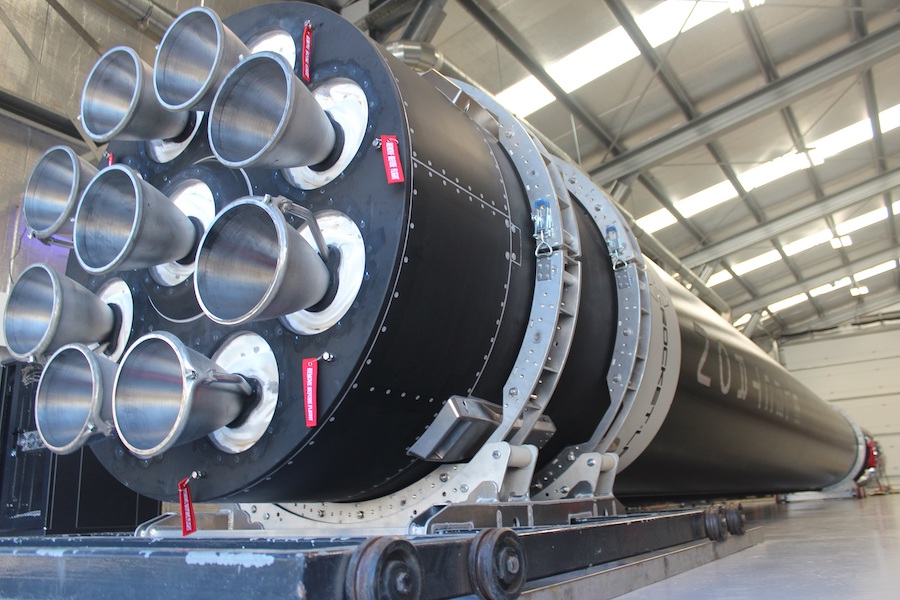
From New Zealand to the US: The Rocket Lab Story
Here Is Blue Origin’s Touristic Rocket: The New Shepard Design
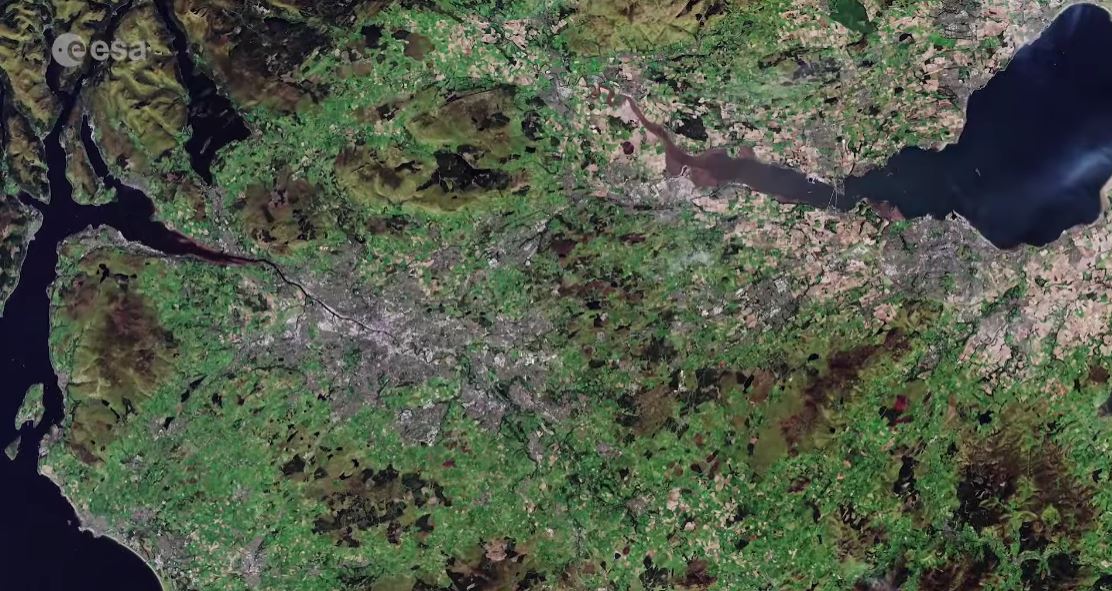
Take a Look at Earth From Space: Glasgow, Scotland
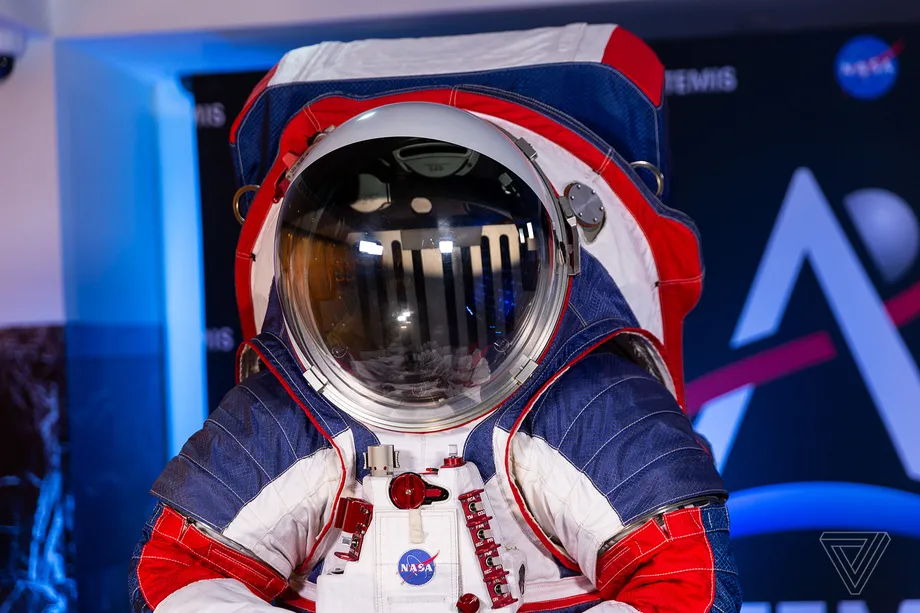
NASA Is Preparing Next Generation Spacesuits for Moon Mission and Beyond
Remote-control cars to race on the Moon in 2021
Meteorite makes Indonesian man a millionaire as piece crashes through his roof
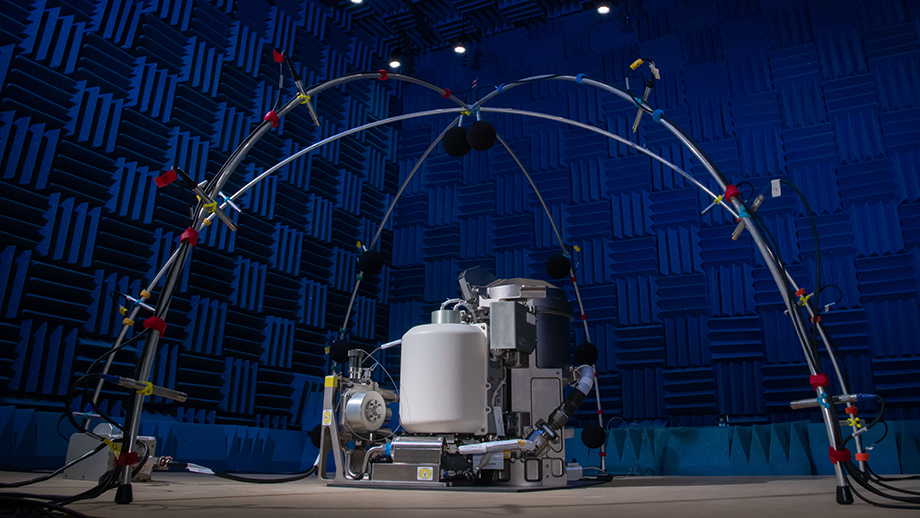
NASA sends a new Space toilet for astronauts to ISS

 Earth & Energy5 years ago
Mariana Trench: 8 Fascinating Facts About the Earth’s Deepest Place

 Space6 years ago
10 most famous scientists who contributed to astronomy and space
- Skywatching6 years ago
Top 25 extremely stunning photos of Northern Lights of 2020 revealed
- Engineering6 years ago
Meteorite makes Indonesian man a millionaire as piece crashes through his roof

 Science5 years ago
It’s Now Possible to Predict Blood Cancer With Ten-Second Videos
 Engineering5 years ago
This Inexpensive Method Speeds up Analysis of 3D Printed Metal Parts
- Infographic6 years ago
SpaceX Dragon: A Game Changer for NASA

 Earth & Energy3 years ago
Tiny fish, big boom: This small fish found to roar like a gunshot