
Tech
The Extraordinary Revolution of SpaceX’s Rockets Throughout the History
From Falcon to Starship.

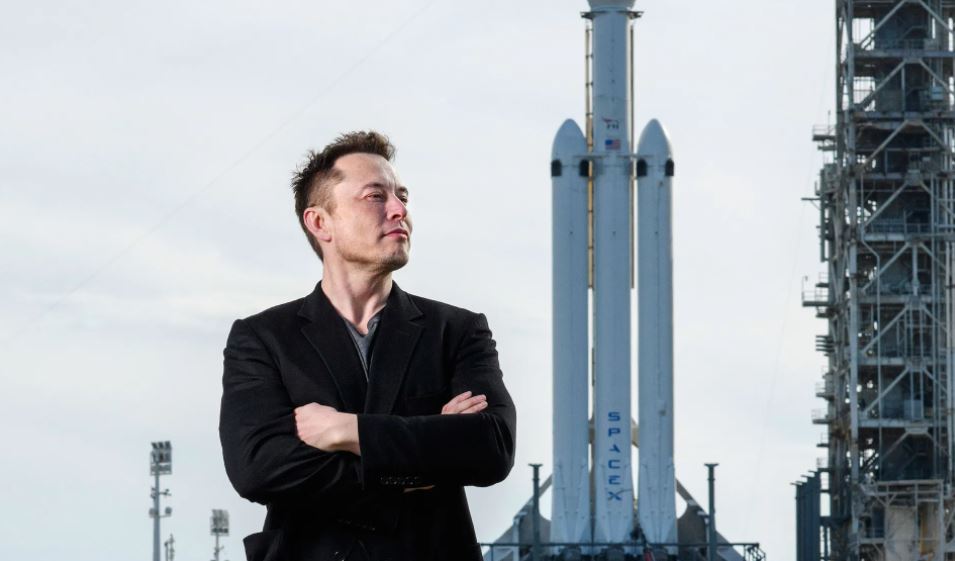
Founded in 2002 by Elon Musk, SpaceX has progressed rapidly to become a global aerospace company. The company has launched some flagship rocket products to the International Space Station (ISS) and planned the advanced ones for future missions, stemming from the founder’s aim of sending a mission to Mars.
Reporting from space.com, the following are some of the SpaceX launch rockets manufactured by the company headquartered in Hawthorne, California.
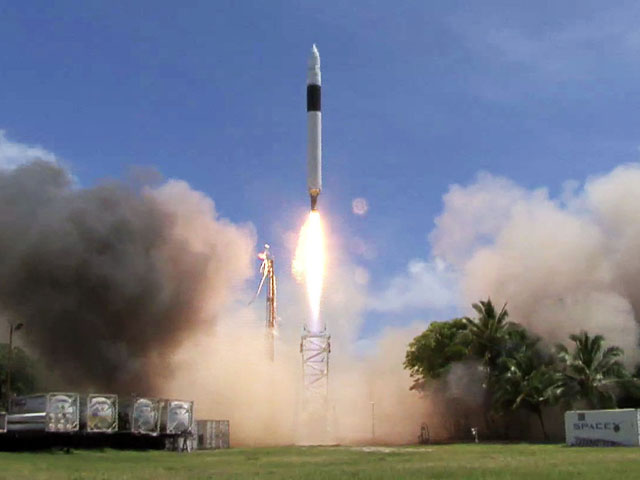
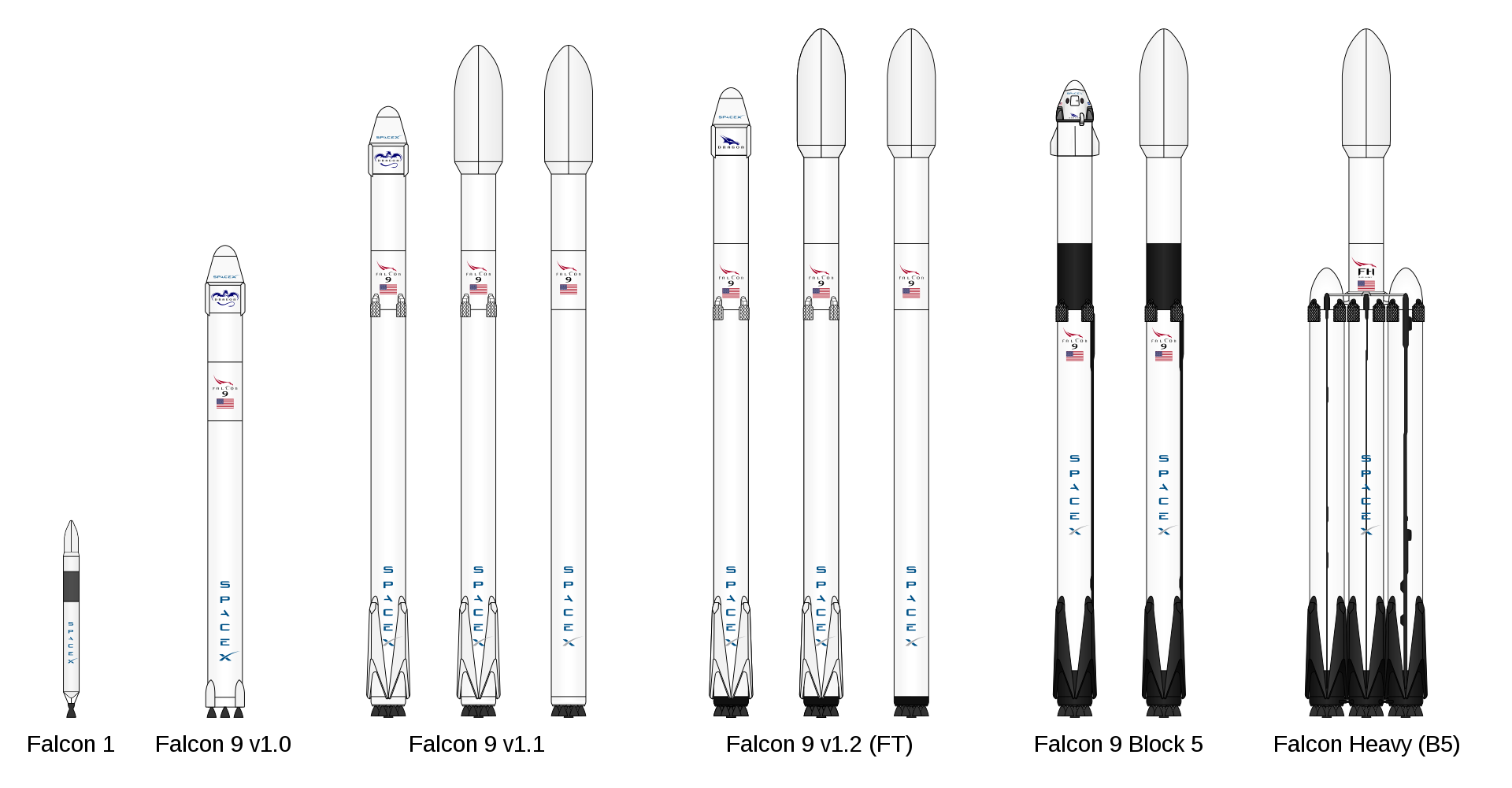
Falcon 1
The Falcon 1 was the first rocket of the SpaceX launch. It was designed to lift 670 kilograms (1,480 pounds) to low Earth orbit and flew in between 2006 and 2009. Musk was inspired to name the Falcon rockets after the “Star Wars” Millennium Falcon spacecraft.
The number “1” after the Falcon name indicates that the rocket was propelled by a single engine which operated on liquid oxygen and rocket-grade fuel. This 68-foot-tall (21 meters) rocket launched from Omelek Island, part of the Pacific Ocean’s Kwajalein Atoll.
SpaceX
Falcon 9
SpaceX began the Falcon 9 development as its first stage employed a cluster of nine engines. The Falcon 9 was first announced by SpaceX in 2005, and the first one lifted out from Florida’s Cape Canaveral Air Force Station in June 2010.
This rocket is capable of delivering a payload weighing up to 28,991 pounds to low Earth orbit. It is 230 feet (70 meters) tall and 12 feet (3.7 meters) broad. Ever since the introduction of the Falcon 9, SpaceX has been interested in reusing the first stage rocket to reduce launch costs.
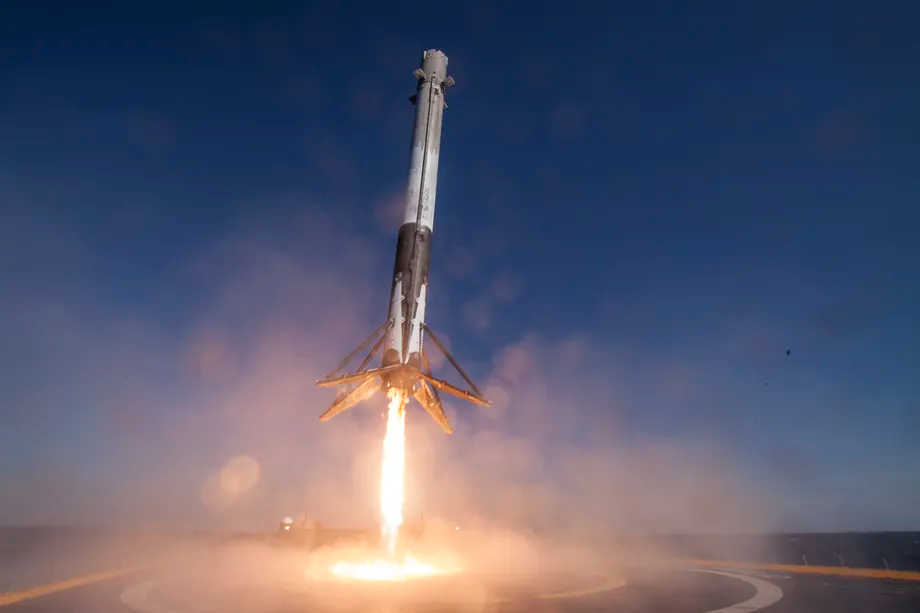
After several failed launch attempts of reusable rockets, the Falcon 9 rocket successfully landed at Landing Zone 1, a SpaceX pad at the Cape Canaveral Air Force Station in Florida on December 21, 2015.
SpaceX
Dragon Dreams
Dragon was the next SpaceX launch that went public in March 2006 after the company sent a proposal for NASA’s Commercial Orbital Transportation Services demonstration program.
The purpose was to create a private spacecraft capable of transporting cargo to and from the International Space Station. In December 2008, NASA chose SpaceX’s Dragon as the provider of commercial resupply services to the space station.
Dragon made its first successful take off in December 2010 and went on a remarkable attempt to dock with the ISS. Unexpectedly, the attempt conducted in 2012 succeeded and was recognized by the world as the first private spacecraft to ever harbor with the space station.
SpaceX
Grasshopper
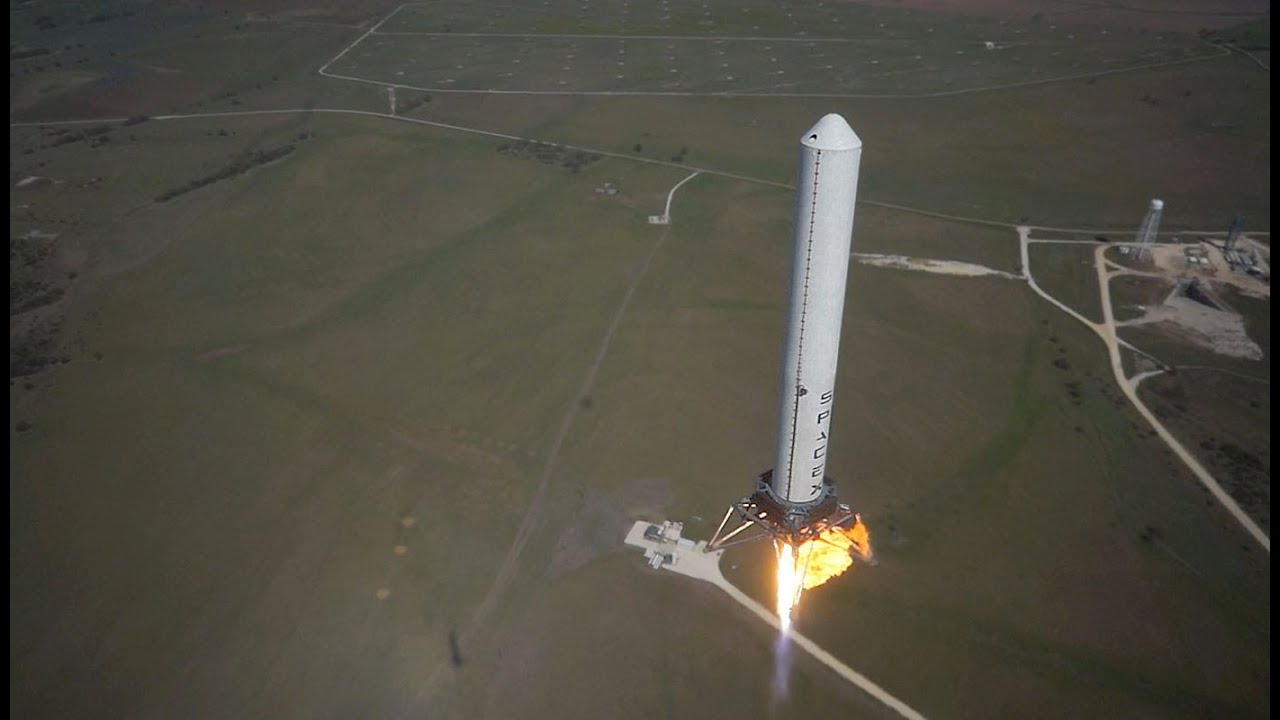
Grasshopper was the SpaceX launch rocket prototype that blasted off at SpaceX’s McGregor, Texas. This 100-foot-tall rocket did not receive as much public attention as the other programs of SpaceX. However, it was essential to the advancement of Falcon 9’s reusable first stage.
After two years of high jumps and proper landings, SpaceX terminated the Grasshopper program in 2013 to allocate more resources towards the Falcon 9 rocket development.
YouTube
Falcon 9 Reusable Development Vehicle
In 2012, SpaceX launched the Falcon 9 Reusable Development Vehicle based on the Falcon 9’s first stage. Between April and August 2014, the company flew this system five times at the SpaceX McGregor area, with some flights surpassing altitudes of 3,280 feet (1,000 m).
SpaceX’s first successful Falcon 9 touchdown at Landing Zone 1 in December 2015 was such a breakthrough for rocket reusability. However, the company continued to improve themselves as they faced a number of successful and unsuccessful ocean landings.
In 2015, SpaceX attempted to land on a drone ship above the ocean, but each attempt failed. Thanks to the hard work of Musk and his team, the first stage Falcon 9 finally managed to land smoothly on the drone ship in the Atlantic Ocean in 2016.
Falcon Heavy
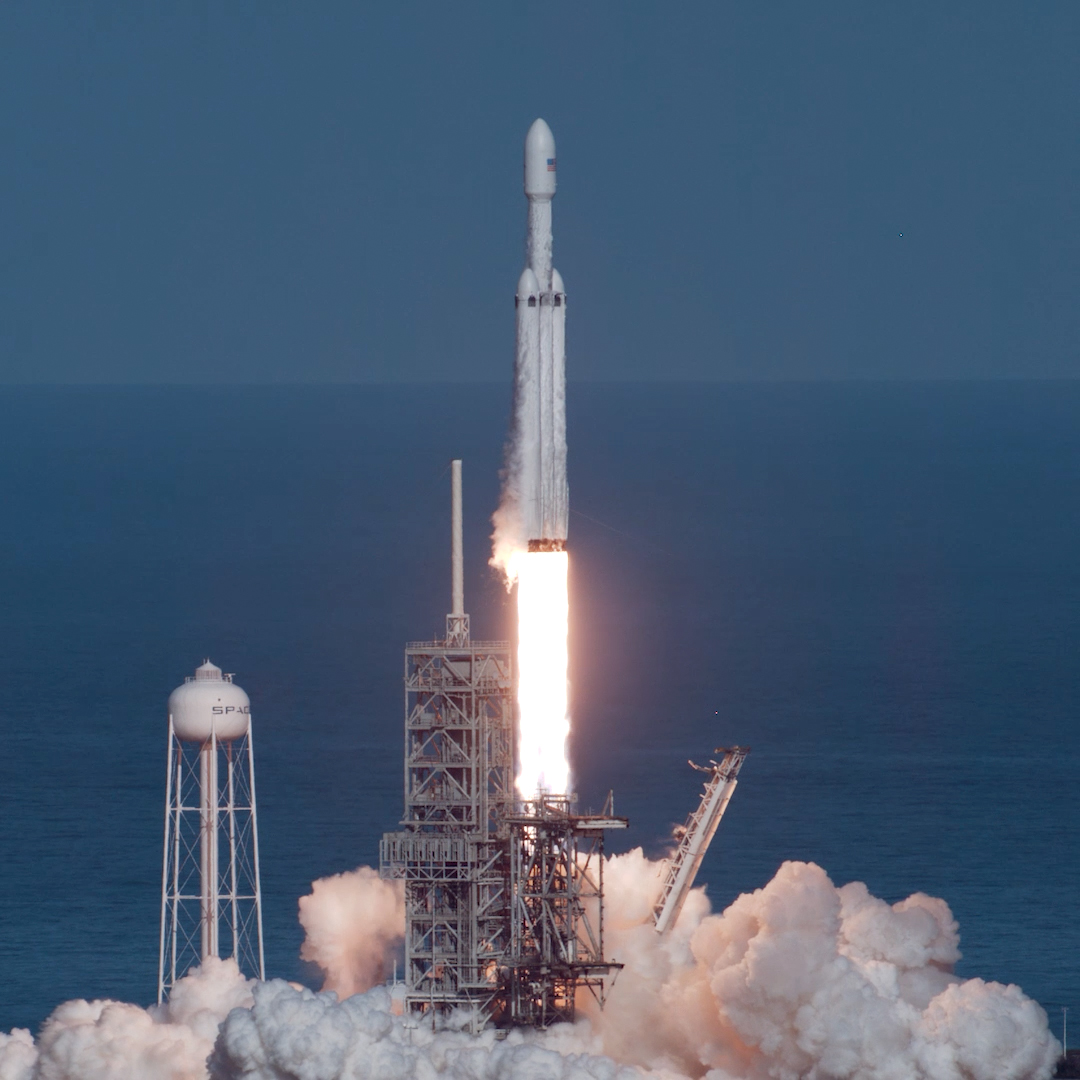
The Falcon Heavy is the SpaceX launch rocket with 70 m tall and can carry about 141,000 pounds of payload to low Earth orbit. It is the Falcon series’ heavy-lift version which contains three first-stage core rockets based on SpaceX’s workhorse Falcon 9 and a strong upper stage.
This powerful rocket made its successful maiden jump in February 2018 from NASA’s Pad 39A at the Kennedy Space Center, Florida. On its inaugural flight, the rocket successfully sent a Tesla car into orbit as well as a mannequin, known as Starman, in a spacesuit.
SpaceX
Developed Dragon Spacecraft
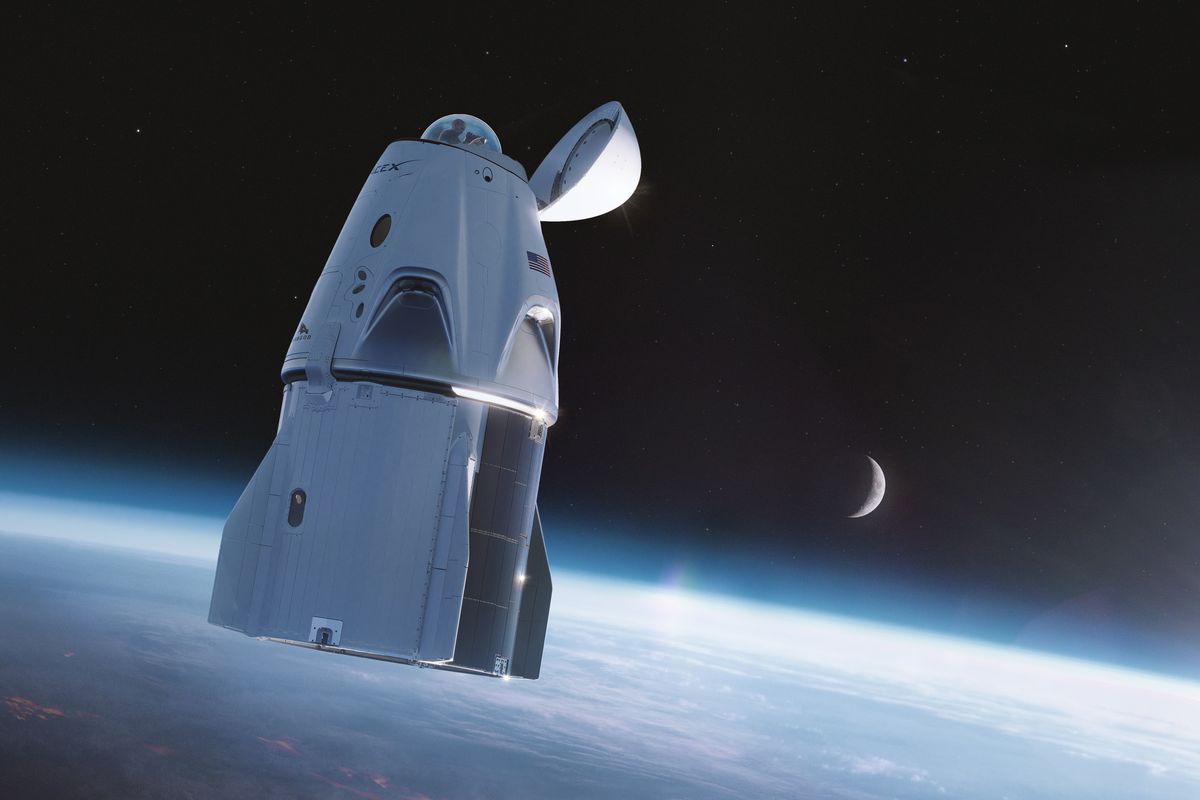
During the commercial mission launch, SpaceX started working on a human-rated Dragon spacecraft so that they could transport astronauts to the ISS. In 2014, the company received a contract for this launch worth up to $2.6 billion.
SpaceX revealed the developed spacecraft to the public in 2015, exhibiting the inside of Crew Dragon. It was designed in minimalist; white walls, black leather seats, multiple flat-panel screens, and four windows.
As for the cargo version, SpaceX wanted a similar Dragon spacecraft, in order to accelerate the crew version’s development.
The Falcon 9 Block 5
Another SpaceX launch occurred in 2018. The company released the final version of Falcon 9, which is the Block 5 booster. The Falcon 9 Block 5’s initial development was to launch Bangladesh’s first communications satellite in May 2018, followed by an Indonesian satellite in August.
Starship and Super Heavy
The Starship and Super Heavy are entirely new vehicles released by SpaceX in September 2019. It is a massive, fully reusable rocket and booster equipped with a futuristic system eligible for exploring Mars, reaching the moon, and other space destinations.
The Starship and its Super Heavy booster can carry 110 tons to low Earth orbit, and its current form stands about 118 meters tall. Musk intends to deploy this rocket in the future to bring hundreds or thousands of people to Mars at once.
Starhopper from SpaceX Launch
The Starhopper is the prototype of its Starship launched in 2019. This squat, three-legged stainless steel rocket featured a single Raptor rocket engine. This project did not last long as SpaceX discontinued the Starhopper after its 150 meters jump in August 2019.
The Starship Mark 1
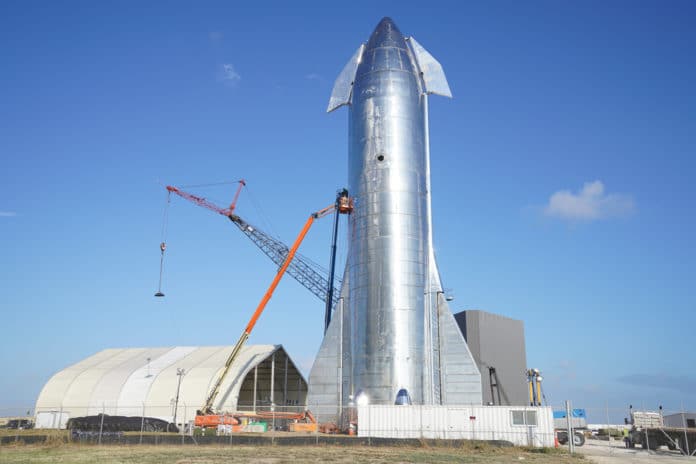
SpaceX revealed the Starship prototype named the Starship Mark 1 or Starship Mk1 in September 2019. Similar to Starhopper, the Starship Mk1 is built of stainless steel but presents some changes in its design, in which there are only two fins as there were three for Starship.
The Starship Mk1 is meant only for uncrewed flights, and since then, the company has built other versions of the Starship prototypes, such as Starship SN4 (Serial No. 4) and the other serial numbers.

Mariana Trench: 8 Fascinating Facts About the Earth’s Deepest Place
10 most famous scientists who contributed to astronomy and space

Top 25 extremely stunning photos of Northern Lights of 2020 revealed

Meteorite makes Indonesian man a millionaire as piece crashes through his roof

It’s Now Possible to Predict Blood Cancer With Ten-Second Videos
This Inexpensive Method Speeds up Analysis of 3D Printed Metal Parts

SpaceX Dragon: A Game Changer for NASA
Tiny fish, big boom: This small fish found to roar like a gunshot

Turkish city unveils design of Mars Colony project for tourists

Researchers Reveal the Source of the Electron Rain Phenomenon
A New Study Reveals How Climate Change Will Affect Sound Travels Underwater
Here Are 6 Space Technologies We Can Benefit to Improve Life on Earth
SpaceX Announced Crew Dragon Will No Longer Be Produced
Russia Warns Sanctions on Moscow Could Endanger the ISS
A New Study Reveals How to Make Walking Easier

Remote-control cars to race on the Moon in 2021
Space Debris Problem Is Getting Worse: Causes and Removal Efforts of Rambling Junk

Microplastic Pollution Detected in Human Blood for the First Time

Nvidia CEO declares coding’s end in AI era
Here Is Blue Origin’s Touristic Rocket: The New Shepard Design
The Fastest Manned Plane in the World: Here’s The Insane Engineering of the X-15
Here Are 6 Space Technologies We Can Benefit to Improve Life on Earth
Pentagon Formed A New Group To Investigate UFO Reports
Space Debris Problem Is Getting Worse: Causes and Removal Efforts of Rambling Junk
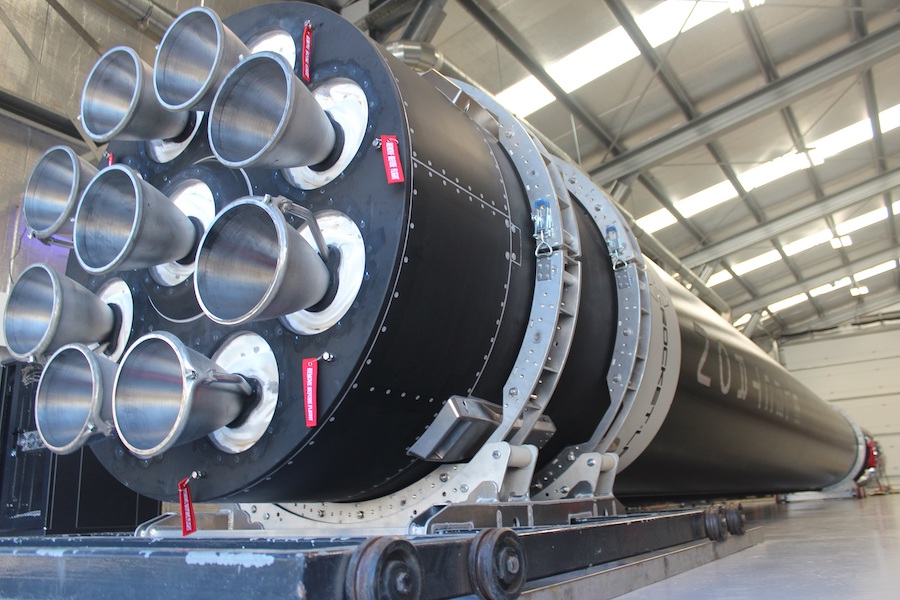
From New Zealand to the US: The Rocket Lab Story
Here Is Blue Origin’s Touristic Rocket: The New Shepard Design

Take a Look at Earth From Space: Glasgow, Scotland
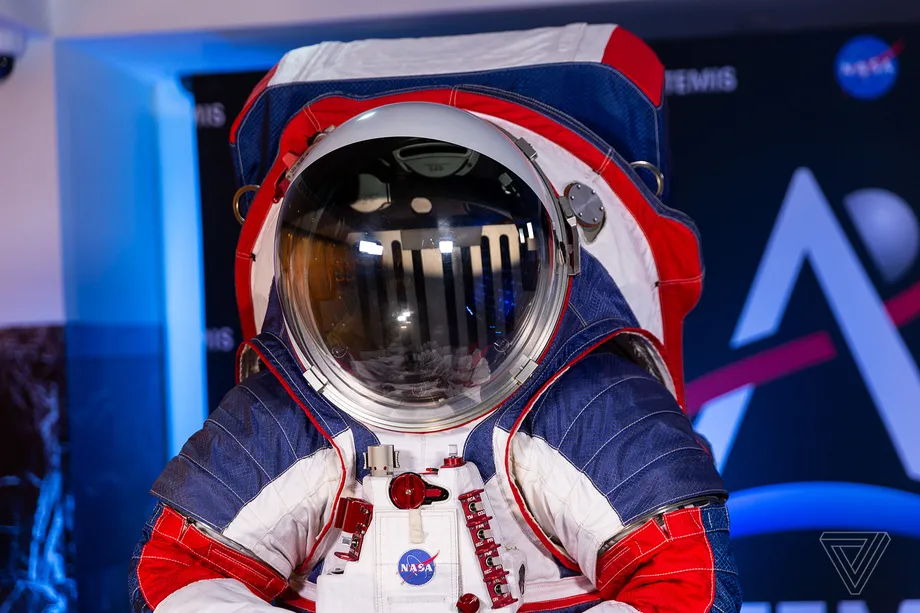
NASA Is Preparing Next Generation Spacesuits for Moon Mission and Beyond
Remote-control cars to race on the Moon in 2021
Meteorite makes Indonesian man a millionaire as piece crashes through his roof
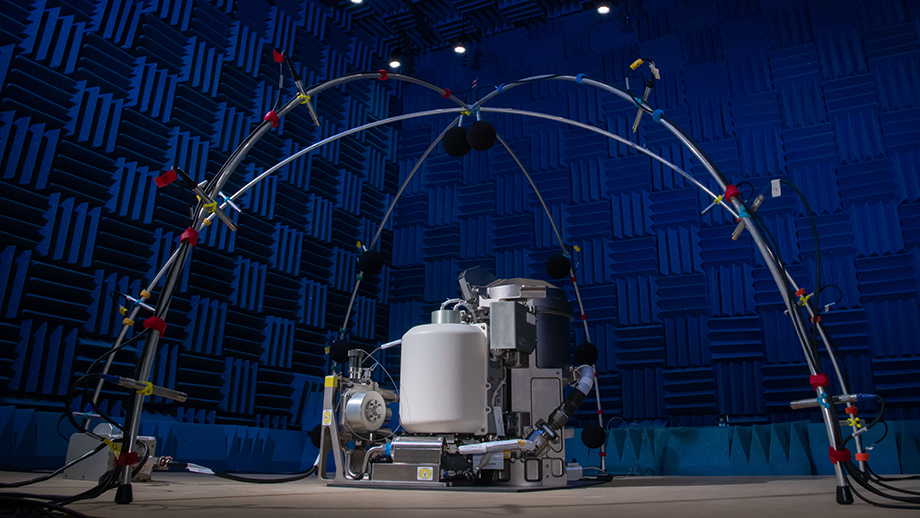
NASA sends a new Space toilet for astronauts to ISS

 Earth & Energy5 years ago
Mariana Trench: 8 Fascinating Facts About the Earth’s Deepest Place

 Space6 years ago
10 most famous scientists who contributed to astronomy and space
- Skywatching6 years ago
Top 25 extremely stunning photos of Northern Lights of 2020 revealed
- Engineering6 years ago
Meteorite makes Indonesian man a millionaire as piece crashes through his roof

 Science5 years ago
It’s Now Possible to Predict Blood Cancer With Ten-Second Videos
 Engineering5 years ago
This Inexpensive Method Speeds up Analysis of 3D Printed Metal Parts
- Infographic6 years ago
SpaceX Dragon: A Game Changer for NASA

 Earth & Energy3 years ago
Tiny fish, big boom: This small fish found to roar like a gunshot