
Space
Scientists Present the Best Timeline Ever for Milky Way
What actually happened there?

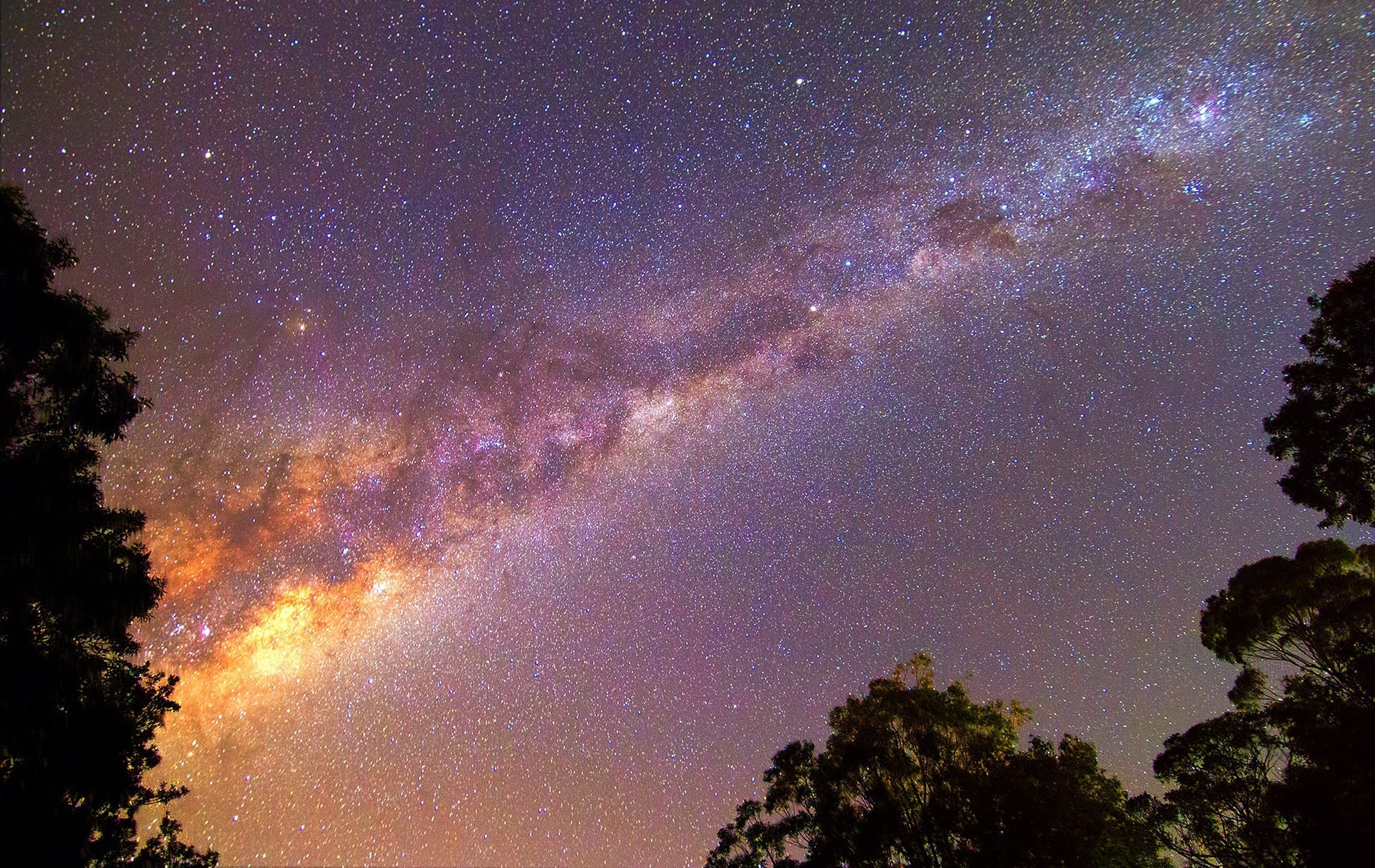
The Milky Way is far larger than most of its neighbors and was formed long ago when smaller galaxies merged. As we know, our galaxy has a thick disk that emerged following the beginning of everything — a process that is known as the Big Bang.
According to the newly created timeline, the galaxy’s original disk arose 2 billion years before the formation of its stellar halo. “We are now able to create a very clear timeline of events in the earliest time of our Milky Way,” Maosheng Xiang, an astronomer, explained.
Maosheng Xiang and Hans-Walter Rix from Max Planck Institute for Astronomy in Heidelberg, Germany, examined almost a quarter of subgiants. Stars belonging to this group literally overgrow as they consume hydrogen during the evolution process happening at their centers.
Cosmis activities in the Milky Way
Astronomers studying stars receive critical information regarding those objects’ lifetime by analyzing their temperatures and brightness of them. This allows scientists to understand how contrast ratings below are in galactic history, which have produced stars with different chemical compositions and different orbits around the Milky Way’s center.
Xiang and Rix found out how the Milky Way’s disk started to combine and reshape almost 13 billion years ago, which is only 800 million years after the universe’s nascent. The Milky Way’s thick disk is estimated to be 6000 light-years from the Sun’s vicinity and has repeatedly formed stars over a long period, nearly 8 billion years ago, according to Science News.
In this period, the team found that the iron content of the thick disk increased 30-fold as exploding stars enhanced the star-forming gas. Moreover, Xiang and Rix discovered a close relationship between the age of a thick disk and its iron content, meaning that the gas in the thick disk was well mixed. The newborn stars began to absorb increasing amounts of iron, regardless of their location.
With all these happening, many researchers reported in 2018 about how a different galaxy hit ours and gave Milky Way most of the stars in its halo. As the thick disk in question used up gas, it deactivated the process of forming stars 8 billion years ago. And today as a young galaxy, the Milky Way’s thin disk is about 2,000 light-years.

Mariana Trench: 8 Fascinating Facts About the Earth’s Deepest Place
10 most famous scientists who contributed to astronomy and space

Top 25 extremely stunning photos of Northern Lights of 2020 revealed

Meteorite makes Indonesian man a millionaire as piece crashes through his roof
It’s Now Possible to Predict Blood Cancer With Ten-Second Videos

This Inexpensive Method Speeds up Analysis of 3D Printed Metal Parts

SpaceX Dragon: A Game Changer for NASA
Tiny fish, big boom: This small fish found to roar like a gunshot

Turkish city unveils design of Mars Colony project for tourists

Researchers Reveal the Source of the Electron Rain Phenomenon

A New Study Reveals How Climate Change Will Affect Sound Travels Underwater
Here Are 6 Space Technologies We Can Benefit to Improve Life on Earth
SpaceX Announced Crew Dragon Will No Longer Be Produced
Russia Warns Sanctions on Moscow Could Endanger the ISS

A New Study Reveals How to Make Walking Easier

Remote-control cars to race on the Moon in 2021
Space Debris Problem Is Getting Worse: Causes and Removal Efforts of Rambling Junk

Microplastic Pollution Detected in Human Blood for the First Time

Nvidia CEO declares coding’s end in AI era
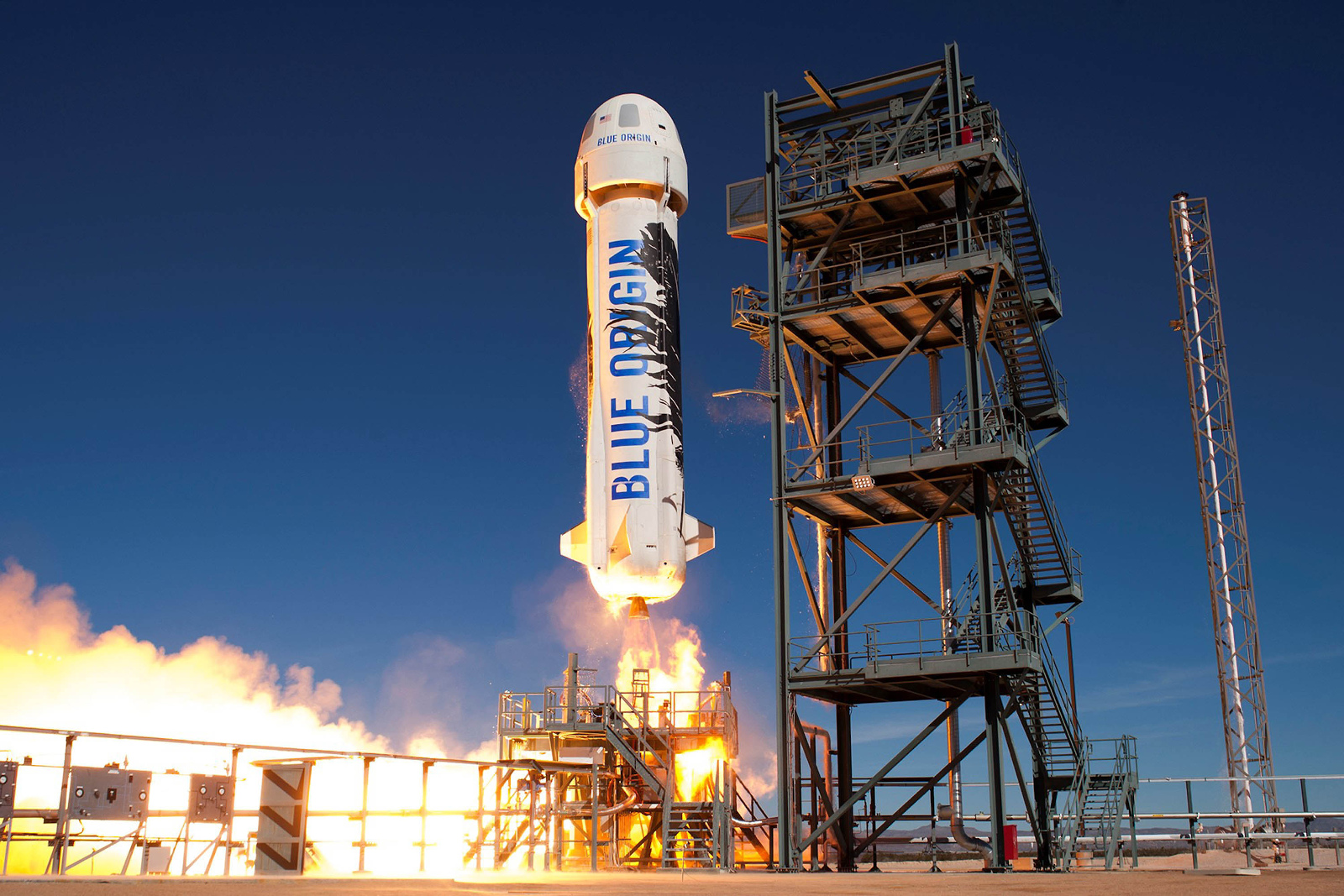
Here Is Blue Origin’s Touristic Rocket: The New Shepard Design
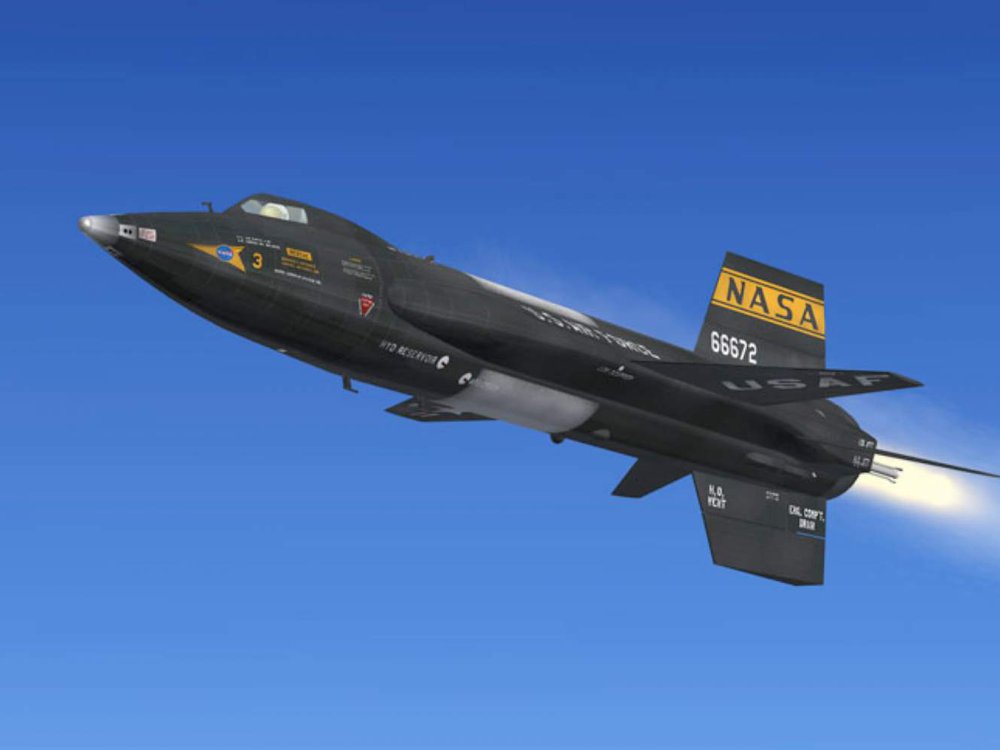
The Fastest Manned Plane in the World: Here’s The Insane Engineering of the X-15
Here Are 6 Space Technologies We Can Benefit to Improve Life on Earth
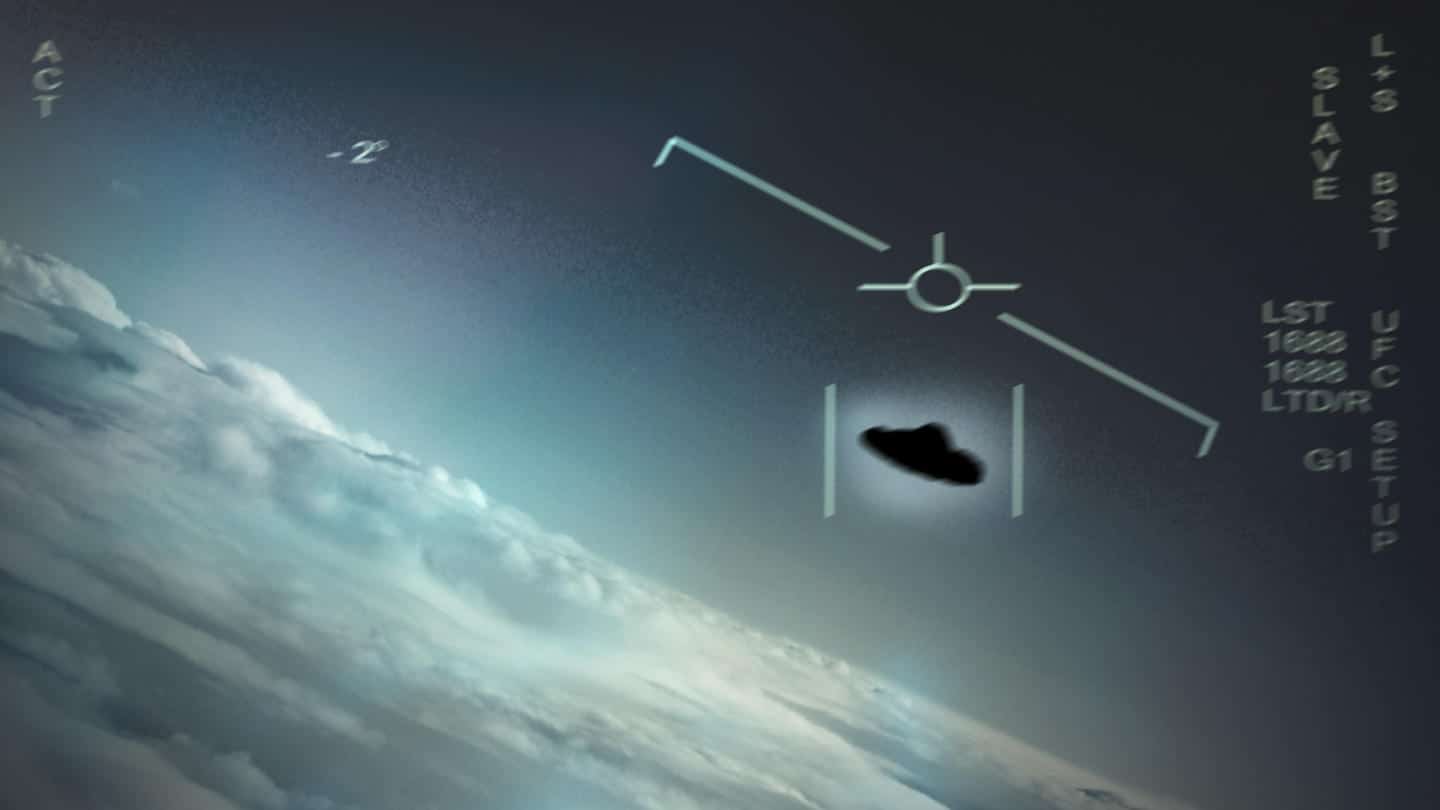
Pentagon Formed A New Group To Investigate UFO Reports
Space Debris Problem Is Getting Worse: Causes and Removal Efforts of Rambling Junk
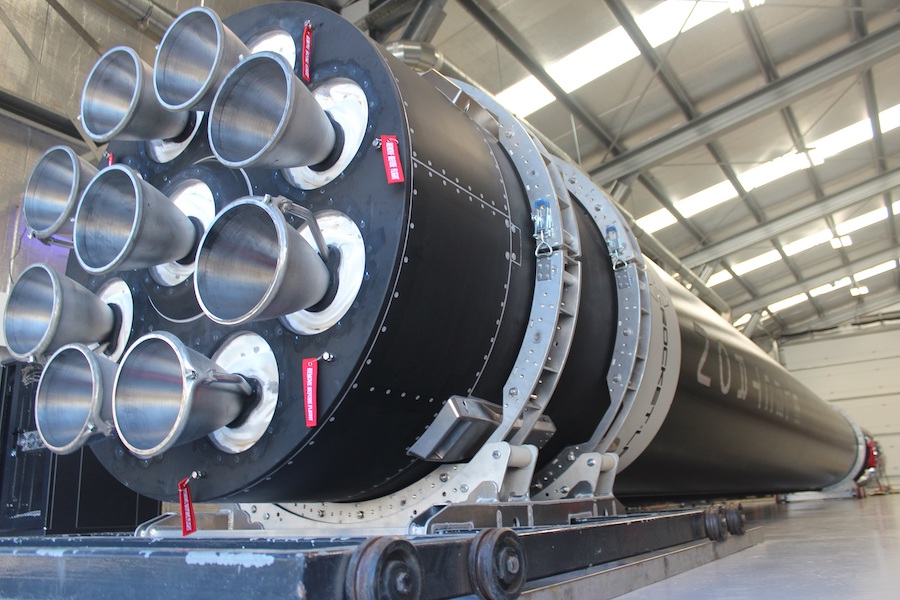
From New Zealand to the US: The Rocket Lab Story
Here Is Blue Origin’s Touristic Rocket: The New Shepard Design

Take a Look at Earth From Space: Glasgow, Scotland
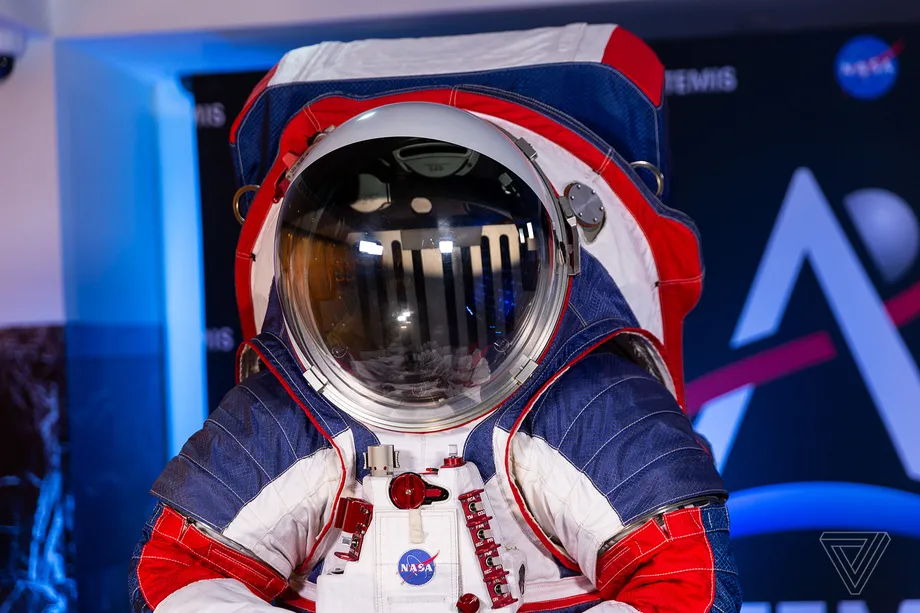
NASA Is Preparing Next Generation Spacesuits for Moon Mission and Beyond
Remote-control cars to race on the Moon in 2021
Meteorite makes Indonesian man a millionaire as piece crashes through his roof
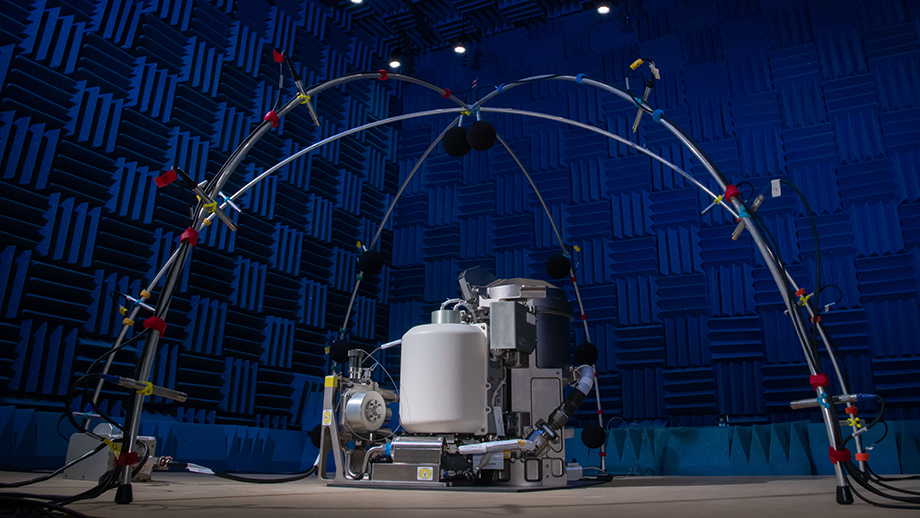
NASA sends a new Space toilet for astronauts to ISS

 Earth & Energy5 years ago
Mariana Trench: 8 Fascinating Facts About the Earth’s Deepest Place

 Space6 years ago
10 most famous scientists who contributed to astronomy and space
- Skywatching6 years ago
Top 25 extremely stunning photos of Northern Lights of 2020 revealed
- Engineering6 years ago
Meteorite makes Indonesian man a millionaire as piece crashes through his roof

 Science5 years ago
It’s Now Possible to Predict Blood Cancer With Ten-Second Videos
 Engineering5 years ago
This Inexpensive Method Speeds up Analysis of 3D Printed Metal Parts
- Infographic6 years ago
SpaceX Dragon: A Game Changer for NASA

 Earth & Energy3 years ago
Tiny fish, big boom: This small fish found to roar like a gunshot