
Space
Invisible and Mysterious, Black Holes Play an Important Role in The Universe
Not as terrible as thought, black holes are generous instead of greedy astronomical objects.

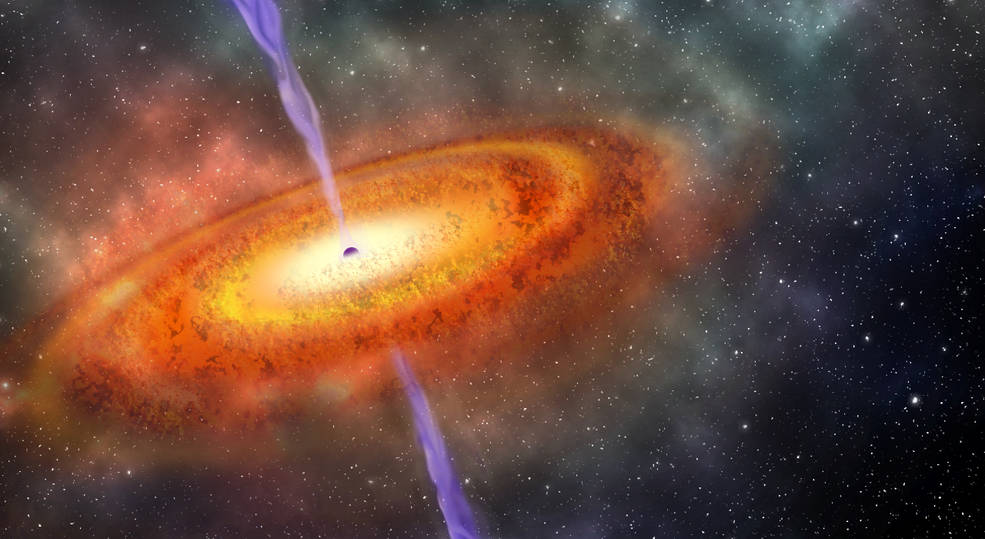
What springs to mind when you hear the term “black holes”? Eater, strong gravitation, point of no return are probably some of the renowned notions that describe black holes. An empty place with a powerful gravitational force, not letting anything that passes through it escape, makes black holes scary to imagine.
The forceful gravitation of black holes is due to their density formed by the catastrophic explosion of a dead star known as a supernova. The materials of the explosion packed into a tight gap, making the black holes dense. Be it a star, a planet, a spacecraft that goes over black holes’ event horizons will dissolve for escaping its area requires a speed faster than the speed of light.
What’s even terrifying is that black holes are invisible. From the natures and characteristics of black holes, they sound like demons. But despite their horrific nature and invisibility, black holes actually play a vital part in the cosmos, benefiting their surroundings.
Why black holes are important in the universe
1 – Thanks to stellar explosions
Black holes were born from phenomena called stellar explosions, or as previously mentioned, supernovae (plural of supernova). It happened when something in space five times the mass of the Sun and a million times that of the Earth exploded. This phenomenon undeniably spewed millions of elements, such as hydrogen, oxygen, nitrogen, and carbon.
Gold and platinum were also among the heavier elements expelled by the explosion. Those elements then spread as a result of collisions between black holes and neutron stars. The air that humans breathe, the fuel of rockets that now help explore space, a man’s wealth of gold, all of those originally came from a dead star that burst in outer space.
Those substances, generated by the birth and activities of black holes, are responsible for the evolution of our planet. And perhaps, without their being in the first place, neither Earth nor humans would have existed in this universe.

Event Horizon Telescope Collaboration
2 – Star formation within galaxies
Among all types of black holes, the supermassive is one of the most feared. Furthermore, a supermassive black hole often emits tremendous radiation rays of destruction, known as jets. While it is true that a star passing close to a black hole can be spaghettified –vertically stretched and horizontally squeezed– the supermassive black hole effectively helps in the birth of new stars.
These newly-generated stars are not in galaxies where the supermassive black holes perch. They are in tiny satellite galaxies on the periphery of the massive galaxies. More than a hundred thousand satellite galaxies surround tens of thousands of the massive galaxies, which feature a supermassive black hole at the center, as astronomers found.
The unleashed energy from the core supermassive black hole can cause chaos. However, it can also hurl out intergalactic gas in the direction of the radiation beam, propelling the gas away onto the galaxy’s edge and forming gas bubbles. The formation of new stars then takes place when the tiny satellite galaxies cross the bubbles.
Gas is necessary for the formation of new stars. While blowing out the gas, the jets of the supermassive black hole clean out the intergalactic way so that the tiny satellites passing by do not get affected by the supermassive black hole itself. Instead, this activity ensures the ongoing development of the new stars.
3 – Contribution to the performance of the galaxy
The black hole at the heart of a galaxy allows it to develop in our solar system. Not only does the black hole’s gravitational force tug the galaxy’s arms, allowing it to run as it should, but it also keeps the stars and materials in the solar system in their proper positions.
Additionally, gravitation would not exist if black holes were not there in the first place, so there is no ground on how a star can form, let alone the fact that the stars would still be in the same galaxy.

NASA
4 – Research materials and technological advances
Knowledge is one of the things that humans gain nowadays. Any knowledge has the objective of making life more meaningful, and science is one of the knowledge that has a significant influence on human existence since science itself is omnipresent.
It’s as crucial in understanding how the components of this universe work as it is in experiencing the life that sprang from its creation. In this case, it is a black hole, which without this invisible object up there, researchers wouldn’t gain a proper understanding of gravitation, which is fundamental to a great extent.
The black hole study also gave rise to remarkable technology. The urge to learn more and impart information to humanity drives researchers and astronomers to develop technology that enables them to research celestial phenomena that the naked eye cannot see, especially the invisible black holes.
So indeed, every creation and existence in this universe serves a purpose, and as the famous saying goes, don’t judge a book by its cover.
[irp posts=”2344″ name=”US Astronomers Prepared a Wish List to Trace New Possible Earth-Like Planets”]

Mariana Trench: 8 Fascinating Facts About the Earth’s Deepest Place
10 most famous scientists who contributed to astronomy and space

Top 25 extremely stunning photos of Northern Lights of 2020 revealed

Meteorite makes Indonesian man a millionaire as piece crashes through his roof
It’s Now Possible to Predict Blood Cancer With Ten-Second Videos

This Inexpensive Method Speeds up Analysis of 3D Printed Metal Parts

SpaceX Dragon: A Game Changer for NASA
Tiny fish, big boom: This small fish found to roar like a gunshot

Turkish city unveils design of Mars Colony project for tourists

Researchers Reveal the Source of the Electron Rain Phenomenon

A New Study Reveals How Climate Change Will Affect Sound Travels Underwater
Here Are 6 Space Technologies We Can Benefit to Improve Life on Earth
SpaceX Announced Crew Dragon Will No Longer Be Produced
Russia Warns Sanctions on Moscow Could Endanger the ISS
A New Study Reveals How to Make Walking Easier

Remote-control cars to race on the Moon in 2021
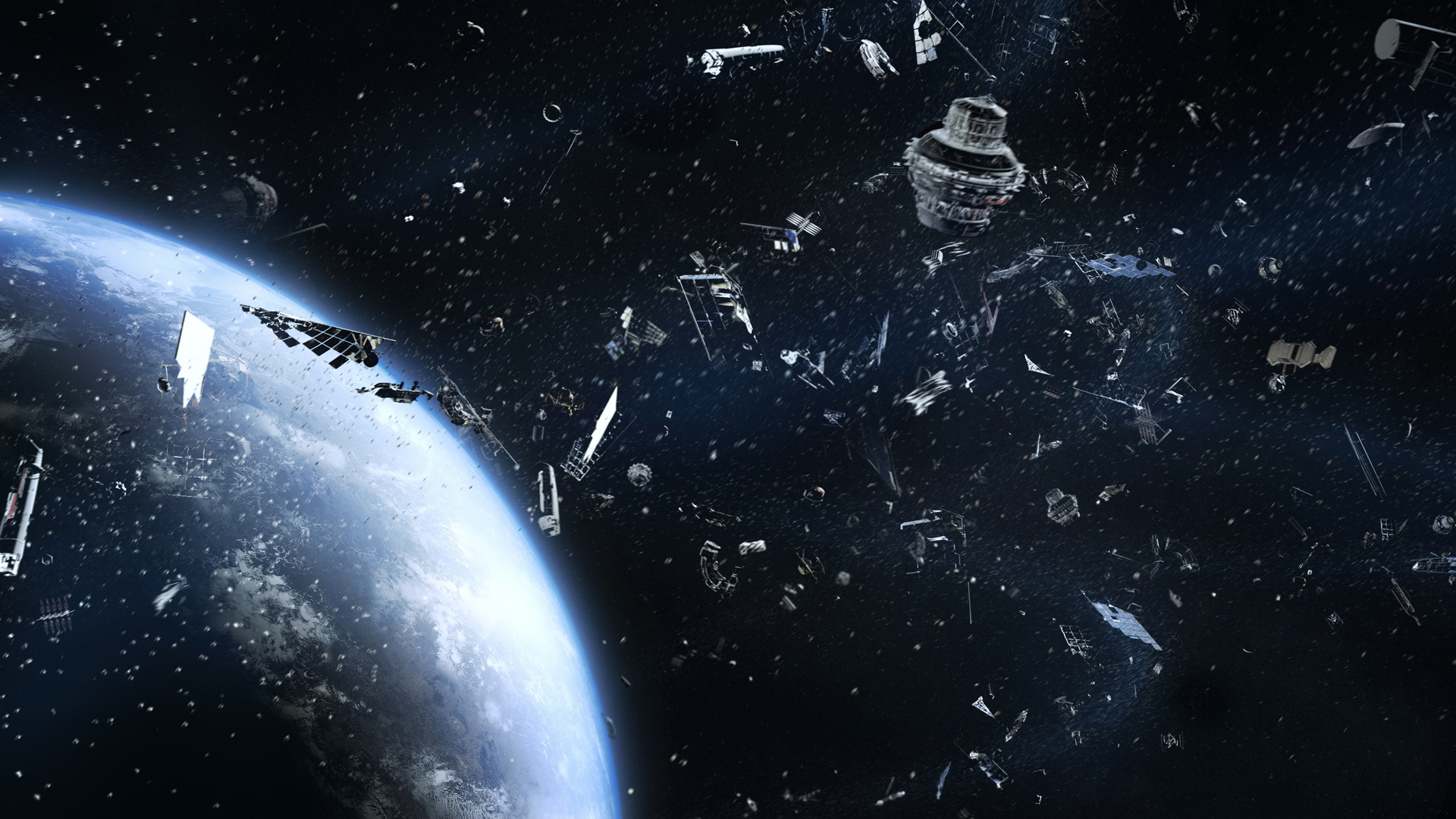
Space Debris Problem Is Getting Worse: Causes and Removal Efforts of Rambling Junk

Microplastic Pollution Detected in Human Blood for the First Time

Nvidia CEO declares coding’s end in AI era

Here Is Blue Origin’s Touristic Rocket: The New Shepard Design
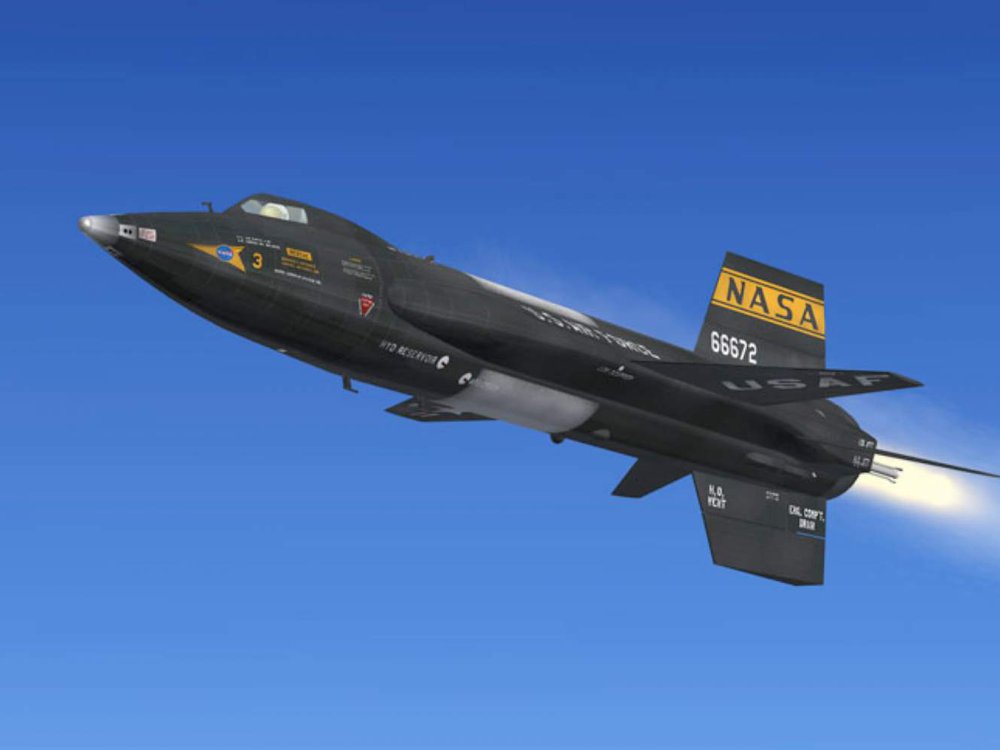
The Fastest Manned Plane in the World: Here’s The Insane Engineering of the X-15
Here Are 6 Space Technologies We Can Benefit to Improve Life on Earth
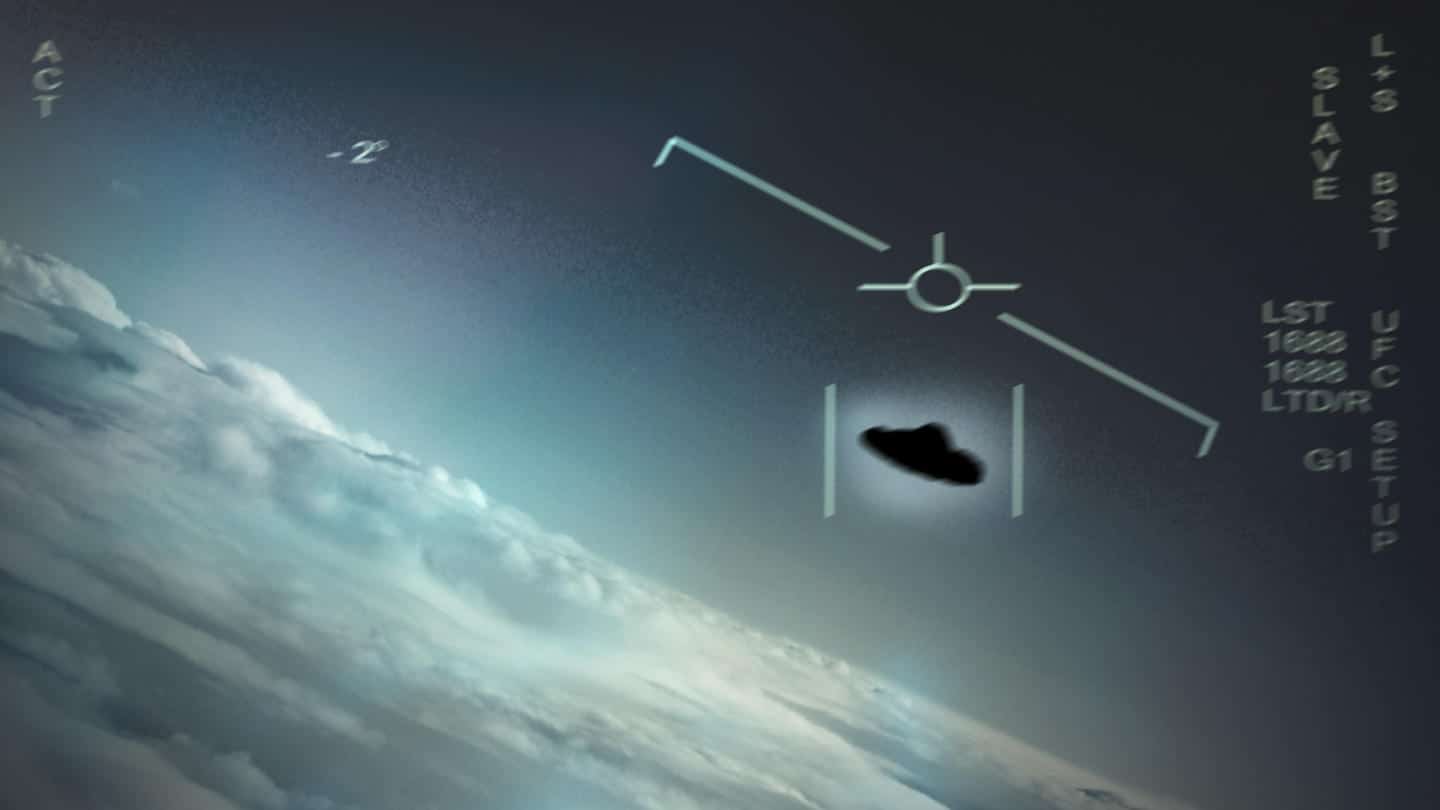
Pentagon Formed A New Group To Investigate UFO Reports
Space Debris Problem Is Getting Worse: Causes and Removal Efforts of Rambling Junk
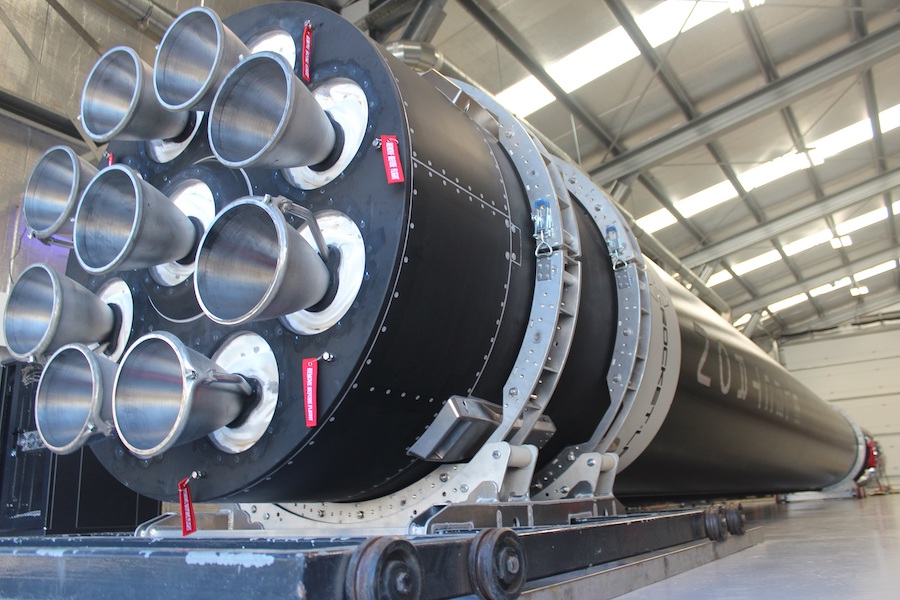
From New Zealand to the US: The Rocket Lab Story
Here Is Blue Origin’s Touristic Rocket: The New Shepard Design
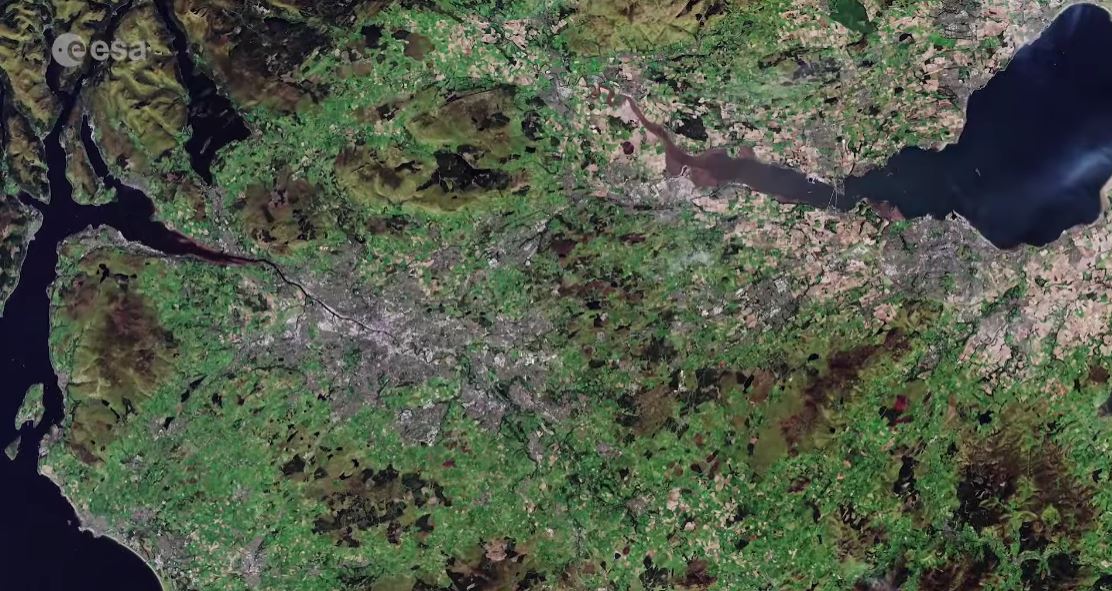
Take a Look at Earth From Space: Glasgow, Scotland
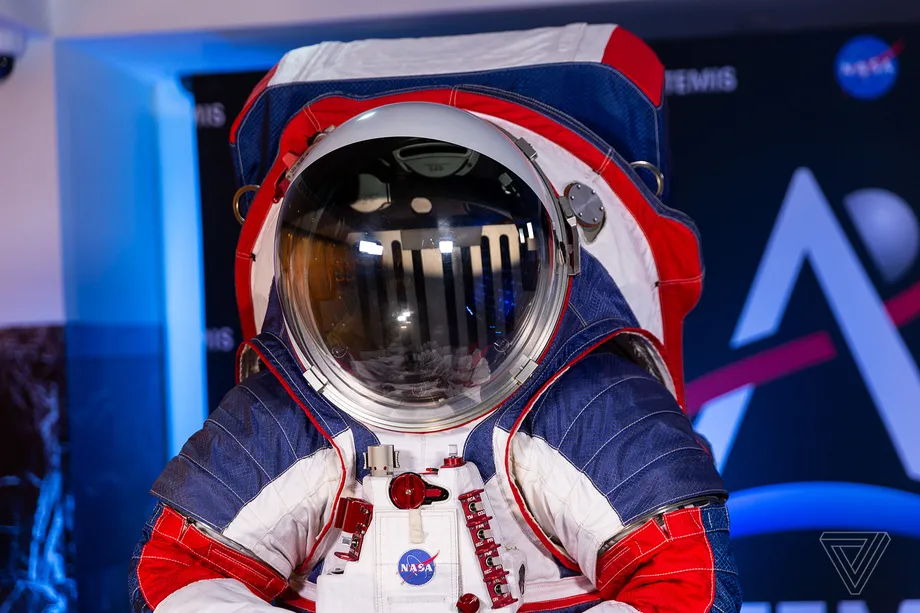
NASA Is Preparing Next Generation Spacesuits for Moon Mission and Beyond
Remote-control cars to race on the Moon in 2021
Meteorite makes Indonesian man a millionaire as piece crashes through his roof
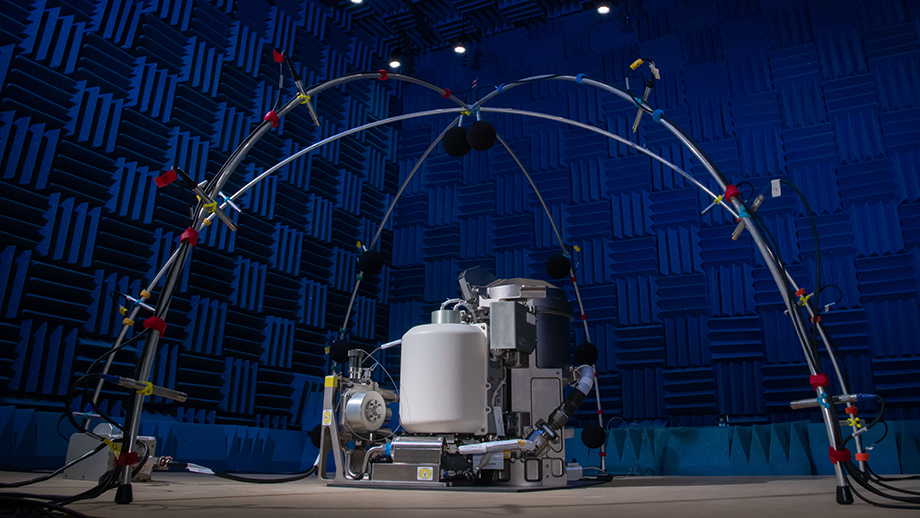
NASA sends a new Space toilet for astronauts to ISS

 Earth & Energy5 years ago
Mariana Trench: 8 Fascinating Facts About the Earth’s Deepest Place

 Space6 years ago
10 most famous scientists who contributed to astronomy and space
- Skywatching6 years ago
Top 25 extremely stunning photos of Northern Lights of 2020 revealed
- Engineering6 years ago
Meteorite makes Indonesian man a millionaire as piece crashes through his roof

 Science5 years ago
It’s Now Possible to Predict Blood Cancer With Ten-Second Videos
 Engineering5 years ago
This Inexpensive Method Speeds up Analysis of 3D Printed Metal Parts
- Infographic6 years ago
SpaceX Dragon: A Game Changer for NASA

 Earth & Energy3 years ago
Tiny fish, big boom: This small fish found to roar like a gunshot