
Space
NASA and Roscosmos Are Planning to Extend Operation Aboard the ISS Until 2030
The space station will orbit our planet for a few more years.

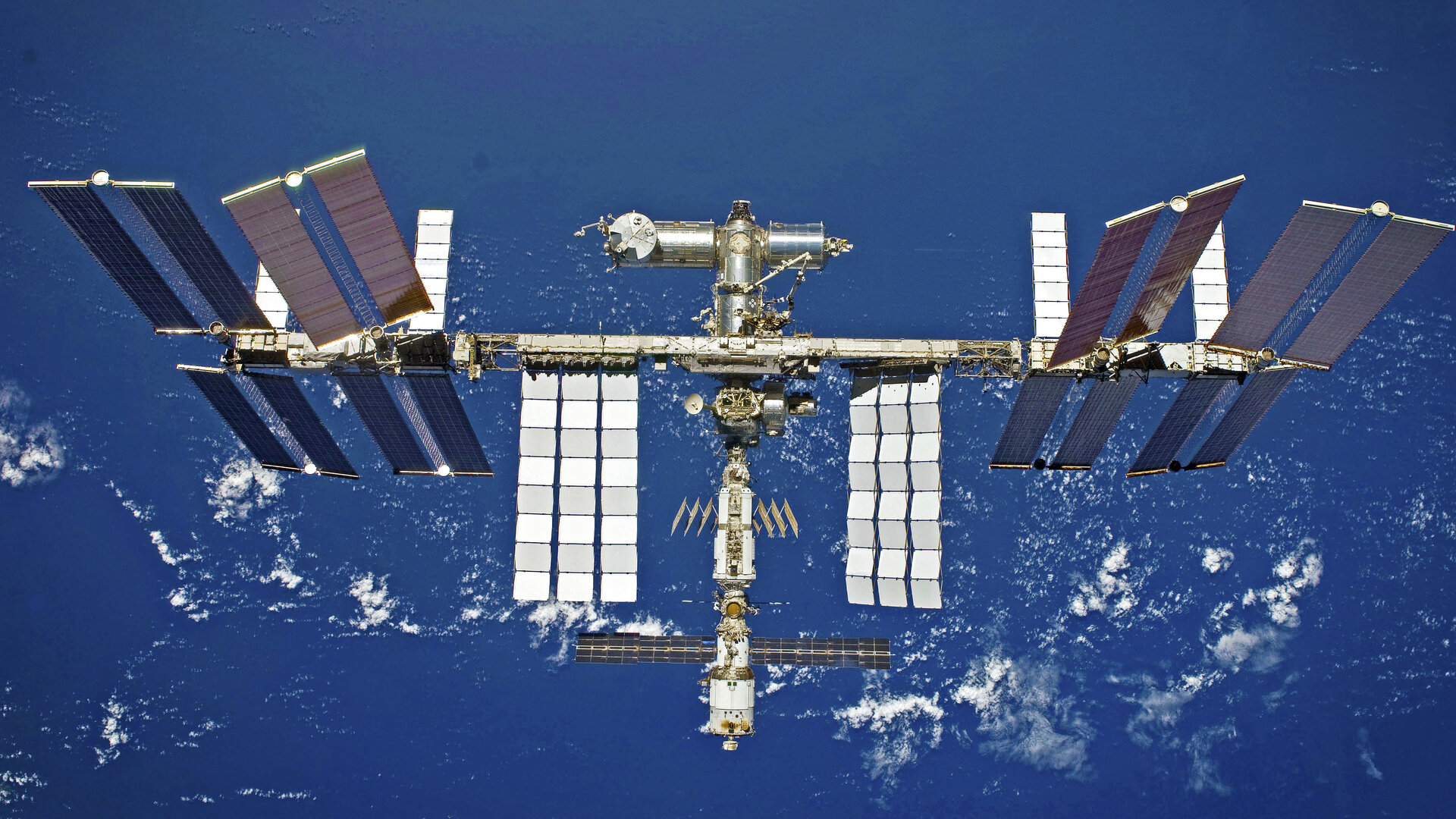
Launched in 1998, the International Space Station has recently been a subject of debate on whether to terminate its operation in space.
Bill Nelson, head of NASA, said before that the US President Joe Biden committed to extending the country’s cooperation aboard the ISS through 2030. Following the announcement, Dmitry Rogozin, the CEO of the Russian space agency Roscosmos said they were in talks with NASA concerning a possible extension of operation on the space station until 2030, TASS reported.
Due to recent leak problems on the space station, Russia has expressed its reluctance to continue its cooperation there before. A statement made from Moscow cleared, “They [partners] should be fairly notified about the withdrawal from the ISS since 2025.”
Partnership for the International Space Station
But now it seems that Russia will continue the partnership with NASA for a few more years. “The talks with NASA on extending the operation of the ISS until 2030 are underway,” announced Rogozin, who also said, “The US sent an official notification relating to the extension of using ISS until 2030 on December 31.”
The ISS is for sure a masterpiece of complex engineering and human invention, and that’s why the European Space Agency (ESA), Japanese Aerospace Exploration Agency, Canadian Space Agency, NASA, and Roscosmos are the partners of the space station to reduce high cost.
According to the report by TASS, Roscosmos and NASA “reached an agreement on the engineering support for the Zarya module until 2024 carried out by Russia.” That module was funded by the US and built by Russia.
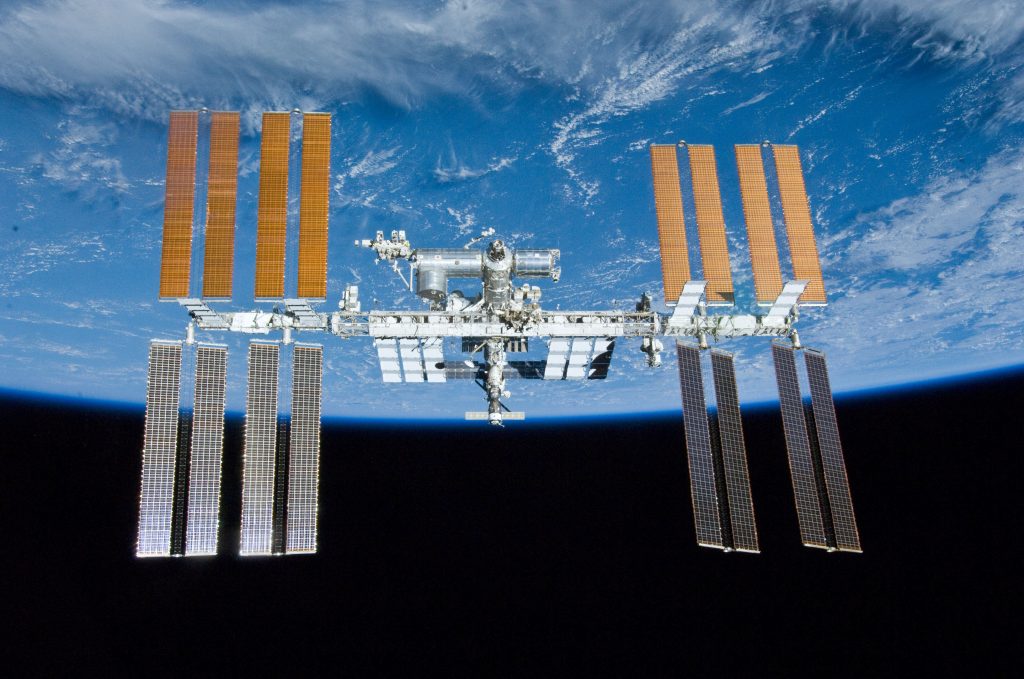
ESA
A lunar space station will be built
Meanwhile, China and Russia are planning to build a lunar space station, which is considered a rival NASA’s Gateway, an envisioned outpost that would orbit the Moon. As a vital piece of the Artemis program, the Gateway would provide crucial support for manned missions to return to the lunar surface.
“With Artemis missions, NASA will land the first woman and first person of color on the Moon,” according to NASA. The ultimate destination is Mars, with gains on and around Earth’s only natural satellite.
What kind of end awaits the space station is unknown. Just wait and see. If you want to know how the International Space Station was built, you can watch the video embedded just below.

Mariana Trench: 8 Fascinating Facts About the Earth’s Deepest Place
10 most famous scientists who contributed to astronomy and space

Top 25 extremely stunning photos of Northern Lights of 2020 revealed

Meteorite makes Indonesian man a millionaire as piece crashes through his roof

It’s Now Possible to Predict Blood Cancer With Ten-Second Videos

This Inexpensive Method Speeds up Analysis of 3D Printed Metal Parts

SpaceX Dragon: A Game Changer for NASA

Tiny fish, big boom: This small fish found to roar like a gunshot

Turkish city unveils design of Mars Colony project for tourists

Researchers Reveal the Source of the Electron Rain Phenomenon

A New Study Reveals How Climate Change Will Affect Sound Travels Underwater
Here Are 6 Space Technologies We Can Benefit to Improve Life on Earth
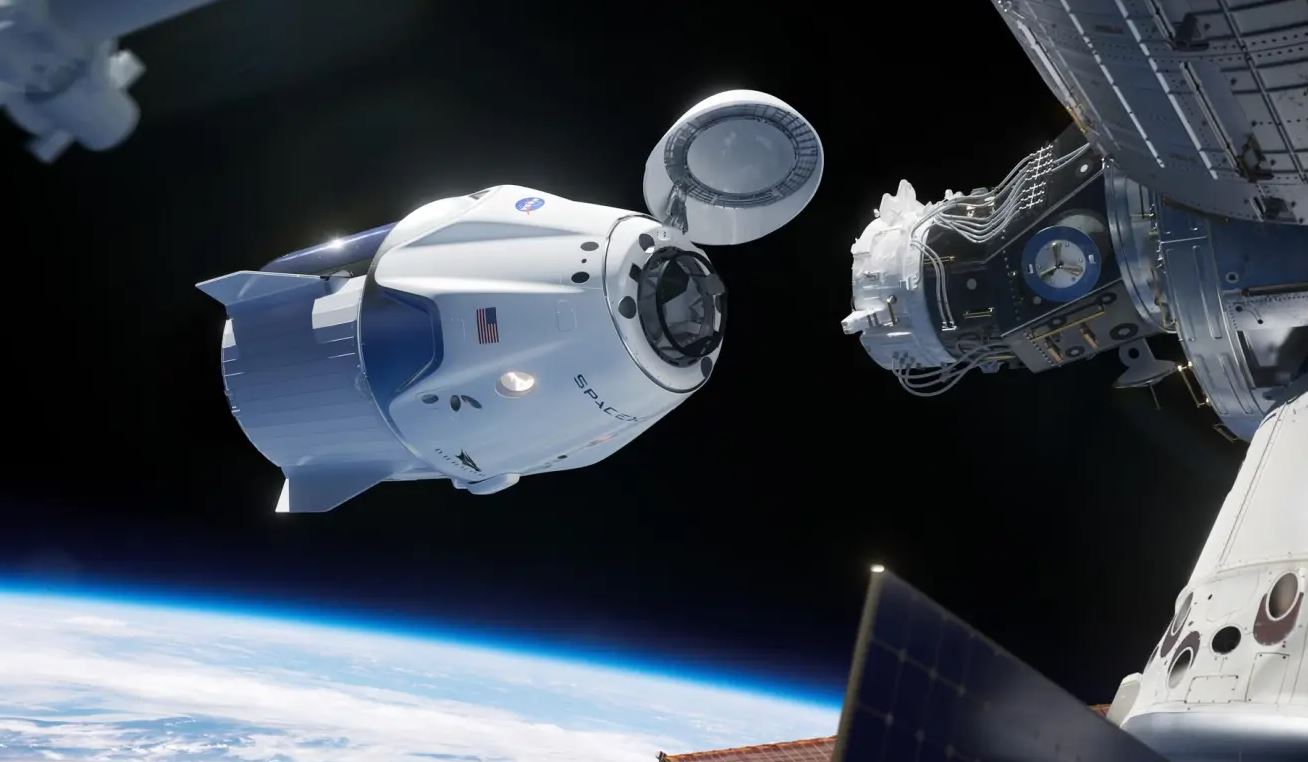
SpaceX Announced Crew Dragon Will No Longer Be Produced
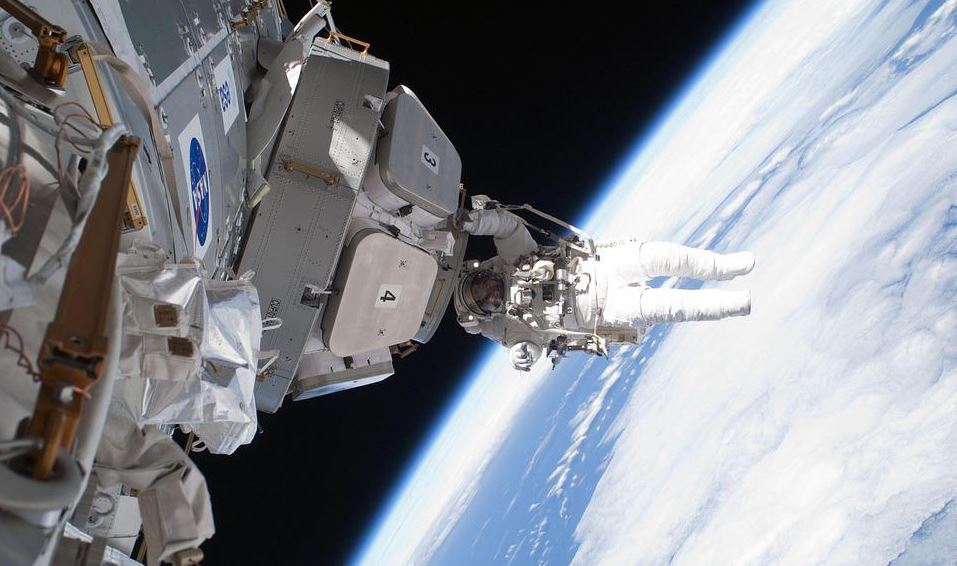
Russia Warns Sanctions on Moscow Could Endanger the ISS

A New Study Reveals How to Make Walking Easier

Remote-control cars to race on the Moon in 2021
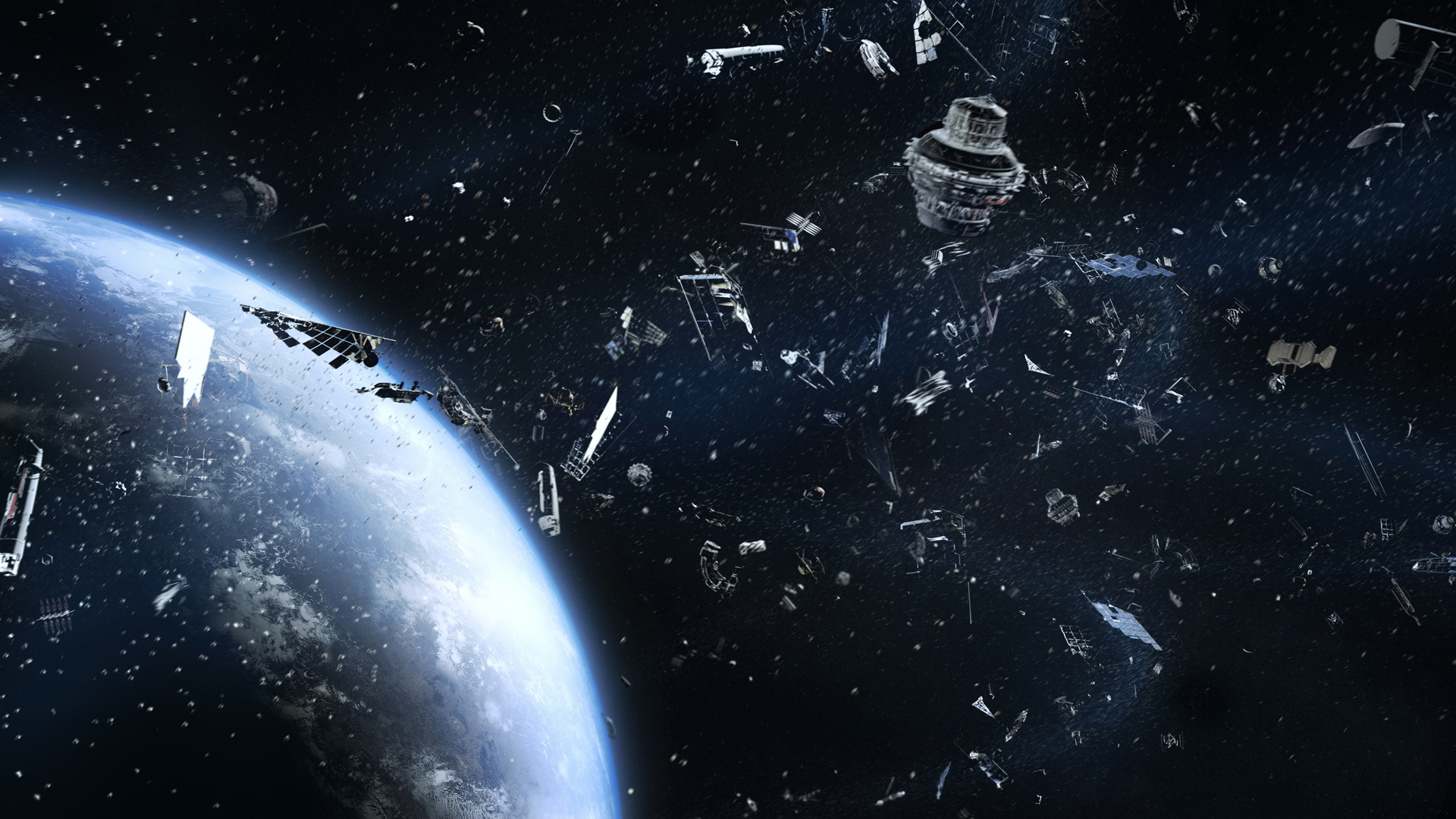
Space Debris Problem Is Getting Worse: Causes and Removal Efforts of Rambling Junk

Microplastic Pollution Detected in Human Blood for the First Time

Nvidia CEO declares coding’s end in AI era
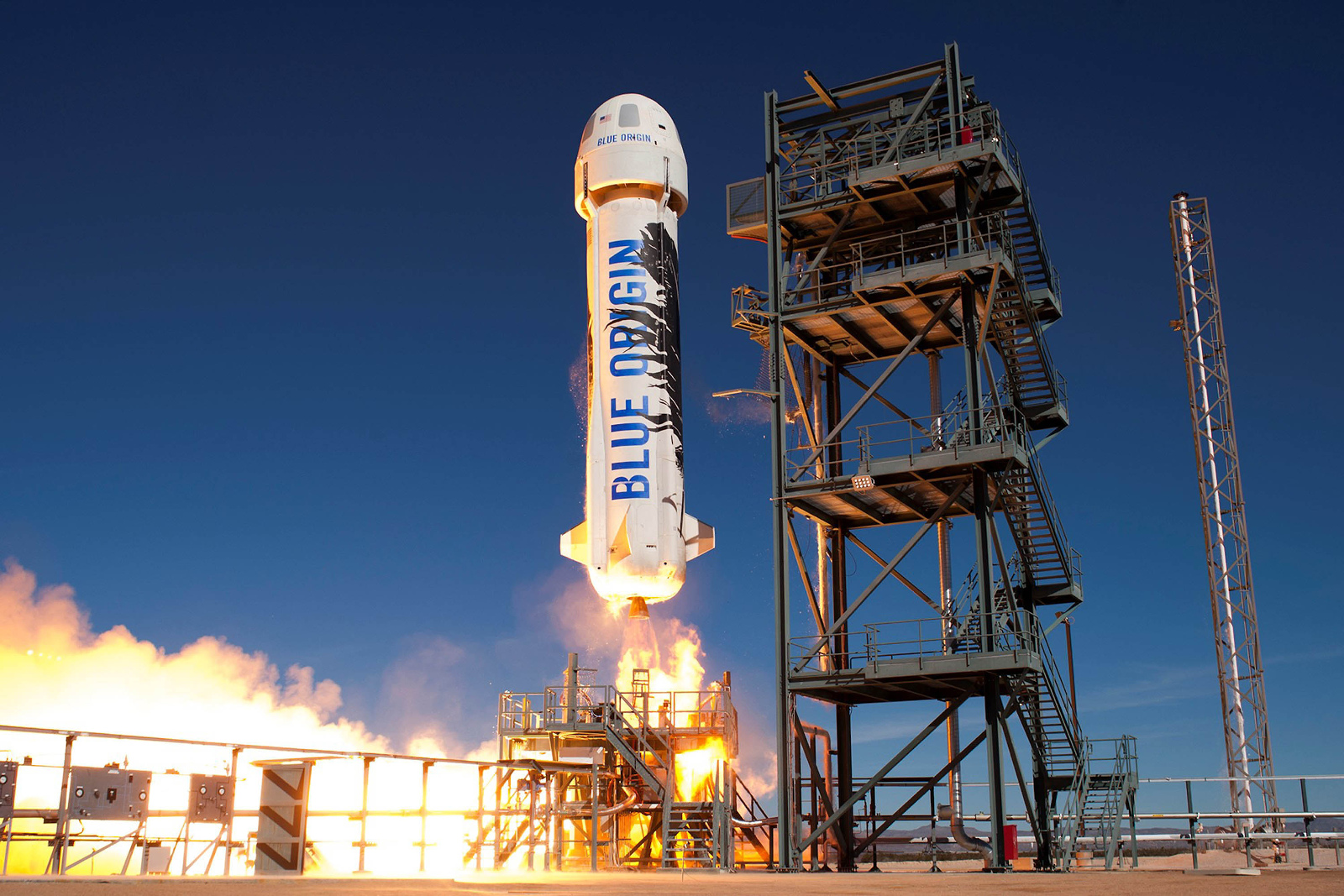
Here Is Blue Origin’s Touristic Rocket: The New Shepard Design
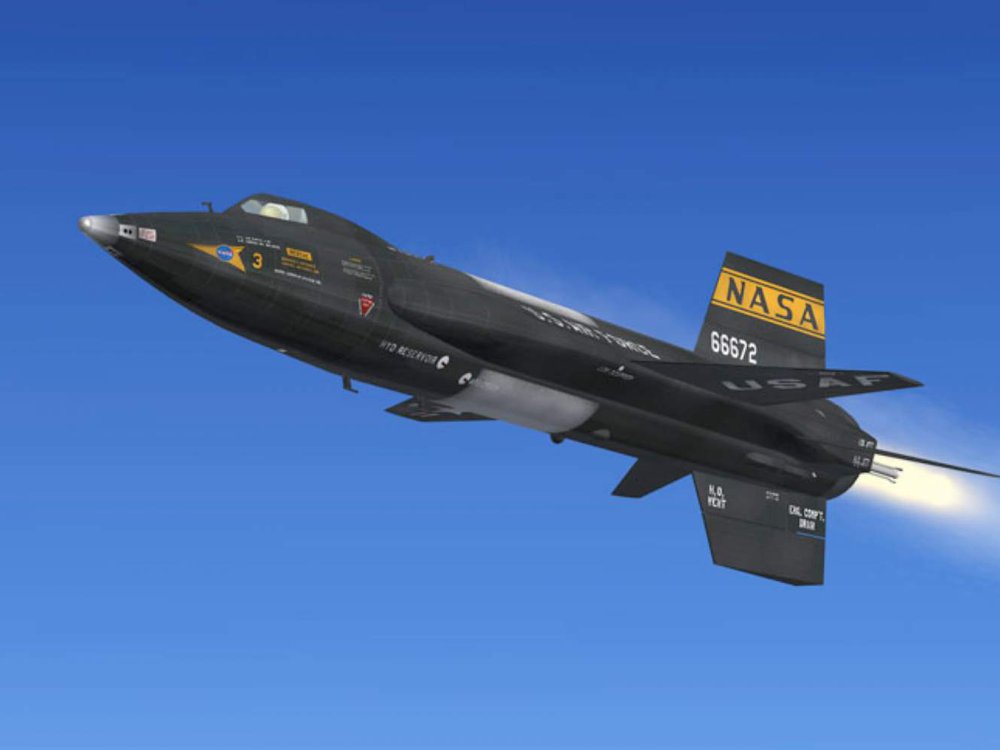
The Fastest Manned Plane in the World: Here’s The Insane Engineering of the X-15
Here Are 6 Space Technologies We Can Benefit to Improve Life on Earth
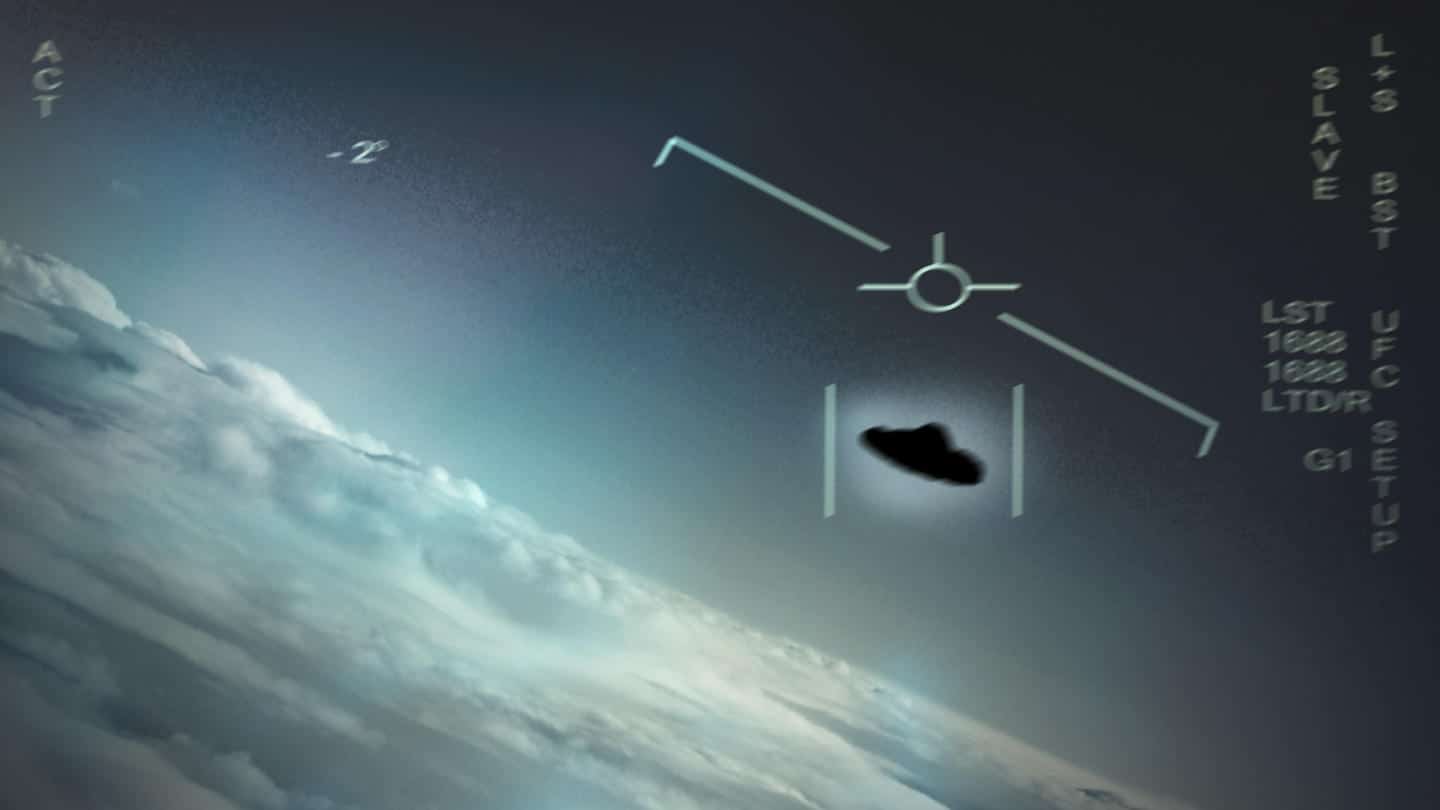
Pentagon Formed A New Group To Investigate UFO Reports
Space Debris Problem Is Getting Worse: Causes and Removal Efforts of Rambling Junk
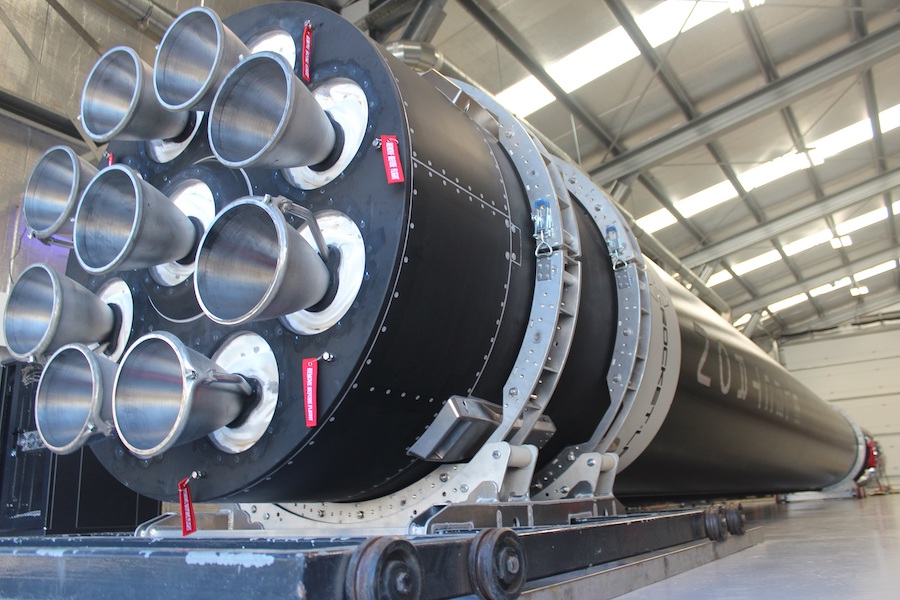
From New Zealand to the US: The Rocket Lab Story
Here Is Blue Origin’s Touristic Rocket: The New Shepard Design

Take a Look at Earth From Space: Glasgow, Scotland
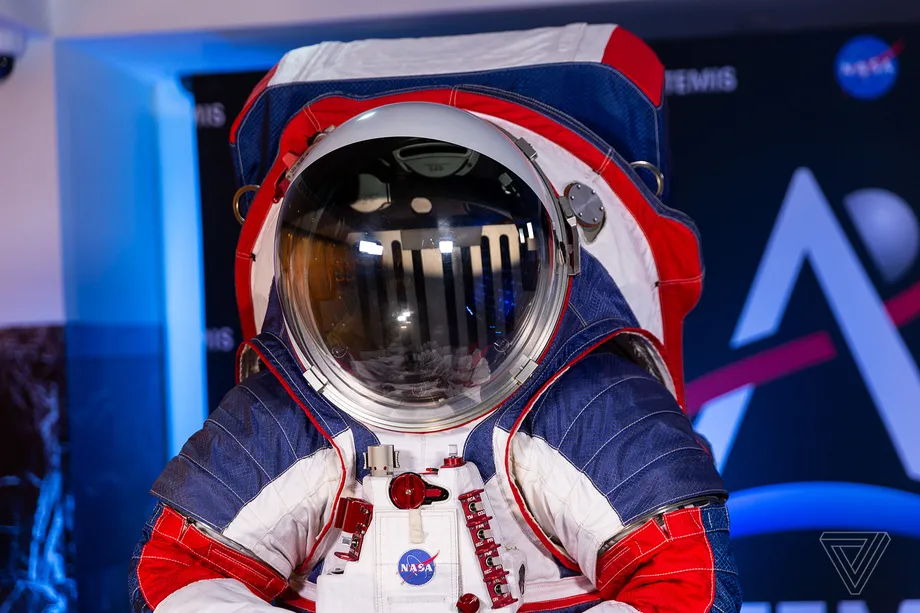
NASA Is Preparing Next Generation Spacesuits for Moon Mission and Beyond
Remote-control cars to race on the Moon in 2021
Meteorite makes Indonesian man a millionaire as piece crashes through his roof
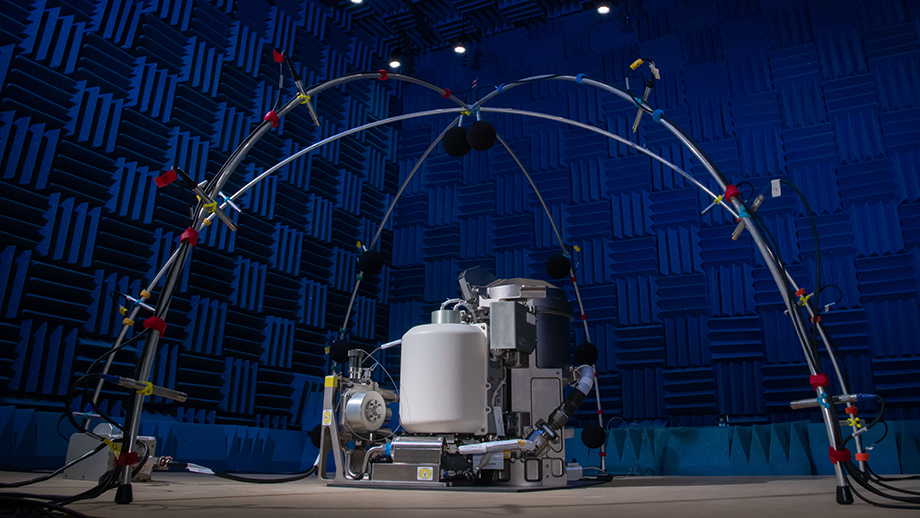
NASA sends a new Space toilet for astronauts to ISS

 Earth & Energy5 years ago
Mariana Trench: 8 Fascinating Facts About the Earth’s Deepest Place

 Space6 years ago
10 most famous scientists who contributed to astronomy and space
- Skywatching6 years ago
Top 25 extremely stunning photos of Northern Lights of 2020 revealed
- Engineering6 years ago
Meteorite makes Indonesian man a millionaire as piece crashes through his roof

 Science5 years ago
It’s Now Possible to Predict Blood Cancer With Ten-Second Videos
 Engineering5 years ago
This Inexpensive Method Speeds up Analysis of 3D Printed Metal Parts
- Infographic6 years ago
SpaceX Dragon: A Game Changer for NASA

 Earth & Energy3 years ago
Tiny fish, big boom: This small fish found to roar like a gunshot