
Space
NASA Will Return to the Moon With Two Robotic Landers This Year
Back to the Moon.


The Moon, Earth’s only natural satellite, has recently become a center of attraction for countries such as China and Russia as the two teamed up to establish a joint moon base. To not lose its throne to rivals in space, NASA is now aiming to return to the Moon with two robotic landers and tiny rovers, according to UPI.
NASA’s final mission to the Moon was Apollo 17 launched back in 1972 as part of the space agency’s Apollo program. Ever since then, no spacecraft belonging to the US has landed on the Moon. As China continues its research on the Moon with rover Yutu-2, NASA seeks to blast off new missions to conduct research and scientific experiments on the lunar surface. The space agency, in this regard, is funding nine contractors. Intuitive Machines and Astrobotic are the two of them.
“The first priority is, I hope it’s successful — that is the number one priority above all else,” said John Thornton, CEO of the Pittsburgh-based company Astrobotic, in an interview with UPI. Astrobotic named its vehicle CubeRover and has a mission to deliver space robotics technology and planetary missions to the Moon’s surface. Thornton believes CubeRover will make history as the first US mission to the lunar surface after the Apollo landing.
NASA is returning to the Moon
However, Thornton is not sure as the other company Intuitive Machines (IM) funded by NASA announced it was about to complete launch preparations of Nova-C lander.
“This was a critical step towards returning the United States to the lunar surface on our IM-1 mission this year,” said Peter McGrath, Vice President of Business Development at Intuitive Machines, in a press release. “It is also key to validating our fully commercial lunar distance communication and data relay network that supports future IM missions as well as other players in the emerging lunar economy.”
Agreements with Astrobotic and Intuitive Machines cost $79.5 million and $ 77 million, respectively. NASA plans to launch crewed missions by 2025 following an uncrewed test flight around the Moon this March or April. So NASA-supported two robotic missions will examine sites where landing is possible prior to Artemis’ manned flight.
In 2018, then NASA President Jim Bridenstine said, “We are building a domestic American capability to get back and forth to the surface of the Moon.”
NASA picked Elon Musk’s SpaceX to land the next astronauts on the Moon under the Artemis initiative.

Mariana Trench: 8 Fascinating Facts About the Earth’s Deepest Place
10 most famous scientists who contributed to astronomy and space

Top 25 extremely stunning photos of Northern Lights of 2020 revealed

Meteorite makes Indonesian man a millionaire as piece crashes through his roof

It’s Now Possible to Predict Blood Cancer With Ten-Second Videos
This Inexpensive Method Speeds up Analysis of 3D Printed Metal Parts

SpaceX Dragon: A Game Changer for NASA
Tiny fish, big boom: This small fish found to roar like a gunshot

Turkish city unveils design of Mars Colony project for tourists

Researchers Reveal the Source of the Electron Rain Phenomenon
A New Study Reveals How Climate Change Will Affect Sound Travels Underwater
Here Are 6 Space Technologies We Can Benefit to Improve Life on Earth
SpaceX Announced Crew Dragon Will No Longer Be Produced
Russia Warns Sanctions on Moscow Could Endanger the ISS
A New Study Reveals How to Make Walking Easier

Remote-control cars to race on the Moon in 2021
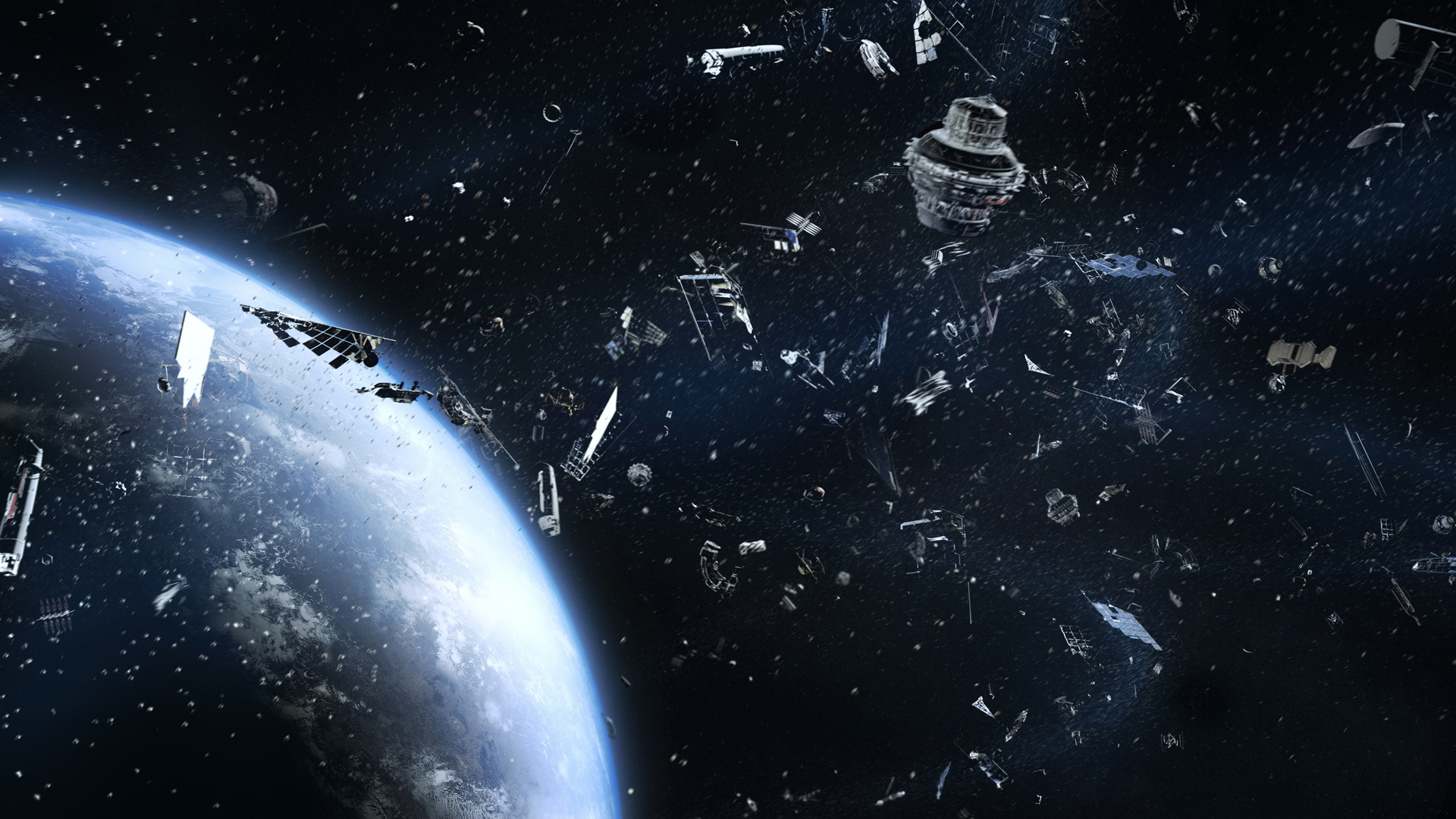
Space Debris Problem Is Getting Worse: Causes and Removal Efforts of Rambling Junk

Microplastic Pollution Detected in Human Blood for the First Time

Nvidia CEO declares coding’s end in AI era
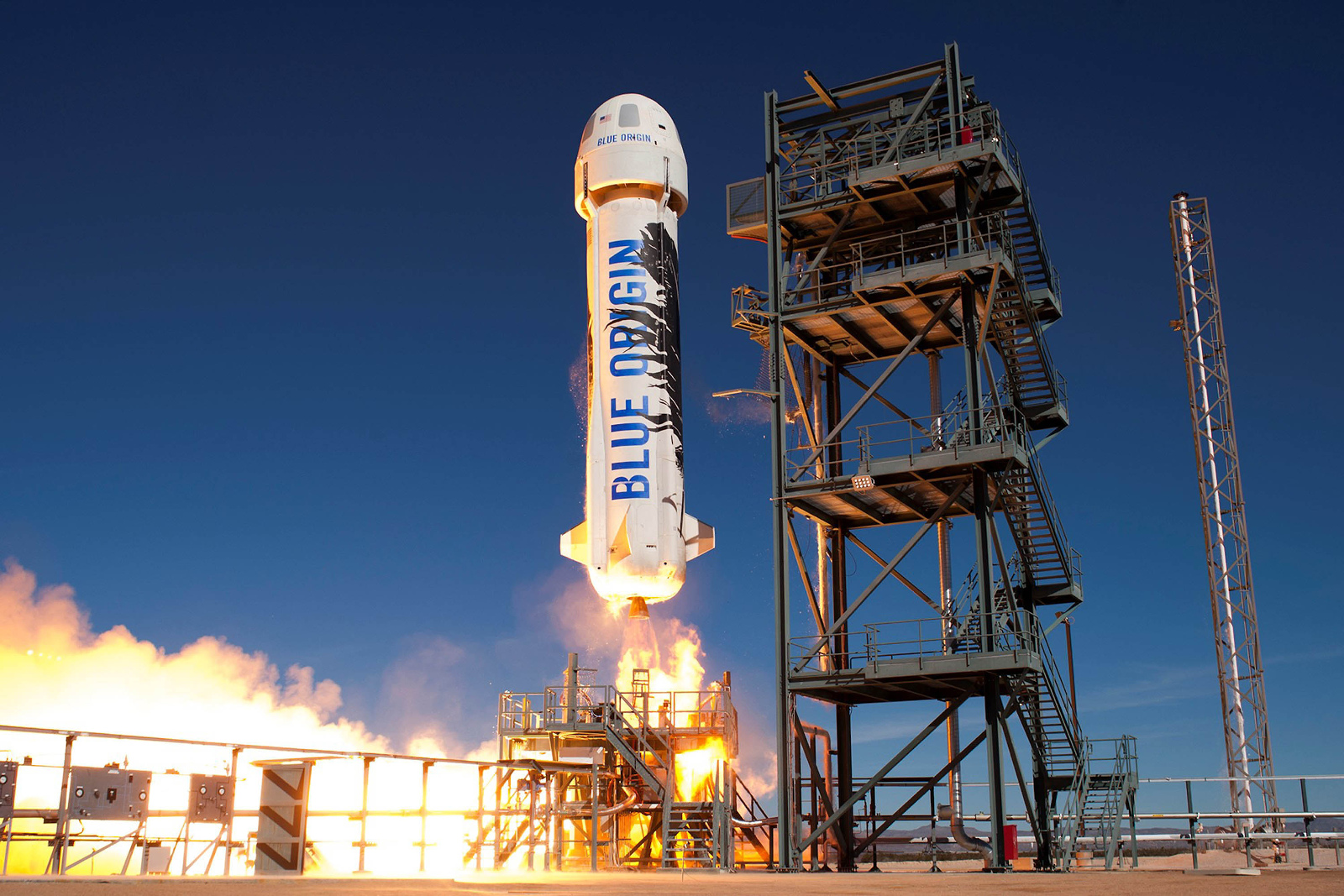
Here Is Blue Origin’s Touristic Rocket: The New Shepard Design
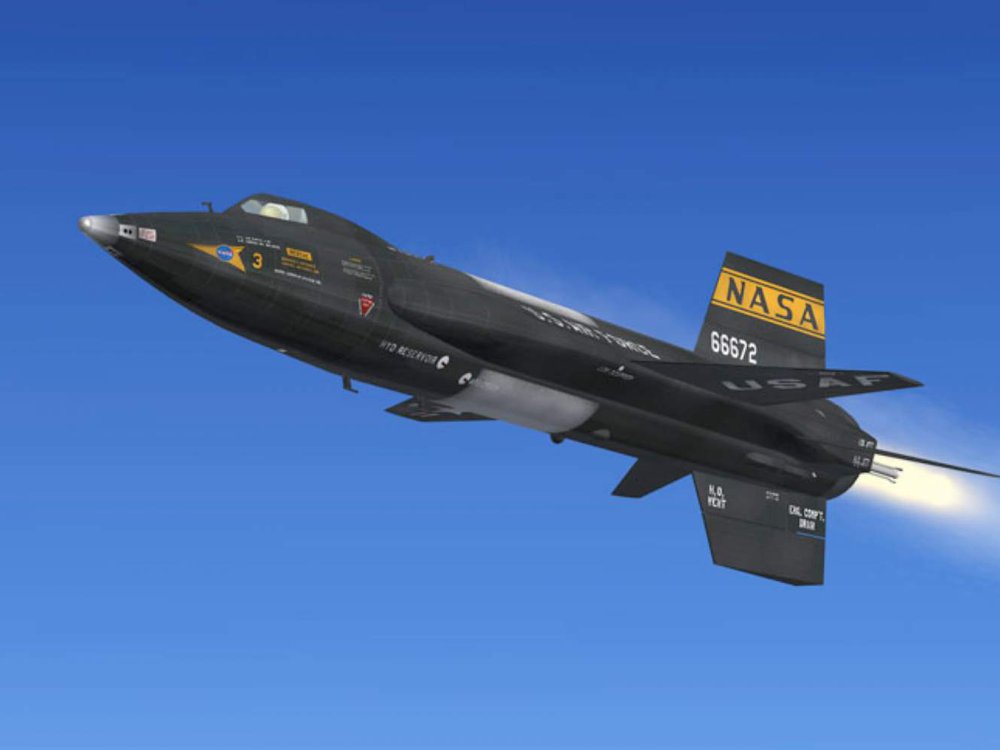
The Fastest Manned Plane in the World: Here’s The Insane Engineering of the X-15
Here Are 6 Space Technologies We Can Benefit to Improve Life on Earth
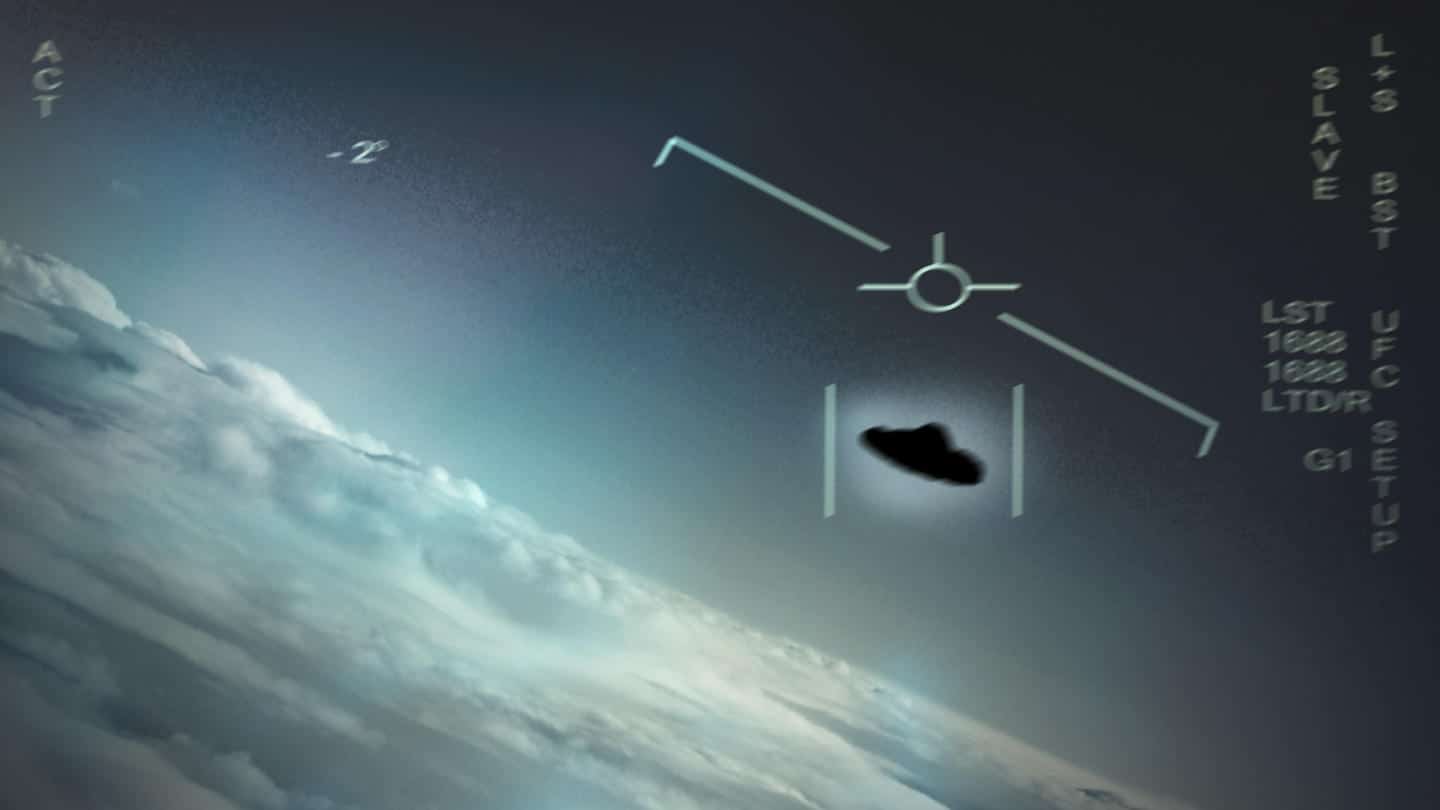
Pentagon Formed A New Group To Investigate UFO Reports
Space Debris Problem Is Getting Worse: Causes and Removal Efforts of Rambling Junk
From New Zealand to the US: The Rocket Lab Story
Here Is Blue Origin’s Touristic Rocket: The New Shepard Design
Take a Look at Earth From Space: Glasgow, Scotland
NASA Is Preparing Next Generation Spacesuits for Moon Mission and Beyond
Remote-control cars to race on the Moon in 2021
Meteorite makes Indonesian man a millionaire as piece crashes through his roof
NASA sends a new Space toilet for astronauts to ISS

 Earth & Energy5 years ago
Mariana Trench: 8 Fascinating Facts About the Earth’s Deepest Place

 Space6 years ago
10 most famous scientists who contributed to astronomy and space
- Skywatching6 years ago
Top 25 extremely stunning photos of Northern Lights of 2020 revealed
- Engineering6 years ago
Meteorite makes Indonesian man a millionaire as piece crashes through his roof

 Science5 years ago
It’s Now Possible to Predict Blood Cancer With Ten-Second Videos
 Engineering5 years ago
This Inexpensive Method Speeds up Analysis of 3D Printed Metal Parts
- Infographic6 years ago
SpaceX Dragon: A Game Changer for NASA

 Earth & Energy3 years ago
Tiny fish, big boom: This small fish found to roar like a gunshot